
Make the most of your time in Ko Samet Subscribe
IAudioGuia iaudioguia
Audio Guides of Ko Samet

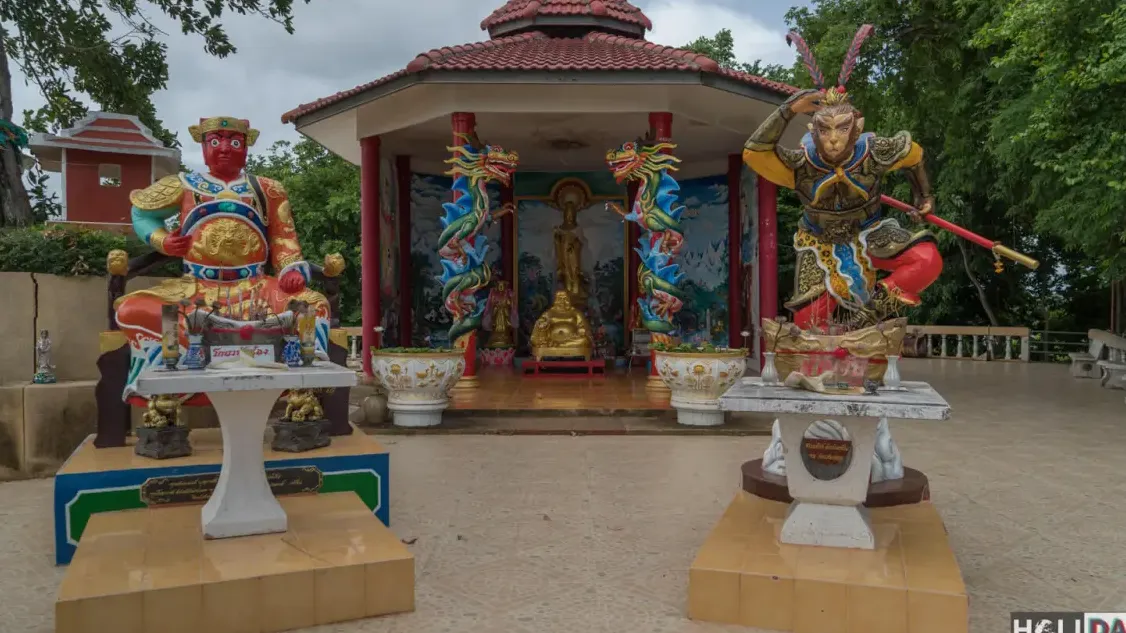
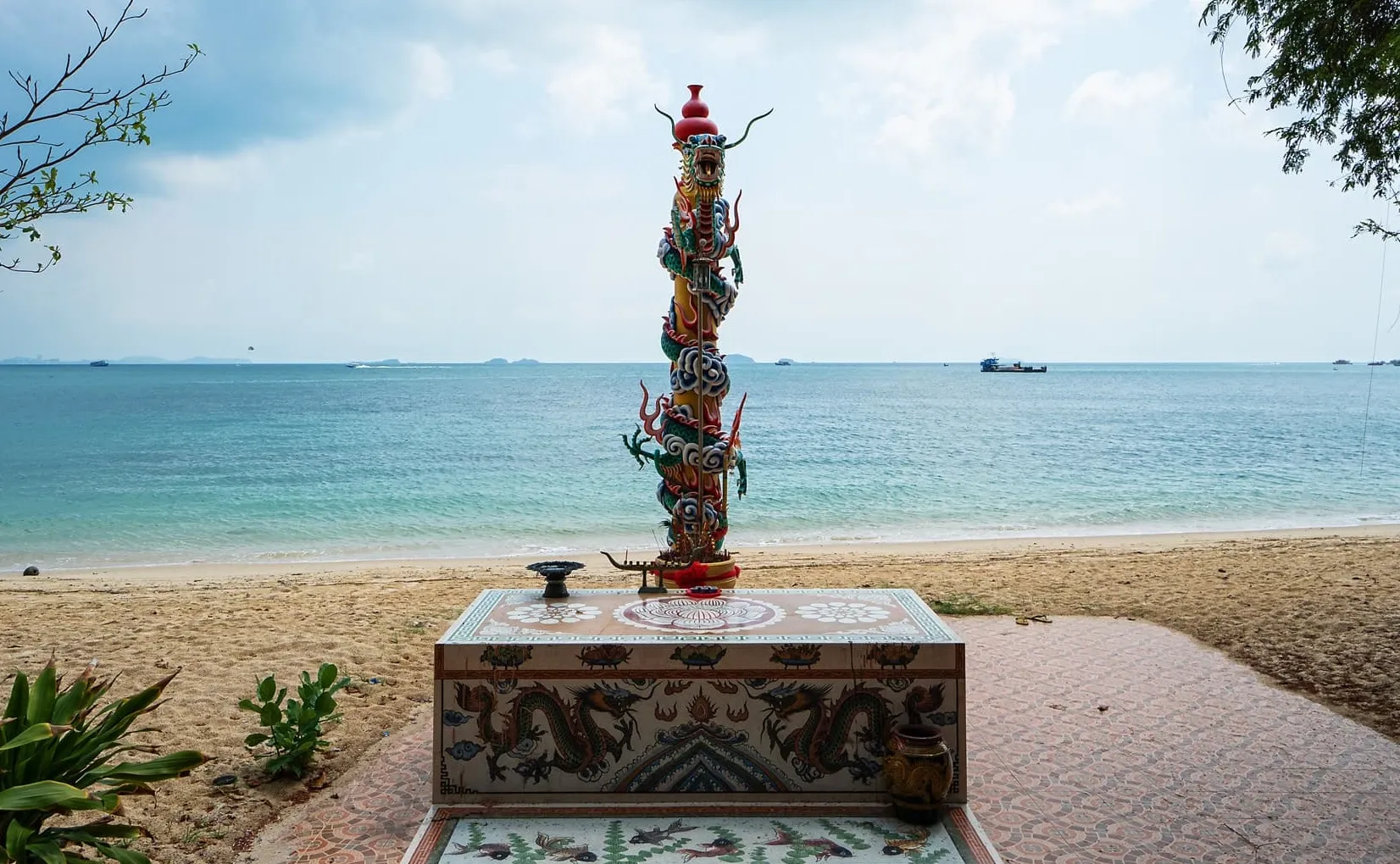
Audio Guide of Ko Samet Chinese Shrine

A Chinese oasis on a Thai island where bells awaken forgotten wishes and the sea keeps the secrets of intrepid fishermen.

✓ What guidebooks don't tell you
✓ Secrets other tourists miss
✓ Listen while you explore
Discover everything
00:00
00:00
Rate this audio guide

📖 Audio Guide Chapters

6 chapters

1. The Bell That Calmed the Fury of the Sea

🔒 Premium Content

Subscribe to access all chapters of this audio guide.

2. Walls That Whisper of Sleeping Dragons

🔒 Premium Content

Subscribe to access all chapters of this audio guide.

3. Salty Loves and Betrayals on the High Seas

🔒 Premium Content

Subscribe to access all chapters of this audio guide.

4. Whispers You Won't Find in the Guidebooks

🔒 Premium Content

Subscribe to access all chapters of this audio guide.

5. The All-Seeing Eyes of the Goddess

🔒 Premium Content

Subscribe to access all chapters of this audio guide.

6. The Echo That Carries the Soul Away

🔒 Premium Content

Subscribe to access all chapters of this audio guide.

❓ Frequently Asked Questions

What are the opening hours of the Ko Samet Chinese Shrine and how can I get there?

The shrine is open daily from 6:00 AM to 6:00 PM. To get there, take a ferry from Ban Phe Pier in Rayong to Ko Samet (about 30–45 minutes); once on the island, you can rent a motorbike or take a songthaew taxi to reach the shrine in the northern area. More ferry details at Ko Samet Travel.

How much does entry to the Ko Samet Chinese Shrine cost? Is it free?

Admission is free, although donations for maintenance are appreciated. Keep in mind that there is an entrance fee to Ko Samet National Park (around 200 baht for foreigners), since the shrine is within the protected area. Check updated prices at Tourism Authority of Thailand.

How much time is needed to visit the Ko Samet Chinese Shrine?

It is recommended to allow 1 to 2 hours to explore the shrine, including time to admire the statues and the serene atmosphere. If you combine it with a nearby walk, it could take up half a morning. It is a perfect place for a relaxed visit without rushing.

What is the history or cultural significance of the Ko Samet Chinese Shrine?

This shrine is a temple dedicated to Chinese deities such as Guanyin, built in the 19th century by the Chinese immigrant community in Thailand, reflecting the Chinese-Thai cultural fusion. It represents a divine and spiritual link, attracting devotees for its peace and blessings. Its colorful architecture and altars are a testament to the island's Chinese heritage.

What is the best time of year or time of day to visit the Ko Samet Chinese Shrine?

The best season is during the dry months, from November to February, when the weather is sunny and less humid. Visit early in the morning (around 8:00 AM) to avoid the heat and enjoy fewer tourists; afternoons can be hotter but are ideal for sunset photos.

Is the Ko Samet Chinese Shrine accessible for people with reduced mobility?

The main access is via paved paths, but there are some stairs and uneven ground toward the upper altars, which may be challenging for wheelchairs. It is recommended to contact the national park for assistance; it is not fully accessible, but the main areas are manageable with help. For more information, see the Department of National Parks of Thailand.

What other attractions are near the Ko Samet Chinese Shrine?

Nearby you will find the beautiful beaches of Ao Prao and Ao Nuan, ideal for swimming, and the Laem Ya viewpoint in Mu Ko Samet National Park. You can also visit the Ko Samet lighthouse about 15 minutes away by motorbike. Explore the whole island for a complete experience; maps at Thailand Tourism News.

What are some practical tips for visiting the Ko Samet Chinese Shrine?

Wear modest clothing that covers your shoulders and knees out of respect, and bring insect repellent and water, as the climate is tropical. If you are traveling with children, watch them on the stairs; consider joining a guided meditation if one is available. Arrive early to avoid crowds and respect the offerings on the altars for a more meaningful spiritual experience.

¿Prefieres escuchar en español?

🇪🇸 Escucha la audioguía de Ko Samet Chinese Shrine en español