No te vayas sin conocer la historia Suscribete
IAudioGuia iaudioguia
Audio Guides of Kanchanaburi

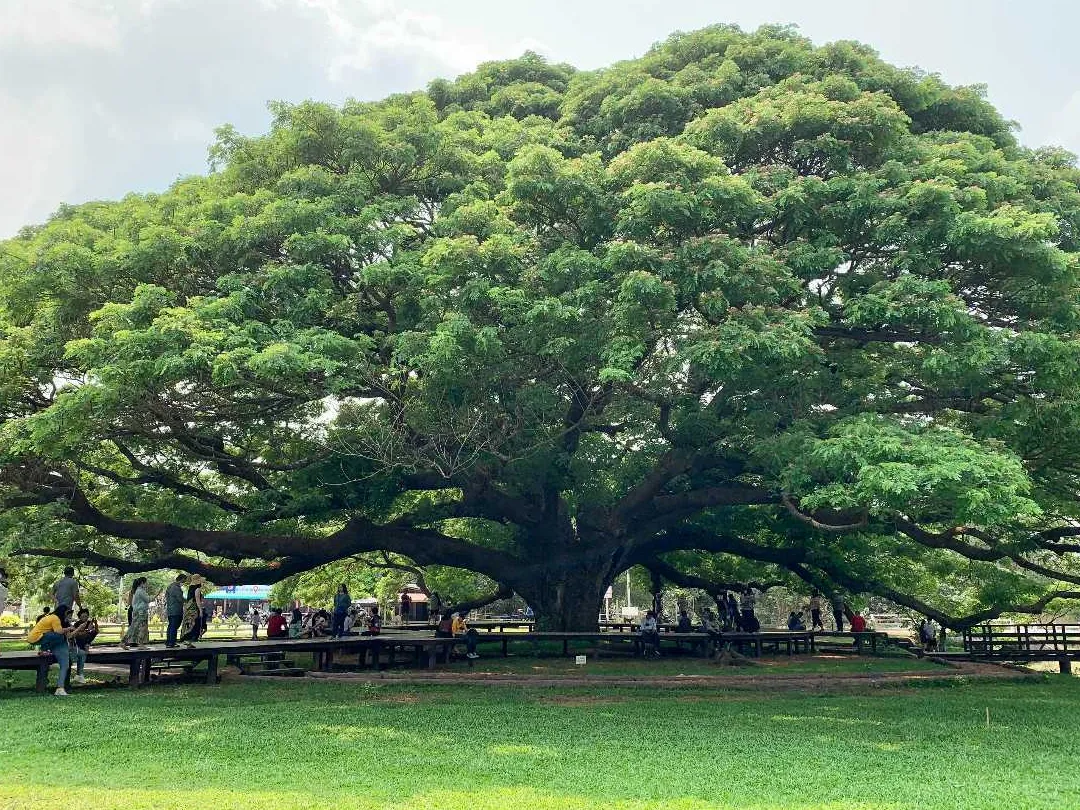
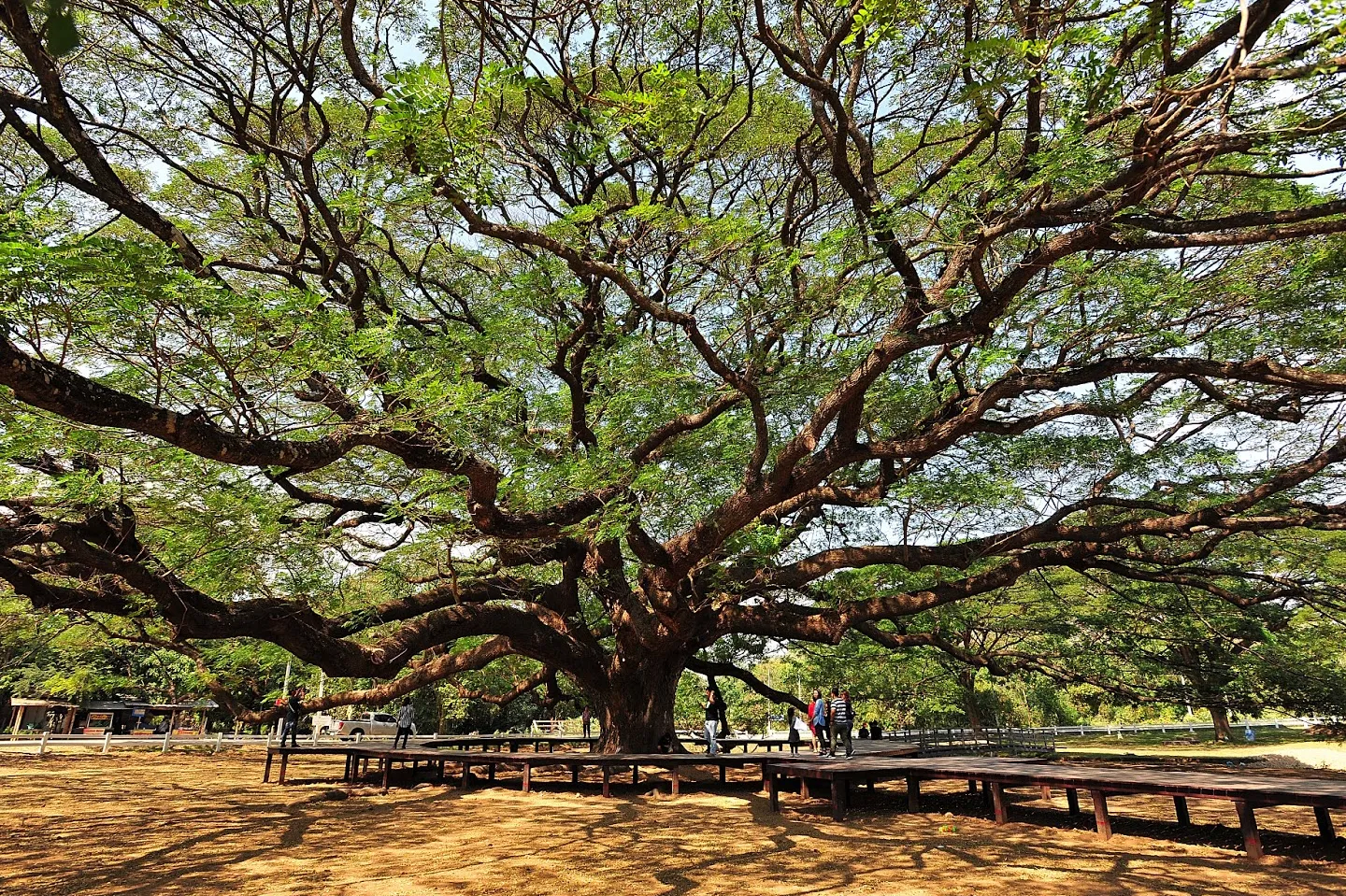
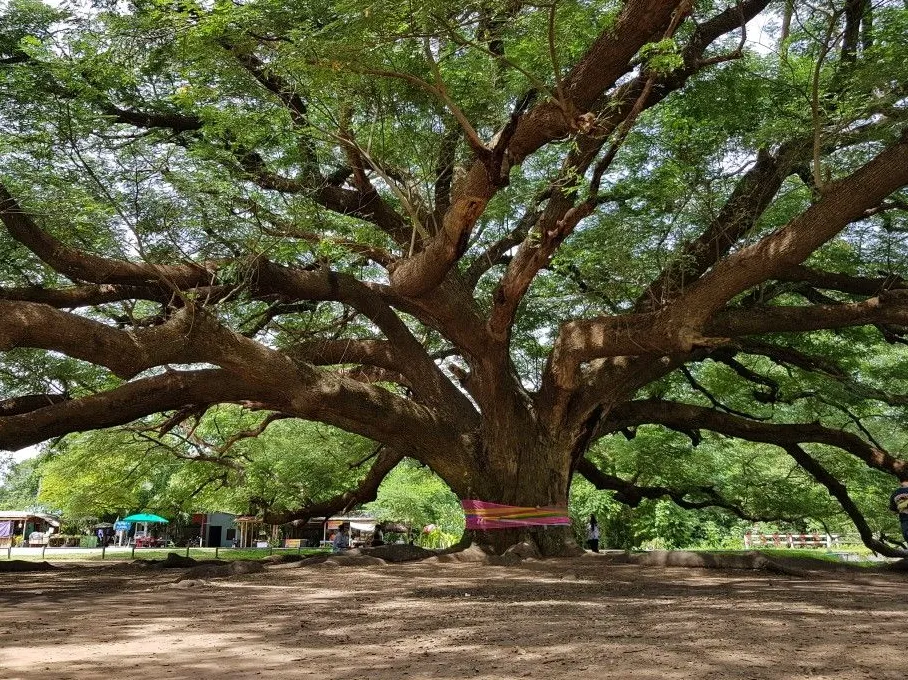
Audio Guide of the Giant Rain Tree of Kanchanaburi

Discover the Giant Rain Tree in Kanchanaburi. A unique experience to explore its history and meaning.

✓ What guidebooks don't tell you
✓ Secrets other tourists miss
✓ Listen while you explore
Discover everything
00:00
00:00
Rate this audio guide

📖 Audio Guide Chapters

6 chapters

1. The Silent Survivor of the River Kwai

🔒 Premium Content

Subscribe to access all chapters of this audio guide.

2. The Ecosystem Hidden by a Giant

🔒 Premium Content

Subscribe to access all chapters of this audio guide.

3. The Tree That Survived Three Forbidden Loves

🔒 Premium Content

Subscribe to access all chapters of this audio guide.

4. The Myth of the Selfish Tree

🔒 Premium Content

Subscribe to access all chapters of this audio guide.

5. The Seven Marks That Tell a Century's Story

🔒 Premium Content

Subscribe to access all chapters of this audio guide.

6. Take a Fragment of Time with You

🔒 Premium Content

Subscribe to access all chapters of this audio guide.

❓ Frequently Asked Questions

How do I get to the Giant Rain Tree of Kanchanaburi, and what are its opening hours?

The tree is located in the Huay Nam Khun Nature Sanctuary park, in Sai Yok District. It is open every day from 8:00 AM to 5:00 PM. You can get there by car or book a local tour from Kanchanaburi; for easier navigation, check the location on Google Maps.

How much is the entrance fee to Huay Nam Khun Nature Sanctuary?

The entrance fee is very affordable: only 10 baht for adults (approx. USD 0.30) and 5 baht for children. Payment is made at the park entrance ticket booth. Bring cash, as it is a small nature reserve and cards may not always be accepted.

How much time is recommended for visiting the Giant Rain Tree?

To enjoy it fully, plan for 1 to 2 hours. That gives you time to admire the tree, walk along the park trails, and take photos. If you plan to explore more trails or have a picnic, you can extend your visit to 3 hours.

What does the Giant Rain Tree mean in Thai culture?

The Giant Rain Tree (Bombax ceiba) is an icon of Thailand’s nature and biodiversity, blooming spectacularly with intense red flowers at the beginning of the dry season (February-March). It symbolizes the beauty and resilience of Thai wildlife. You can learn more about its ecological importance on sites such as Tourism Thailand.

What is the best time to visit the Giant Rain Tree?

The best time is from late January to mid-March, when the tree is in full bloom and covered with red flowers. To avoid the heat and crowds, visit early in the morning (8:00-10:00 AM). The rainy season (May-October) makes the area greener, but there may be fewer flowers.

Is access to the Giant Rain Tree suitable for people with reduced mobility?

Access is moderate: the main tree is visible from the park road, but the nearby trails may be uneven and have gentle slopes. There are no complex stairs near the tree, but I recommend wearing comfortable footwear and considering a folding wheelchair for the flat section. For detailed accessibility information, contact the park directly.

What other attractions are near the Giant Rain Tree in Kanchanaburi?

It is located in the Huay Nam Khun Nature Reserve, ideal for birdwatching and hiking. Nearby, you can visit Sai Yok National Park (with waterfalls and caves) or the historic Bridge over the River Kwai in Kanchanaburi. Another nearby spot is the Elephant Sanctuary, perfect for ethical experiences. Check routes at Tourism Thailand Kanchanaburi.

What practical tips do you have for visiting the Giant Rain Tree?

Bring insect repellent, water, and sun protection, as this is a tropical area. Wear light, comfortable clothing for walking; avoid touching the flowers to help preserve them. Check the weather before you go and bring cash for the entrance fee. If you travel during the rainy season, bring a light rain jacket.

¿Prefieres escuchar en español?

🇪🇸 Escucha la audioguía de the Giant Rain Tree of Kanchanaburi en español