No te vayas sin conocer la historia Suscribete
IAudioGuia iaudioguia
Audio Guides of Ayutthaya

Audio Guide of Wat Phananchoeng Worawihan

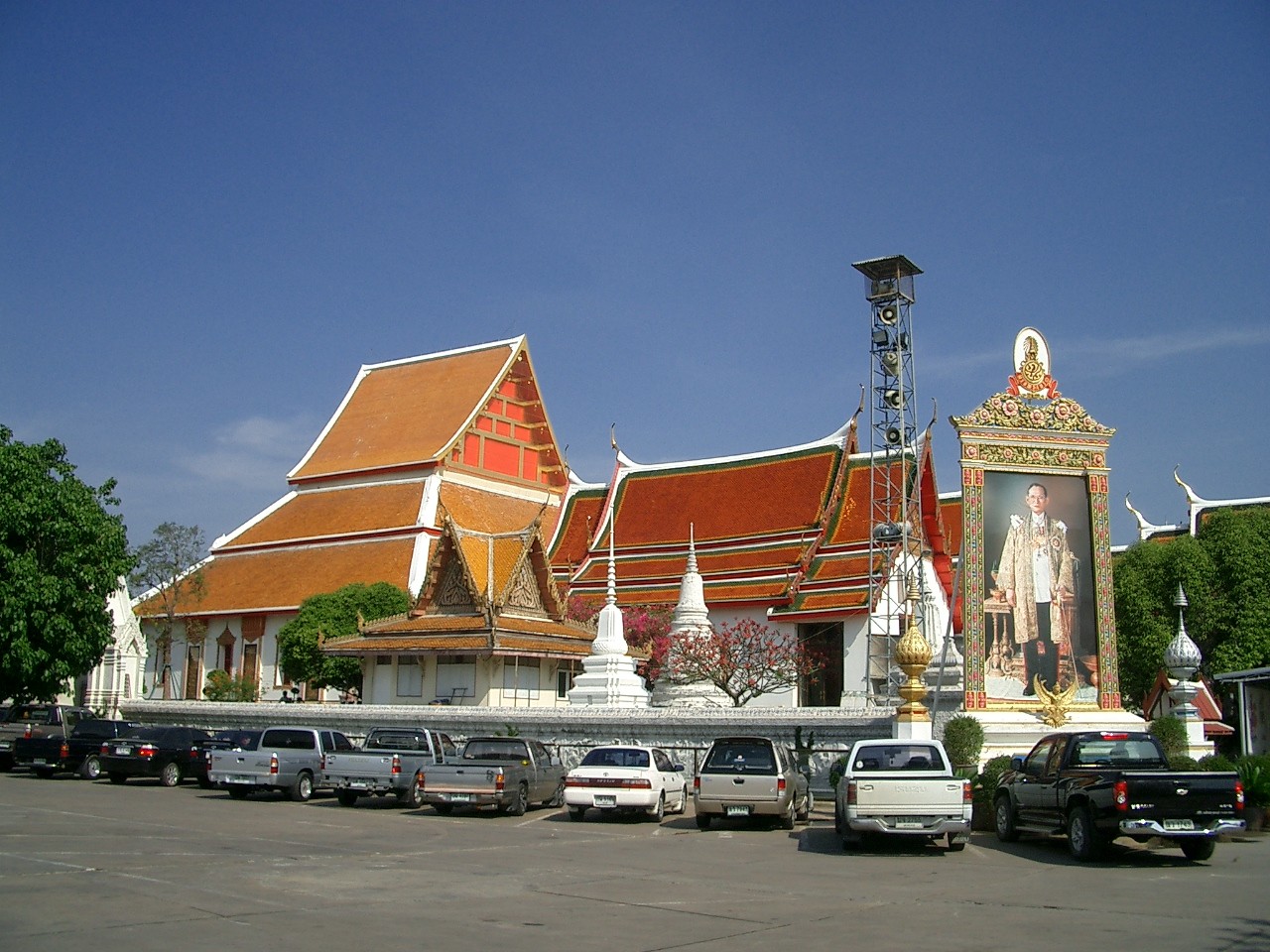
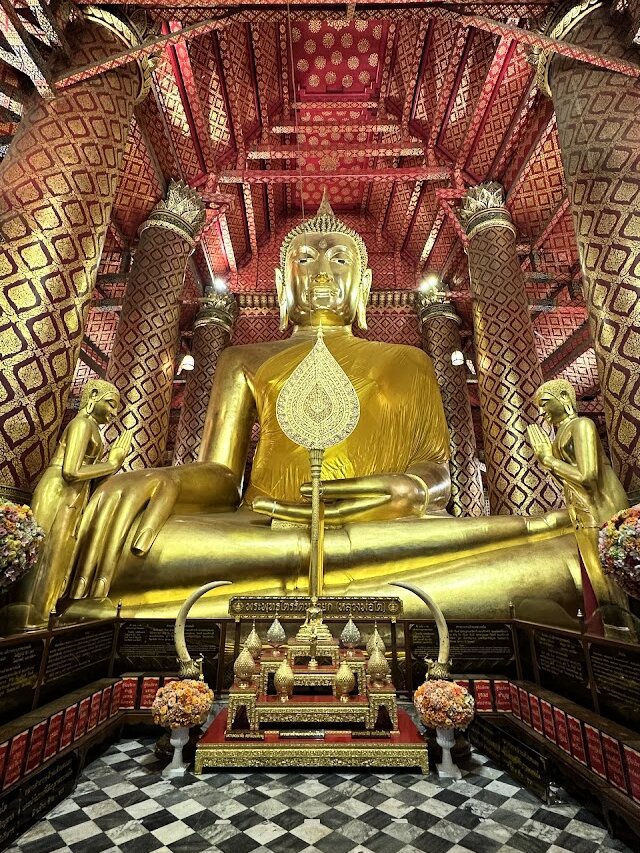
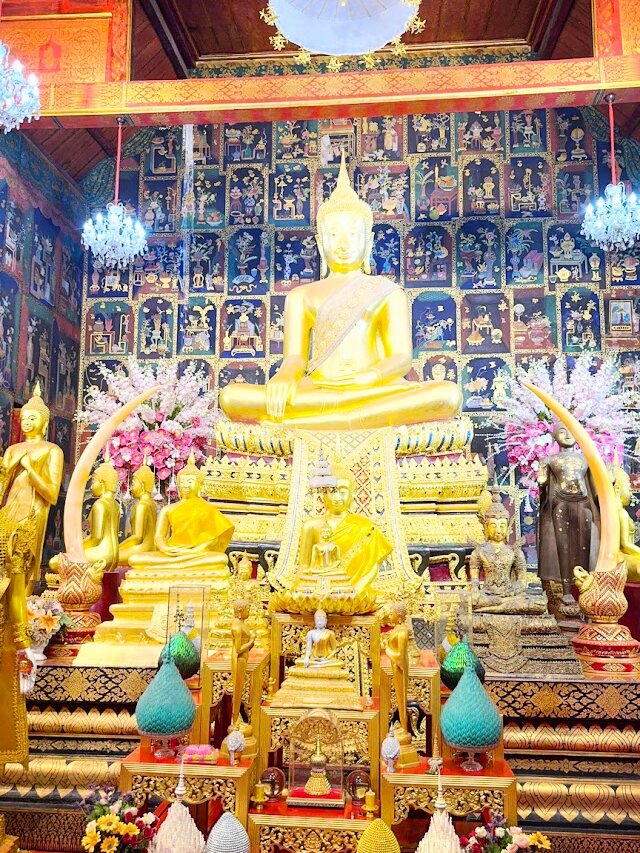
An ancient Buddhist temple in Ayutthaya, Thailand, famous for its imposing seated Buddha and rich history that predates the city itself.

✓ What guidebooks don't tell you
✓ Secrets other tourists miss
✓ Listen while you explore
Discover everything
00:00
00:00

📖 Audio Guide Chapters

6 chapters

1. Introduction and Pre-Ayutthaya History

🔒 Premium Content

Subscribe to access all chapters of this audio guide.

2. The Imposing Presence of Luang Pho Tho Buddha

🔒 Premium Content

Subscribe to access all chapters of this audio guide.

3. Architecture and Buddhist Symbolism

🔒 Premium Content

Subscribe to access all chapters of this audio guide.

4. Royal Figures and Their Legacy

🔒 Premium Content

Subscribe to access all chapters of this audio guide.

5. Legends of a Weeping Buddha and River Offerings

🔒 Premium Content

Subscribe to access all chapters of this audio guide.

6. Cultural Importance and Enduring Legacy

🔒 Premium Content

Subscribe to access all chapters of this audio guide.

❓ Frequently Asked Questions

What time does Wat Phananchoeng Worawihan open, and how can I get there?

Wat Phananchoeng Worawihan is generally open from 8:00 AM to 5:00 PM every day. We recommend checking the latest opening hours before your visit on the official website, if available. To get there, you can take a tuk-tuk or a boat from central Ayutthaya, as it is located on the riverbank.

Do I need to pay an entrance fee to visit Wat Phananchoeng Worawihan? How much does it cost?

Yes, there is a small entrance fee for foreign visitors, usually around 20 THB (Thai baht). Keep in mind that prices may vary, so it is a good idea to bring some cash. Young children often enter free of charge.

How much time should I plan for my visit to Wat Phananchoeng Worawihan to see it properly without rushing?

To fully enjoy the temple and its atmosphere, we recommend setting aside between 1 and 2 hours. This will give you enough time to admire the large Buddha statue, explore the surroundings, and take some photographs.

What makes Wat Phananchoeng Worawihan so special or historically important?

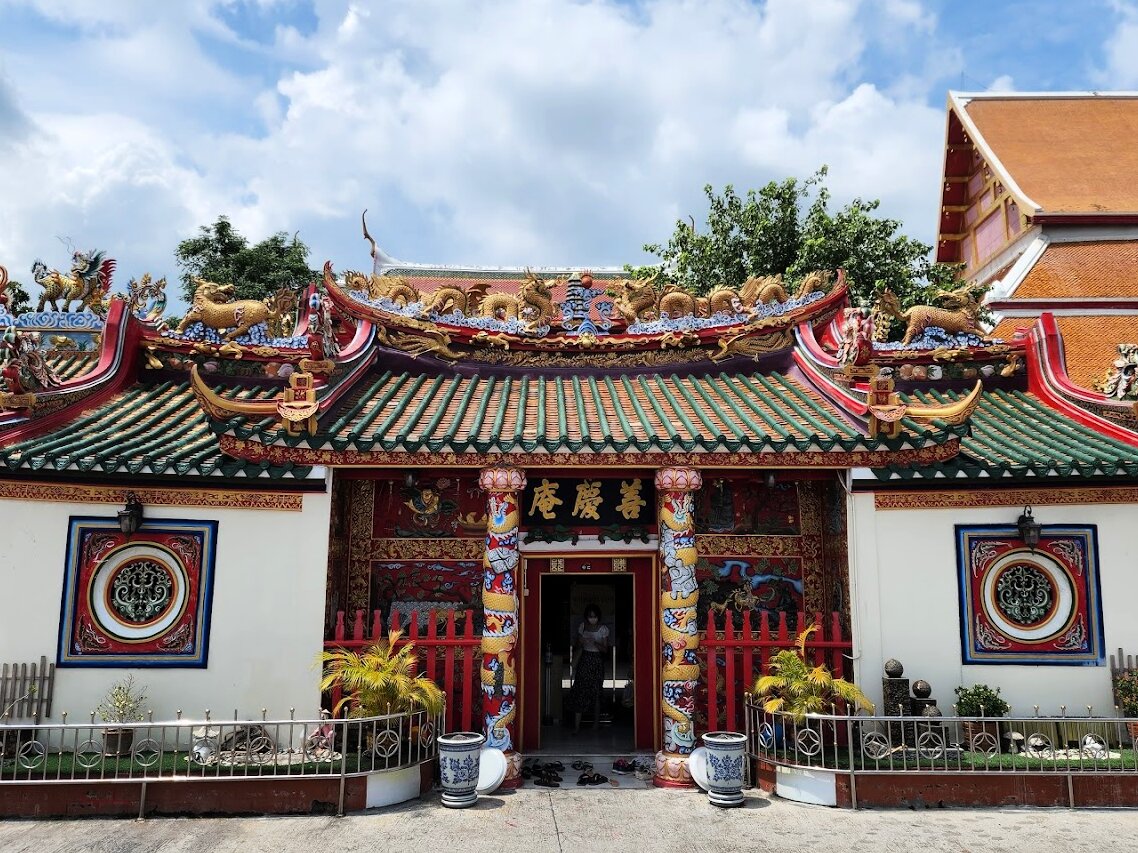
Wat Phananchoeng is special because of its great age, predating the founding of Ayutthaya, and because it is home to one of Thailand’s largest and most revered seated Buddha statues, Phra Phuttha Trai Rattana Nayok, also known as Luang Pho To. It is a spiritual center of great importance for both Thai and Chinese communities.

What is the best time of day or year to visit Wat Phananchoeng Worawihan and avoid large crowds?

The best time to visit is early in the morning, just after opening, or late in the afternoon to avoid the busiest hours and the intense heat. The dry season, from November to February, is ideal for the weather, but it is also peak tourist season.

Is Wat Phananchoeng Worawihan accessible for people using wheelchairs or with reduced mobility?

Unfortunately, wheelchair accessibility may be limited in some areas of the temple due to steps and uneven ground. While some areas are flat, access to the main hall with the large Buddha statue may require climbing a few steps. It is recommended to plan ahead and arrange assistance if needed.

Are there other interesting attractions near Wat Phananchoeng Worawihan that I can visit on the same day?

Yes, absolutely! Since you are in Ayutthaya, you are surrounded by history. Nearby you can visit the Wat Yai Chai Mongkhon and Wat Mahathat, both impressive archaeological treasures and easily accessible from Wat Phananchoeng.

What tips would you give me to make the most of my visit to Wat Phananchoeng Worawihan?

We recommend wearing respectful clothing with shoulders and knees covered, removing your shoes before entering the main hall, and bringing water to stay hydrated. Always observe and respect local customs. And do not forget your camera to capture the majesty of this place!

¿Prefieres escuchar en español?

🇪🇸 Escucha la audioguía de Wat Phananchoeng Worawihan en español