
No te vayas sin conocer la historia Suscribete
IAudioGuia iaudioguia
Audio Guides of Ko Samui

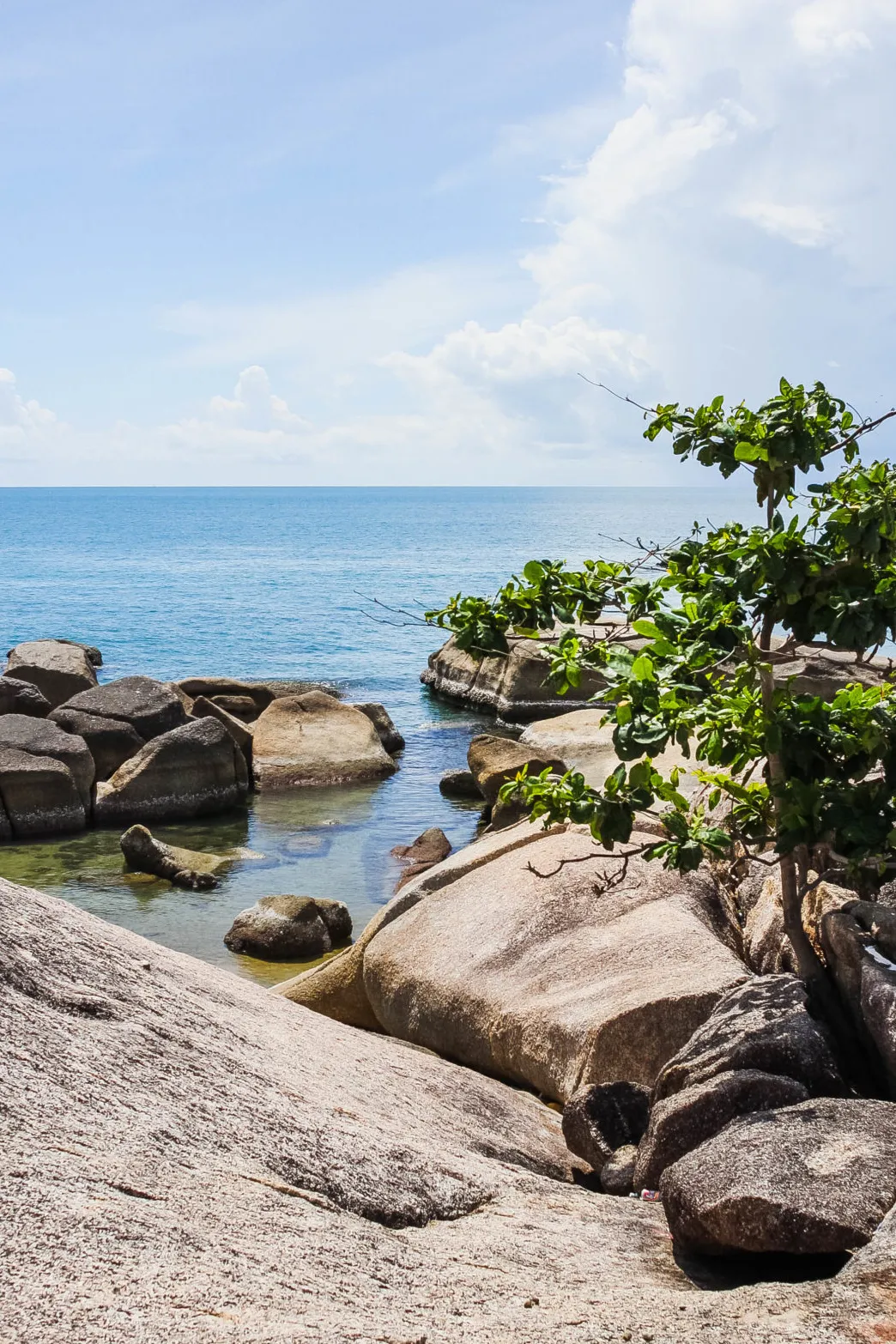
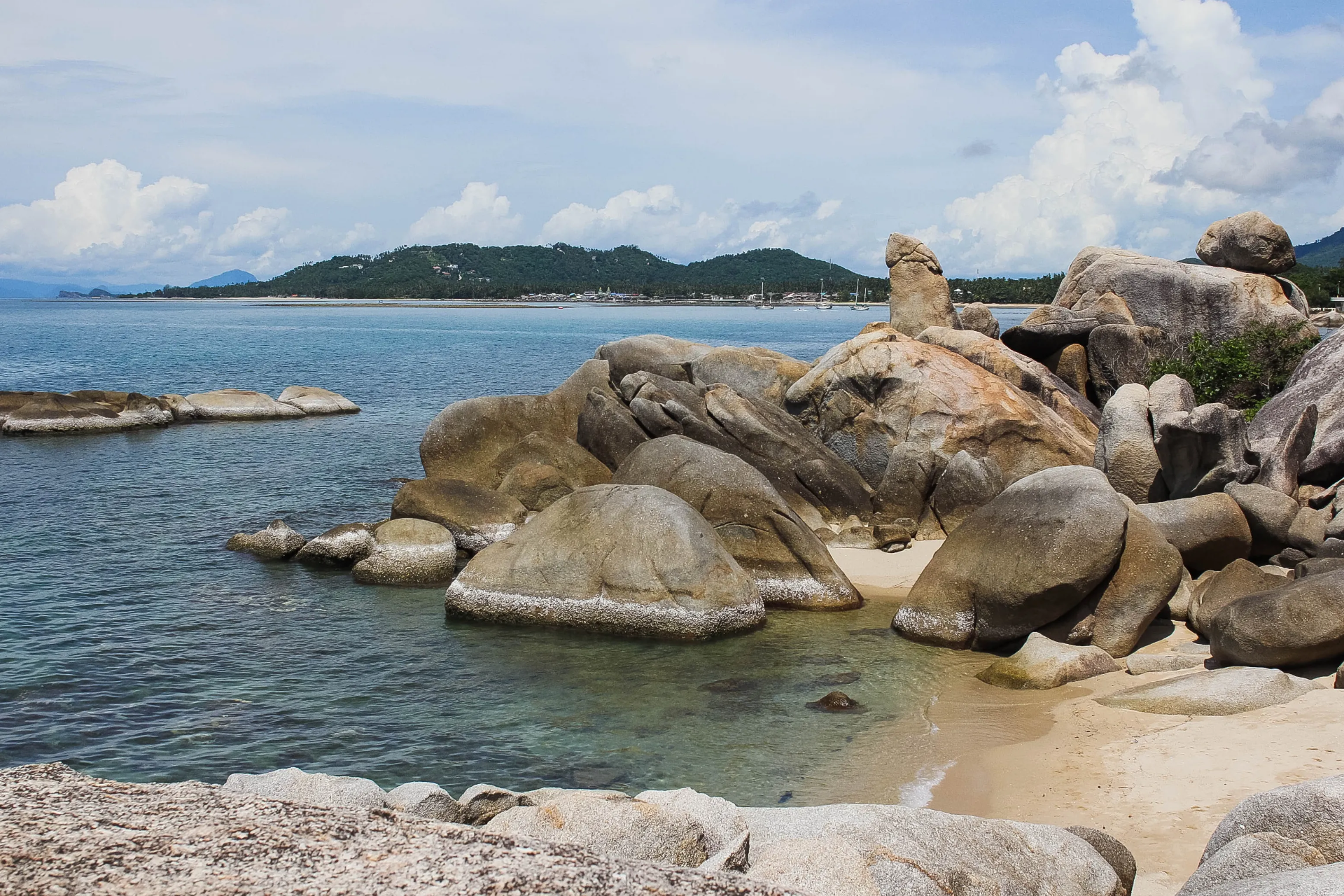
Audio Guide of Grandfather and Grandmother Rocks

Dos formaciones rocosas que guardan secretos de amor, fertilidad y más de una carcajada turística

✓ What guidebooks don't tell you
✓ Secrets other tourists miss
✓ Listen while you explore
Discover everything
00:00
00:00

📖 Audio Guide Chapters

6 chapters

1. When Thailand tried to censor these rocks

🔒 Premium Content

Subscribe to access all chapters of this audio guide.

2. The longest geological concert in history

🔒 Premium Content

Subscribe to access all chapters of this audio guide.

3. The day love caused a scandal on Ko Samui

🔒 Premium Content

Subscribe to access all chapters of this audio guide.

4. Phallic coconuts and other local delicacies

🔒 Premium Content

Subscribe to access all chapters of this audio guide.

5. Look for the turtle, the sacred guano, and the royal graffiti

🔒 Premium Content

Subscribe to access all chapters of this audio guide.

6. Before you leave: touch the wrong rock

🔒 Premium Content

Subscribe to access all chapters of this audio guide.

❓ Frequently Asked Questions

When is Hin Ta and Hin Yai open, and how can I get there from central Ko Samui?

Hin Ta and Hin Yai are open 24 hours a day, every day of the year, as they are natural outdoor rock formations. You can get there by taxi, songthaew, or by renting a motorbike from Lamai Beach (about 10–15 minutes); parking is free near the viewpoint. For detailed directions, see Google Maps.

Is it free to visit Hin Ta and Hin Yai, or do I need to pay an entrance fee?

The visit is completely free, with no entrance fees or tickets required. You will only pay for transportation to get there, such as a taxi for around 200–300 THB from Chaweng.

How much time do you need to see Hin Ta and Hin Yai?

It is recommended to allow 30 to 45 minutes to enjoy the rocks, take photos, and explore the nearby viewpoint. If you combine it with a walk along the beach, it may stretch to about 1 hour.

What is the history or cultural significance of Hin Ta and Hin Yai?

These rock formations, known as 'Grandfather' (Hin Ta) and 'Grandmother' (Hin Yai) because of their genital shape, come from a local Thai legend about an impossible love between Mae Nang and her suitor, who were turned to stone by grief. They represent fertility and are a folkloric symbol of Ko Samui. More details at Tourism Authority of Thailand.

What is the best time of day or year to visit Hin Ta and Hin Yai?

The best time of day is at sunrise or sunset for stunning photos with good light and fewer crowds. Visit during the dry season from December to February to avoid rain; avoid midday because of the intense heat.

Is Hin Ta and Hin Yai accessible for people with reduced mobility?

Access involves steep steps and uneven rocky ground, so it is not recommended for wheelchairs or serious mobility issues. People with moderate mobility may manage it with caution, but consider alternatives such as distant viewpoints.

What other attractions are near Hin Ta and Hin Yai?

Nearby you will find Lamai Beach (5 minutes away for relaxing and food), Lamai Viewpoint (panoramic views), and the Secret Buddha Garden (20 minutes away by motorbike). You can combine them into a coastal day trip.

What are the best tips for visiting Hin Ta and Hin Yai?

Bring sunscreen, water, and comfortable shoes because the terrain can be slippery; go early to avoid crowds and reckless motorbikes. Respect the site by not climbing on the rocks, and try local food at the nearby stalls for an authentic experience.

¿Prefieres escuchar en español?

🇪🇸 Escucha la audioguía de Grandfather and Grandmother Rocks en español