Discover the Palace of Rumine in Lausanne. A unique experience to learn about its history and significance.
The Palace of Rumine houses several museums, each with its own opening hours. For example, the Cantonal Museum of Archaeology and History is usually open from Tuesday to Sunday. It is easy to reach by public transport: take metro line M2 to the 'Riponne – Maurice Béjart' station, or bus 7 to the 'Casino' stop. I recommend checking the specific opening hours of each museum on the official Canton of Vaud website to plan your visit: Cantonal Museums in Lausanne.
Yes, most of the museums inside the Palace of Rumine charge an admission fee, although discounts are often available for students, seniors, or families. On some days, free admission may be offered for certain exhibitions or permanent collections. The best option is to check current prices directly on the specific pages of the museums you want to visit, or on the Lausanne tourism website: Palace of Rumine on Lausanne Tourisme.
The Palace of Rumine is large and houses several museums (Natural History, Archaeology, Fine Arts, Coins, Geology). If you want to explore one or two museums in depth, plan at least 2 to 3 hours for each one. If you want a general look at the building and some key exhibitions, 2 hours could be enough, but for a full experience, set aside an entire morning or afternoon.
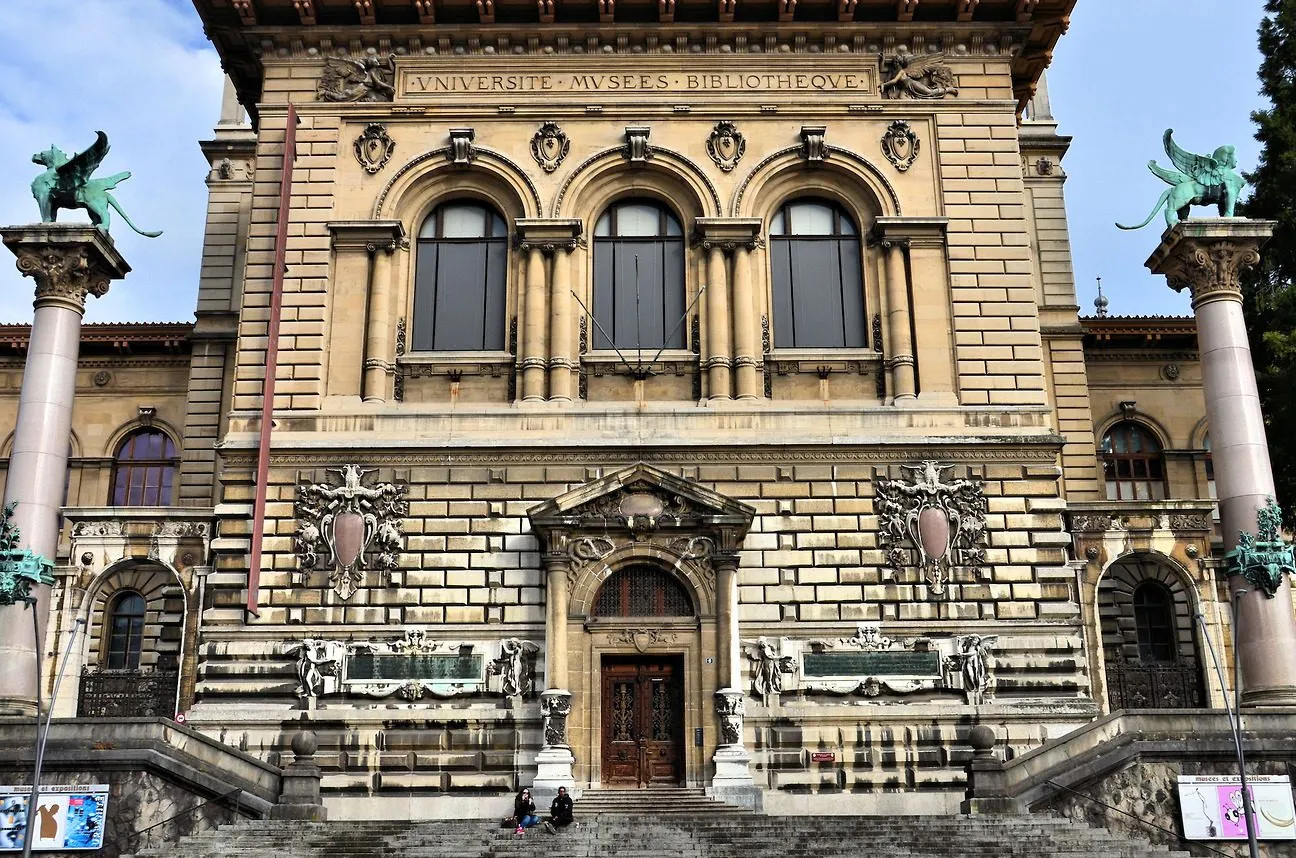
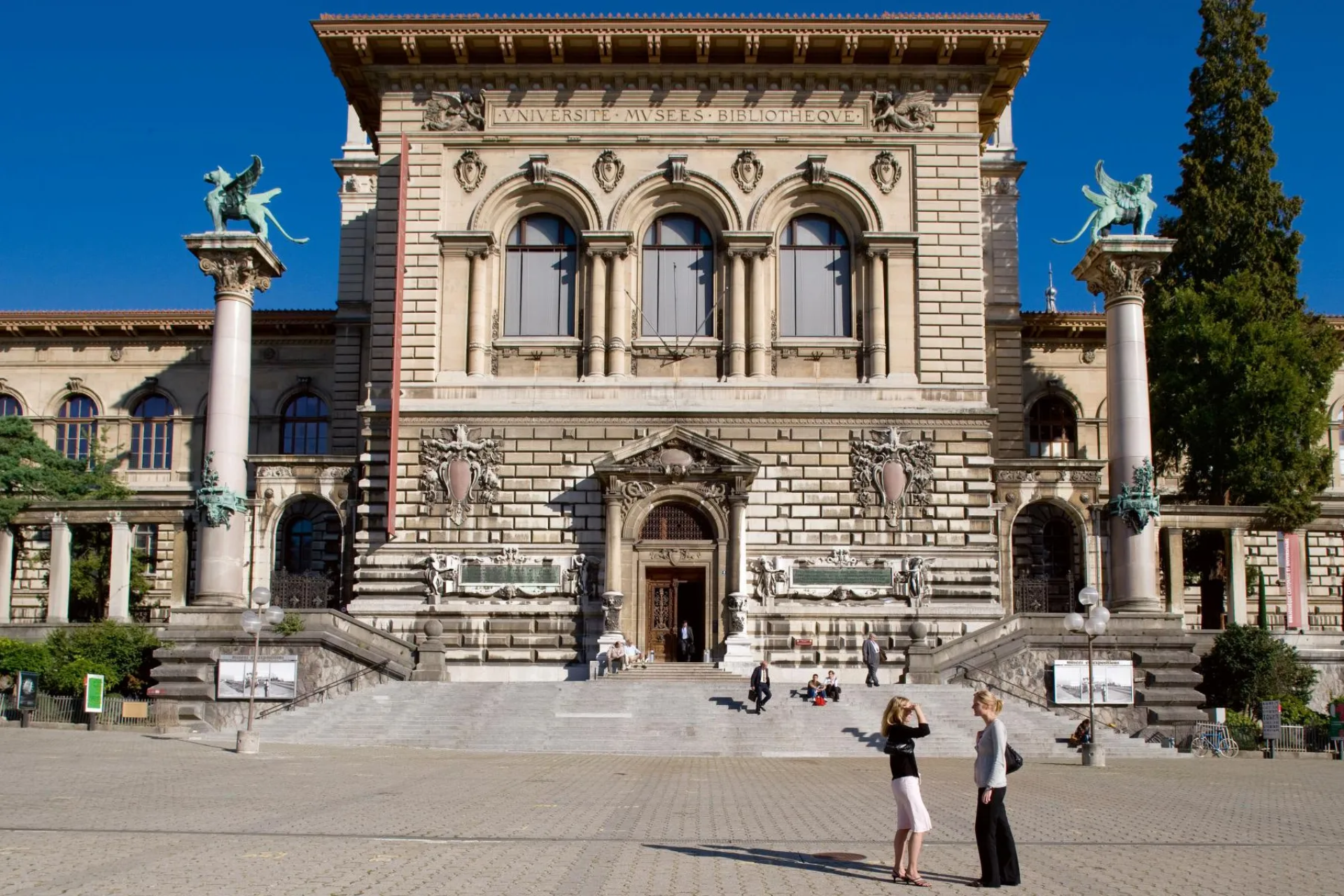
The Palace of Rumine was built at the beginning of the 20th century thanks to a generous bequest from Gabriel de Rumine. Its importance lies in being a magnificent example of Neo-Renaissance architecture and, even more importantly, a vital cultural and educational center for Lausanne, housing multiple museums as well as the cantonal and university library. It is a symbol of the city's commitment to education and the arts: Information about the Palace on Lausanne.ch.
To avoid crowds, I recommend visiting the Palace of Rumine in the morning, right after opening, or on weekdays rather than weekends. Spring and autumn are ideal seasons in Lausanne because of the pleasant weather. Specifically, the months of May and September are perfect. During summer, avoid the middle of the day.
Yes, the Palace of Rumine strives to be accessible. It has elevators connecting the different floors, and the museums usually have ramps or wheelchair-friendly alternatives. However, given the building's age, some specific areas may have limitations. It is advisable to contact the specific museum you wish to visit or the Palace administration directly to confirm accessibility for your particular needs before your visit.
The location of the Palace of Rumine is fantastic. You are just a short walk from the lively Cité district, where you will find the majestic Lausanne Cathedral and the old town hall. You can also explore the charming old town with its cobbled streets and shops. In addition, the Lausanne Botanical Garden is relatively close. I recommend taking a stroll through Riponne Square as soon as you leave the palace.
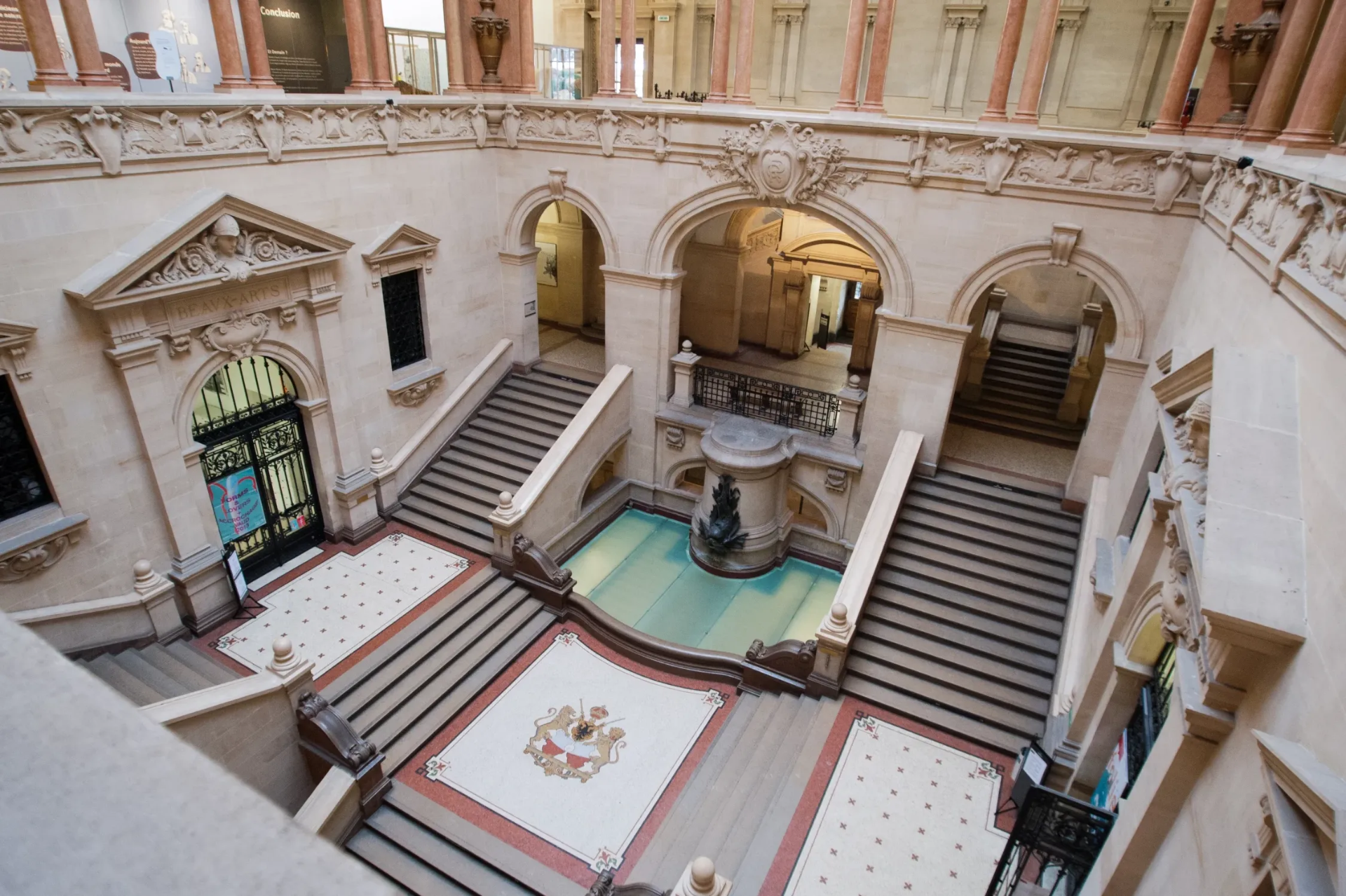
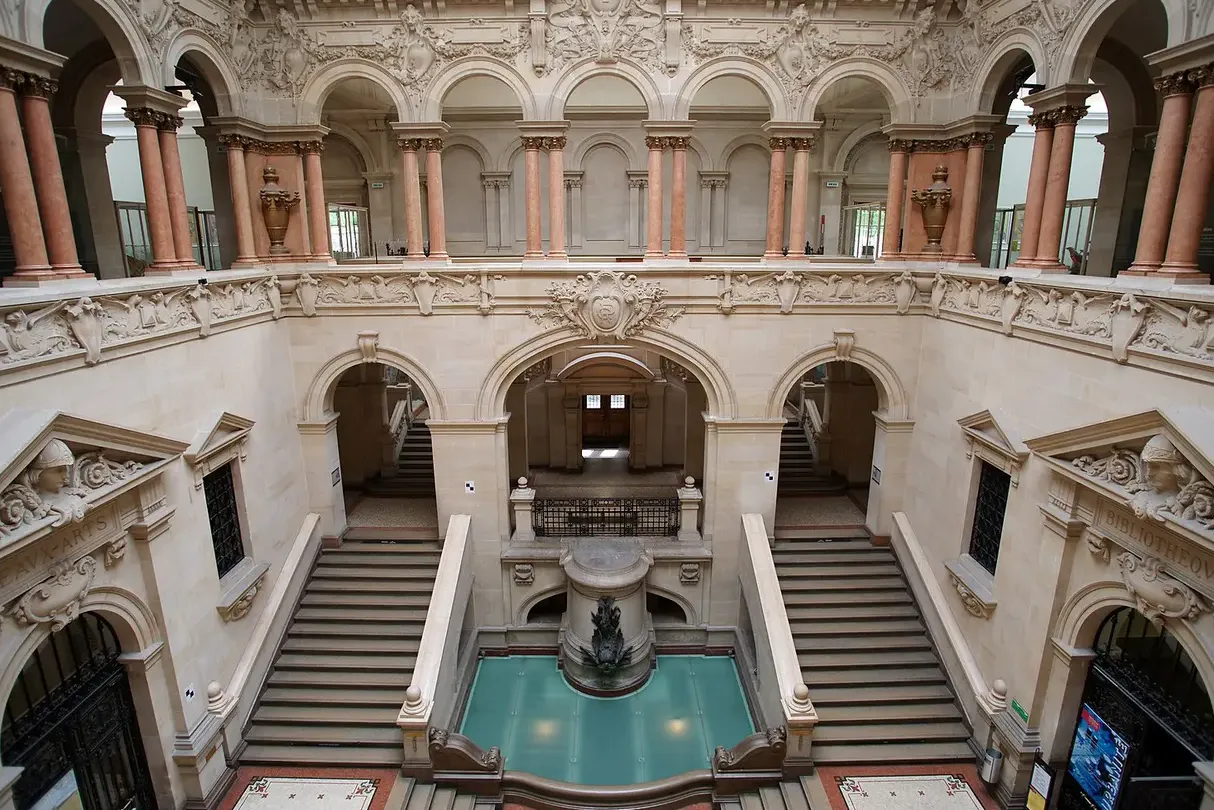
Of course—here are a few expert tips: First, decide in advance which museums interest you most so you can make the best use of your time. Second, consider wearing comfortable shoes, as the palace is large and the museums span several floors. Third, look for brochures or maps available at the entrance to help you find your way. Fourth, do not forget to look up at the ceilings and walls; the building's architecture is a work of art in itself. And if you are a history lover, bring your IAudioguia audio guide for a fully immersive experience!
¿Prefieres escuchar en español?
🇪🇸 Escucha la audioguía de Palace of Rumine Audio Guide en español