No te vayas sin conocer la historia Suscribete
IAudioGuia iaudioguia
Audio Guides of Lucerne

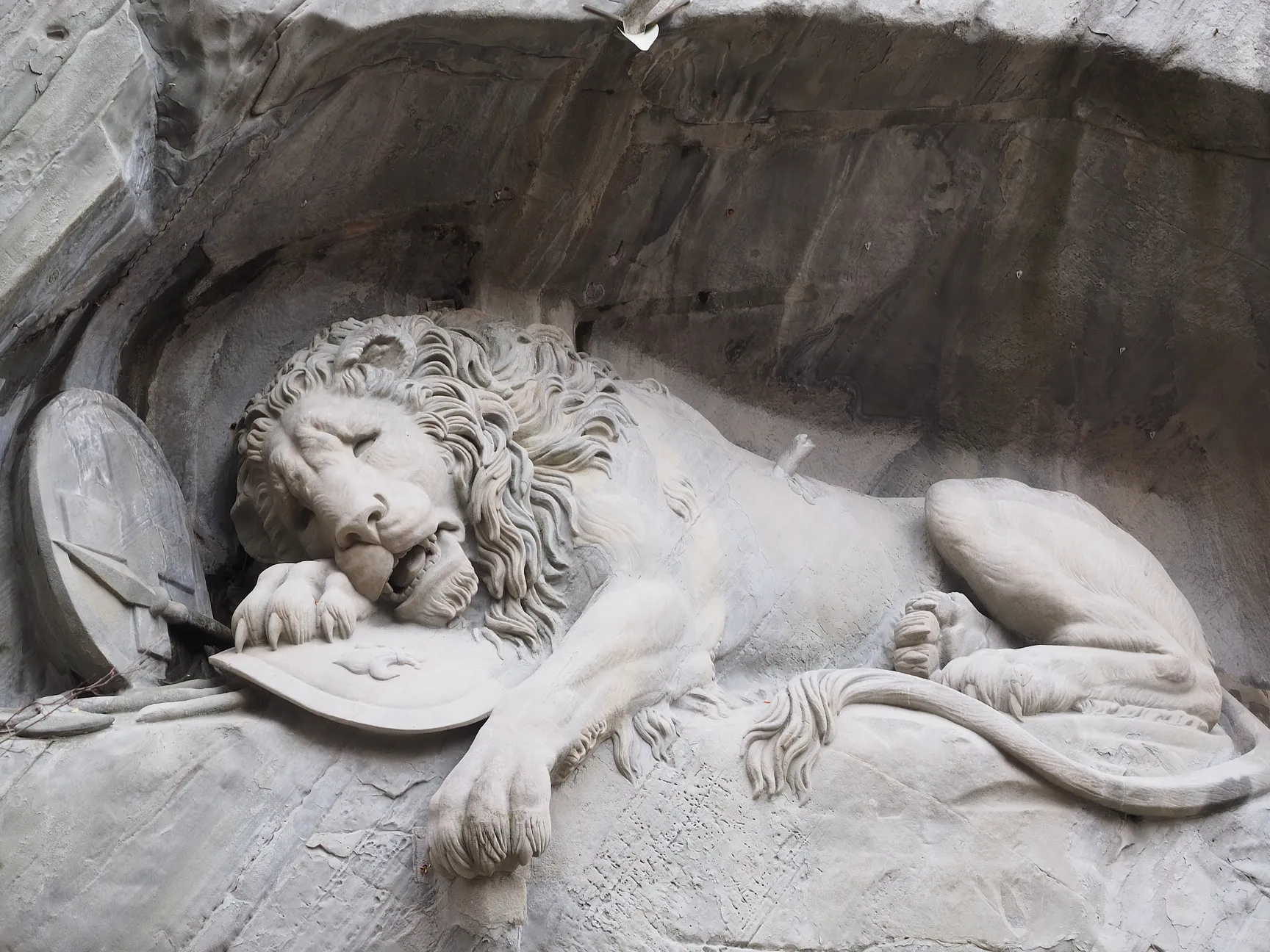
Audio Guide of the Lion Monument

La roca que llora: un monumento tallado en dolor, orgullo y 30 toneladas de arena política

✓ What guidebooks don't tell you
✓ Secrets other tourists miss
✓ Listen while you explore
Discover everything
00:00
00:00
Rate this audio guide

📖 Audio Guide Chapters

6 chapters

1. The Stone Moan That Made Twain Cry

🔒 Premium Content

Subscribe to access all chapters of this audio guide.

2. The Scandal of the Phantom Sculptor

🔒 Premium Content

Subscribe to access all chapters of this audio guide.

3. Mercenaries, the Bloody Business

🔒 Premium Content

Subscribe to access all chapters of this audio guide.

4. The Curse of the Cursed Names

🔒 Premium Content

Subscribe to access all chapters of this audio guide.

5. The Claw That Hides a Revenge

🔒 Premium Content

Subscribe to access all chapters of this audio guide.

6. A Failure Turned Into a Legacy?

🔒 Premium Content

Subscribe to access all chapters of this audio guide.

❓ Frequently Asked Questions

What are the opening hours of the Lion Monument, and how can I get there?

The Lion Monument (Löwendenkmal) is located in a public park that is open 24 hours a day, every day of the year. It is at Denkmalstrasse 4, and you can easily reach it by walking about 15 minutes from the Old Town or by taking buses 1, 19, 22, or 23 to the 'Löwenplatz' stop.

Do I have to pay admission to see the lion, or is it free?

The visit is completely free, as the monument is located in an open public space with free access for everyone. You do not need to book tickets or queue at a ticket office; simply come and enjoy this masterpiece.

How much time is recommended for the visit?

It is a short but moving visit; in general, spending between 15 and 30 minutes is enough to admire the sculpture, read the inscription, and take photographs. It is an ideal stop to combine with other nearby attractions without taking up your whole morning.

What is the story behind this lion, and what does it represent?

The monument commemorates the Swiss Guards who were massacred in 1792 during the French Revolution while defending the Tuileries Palace. Mark Twain famously described it as "the most mournful and moving piece of stone in the world" because of the expression of pain on the dying lion.

What is the best time of day to visit the monument and avoid crowds?

We recommend going early in the morning (before 9:00 a.m.) or late in the afternoon to avoid the large groups from tour buses. In addition, the soft light at these times better highlights the details and texture of the sandstone.

Is the site accessible for people with reduced mobility or wheelchairs?

Yes, access to the viewing area in front of the pond and the monument is flat and paved, making it fully accessible for wheelchairs and strollers. You will have a clear and direct view of the sculpture without needing to navigate stairs.

What other tourist attractions are nearby to make the most of the trip?

Right next to the monument, you will find the fascinating Glacier Garden (Gletschergarten) and the famous mirror maze. The Bourbaki Panorama and the Church of St. Leodegar (Hofkirche) are also very close, so you can visit several iconic sites with only a short walk.

What practical tips would help me enjoy the experience more?

Respect the silence of the place, as it is a memorial to fallen soldiers. For an immersive experience, we suggest bringing headphones and listening to an audio guide that explains the symbolism of the shield and the broken spear while you observe the details carved into the rock.

¿Prefieres escuchar en español?

🇪🇸 Escucha la audioguía de the Lion Monument en español