No te vayas sin conocer la historia Suscribete
IAudioGuia iaudioguia
Audio Guides of Hoga Kusten

Audio Guide of the High Coast

¿Sabías que esta costa sueca sube del mar un centímetro al año? Ven, te cuento por qué la tierra aquí desafía la física.

✓ What guidebooks don't tell you
✓ Secrets other tourists miss
✓ Listen while you explore
Discover everything
00:00
00:00

📖 Audio Guide Chapters

6 chapters

1. The coast that rebels against the ice

🔒 Premium Content

Subscribe to access all chapters of this audio guide.

2. Frozen clues that expose the culprit

🔒 Premium Content

Subscribe to access all chapters of this audio guide.

3. Fishermen against the treacherous sea

🔒 Premium Content

Subscribe to access all chapters of this audio guide.

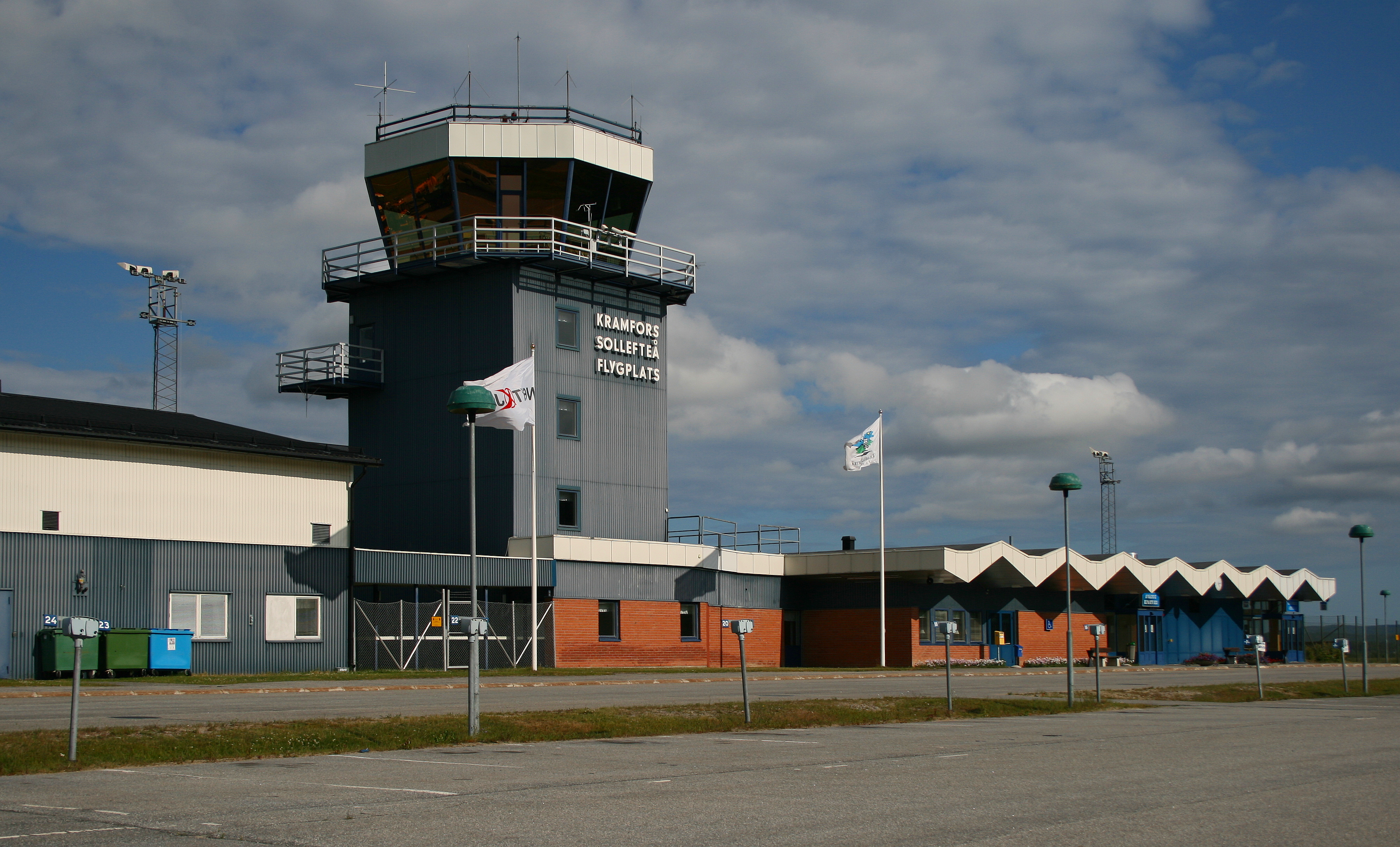
4. The ghost airport of the underwater coast

🔒 Premium Content

Subscribe to access all chapters of this audio guide.

5. Fissures that guard millennia

🔒 Premium Content

Subscribe to access all chapters of this audio guide.

6. The legacy that rises with you

🔒 Premium Content

Subscribe to access all chapters of this audio guide.

❓ Frequently Asked Questions

When is the High Coast open and how can I get there?

The High Coast is open year-round as a natural area, but the visitor center in Docksta operates from May to September, 10:00 AM to 6:00 PM. You can arrive by car via the E4 highway, by train to Härnösand or Kramfors, or by ferry from nearby islands; for more details, visit the official High Coast website.

Is it free to visit the High Coast or is there an entrance fee?

Most areas and trails in the High Coast are free, as it is a UNESCO-protected natural landscape. However, some activities such as guided tours or ferry services may cost around 100-200 SEK; check updated prices on the official website.

How much time is needed to visit the High Coast?

It is recommended to spend at least a full day exploring the main trails and viewpoints, but for a complete experience, plan 2-3 days. This gives you time to hike routes like the High Coast Trail without rushing and enjoy the coastal scenery.

What is the history or importance of the High Coast?

The High Coast has been a UNESCO World Heritage Site since 2000 because of its unique post-glacial landscape, shaped by land uplift after the last Ice Age. It represents the clearest example in the world of how the Swedish coastline has changed over the last 9,000 years, with elevated hills reaching 285 meters above current sea level.

When is the best time to visit the High Coast?

The best time is summer, from June to August, when the weather is warm and there are up to 20 hours of daylight for hiking. Avoid winter if you do not like below-freezing temperatures, but spring (May) offers fewer tourists and wildflowers.

Is the High Coast accessible for people with reduced mobility?

Some parts are accessible, such as the Södra Stadsberget viewpoint in Docksta, with a paved trail and easy car access. However, many trails are uneven; for adapted options, contact the visitor center at +46 612 533 00 or check the official website for inclusive routes.

What other attractions are near the High Coast?

Nearby you will find Skuleskogen National Park with its caves and beaches, or the island of Ulvön for a ferry trip. There is also the High Coast Bridge, an impressive suspension bridge; explore more on the official website.

What practical tips are there for visiting the High Coast?

Bring comfortable footwear and waterproof clothing for unpredictable hikes, and download the High Coast Trail map to your phone. Book accommodation in advance during summer, and consider a guide if you are new to hiking; for emergencies, call 112 in Sweden.

¿Prefieres escuchar en español?

🇪🇸 Escucha la audioguía de the High Coast en español