No te vayas sin conocer la historia Suscribete
IAudioGuia iaudioguia
Audio Guides of Sant Cugat Del Valles

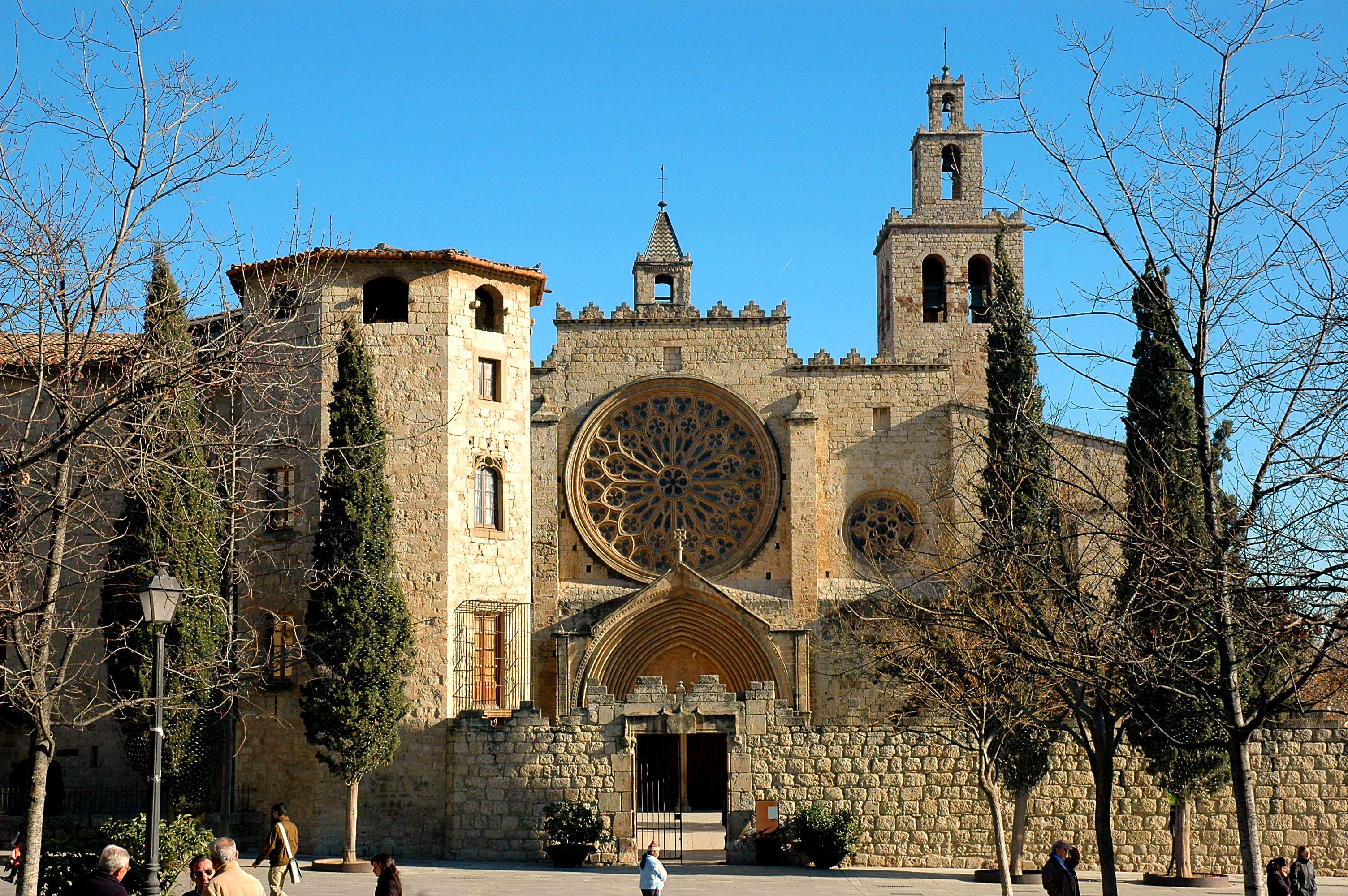
Audio Guide of the Monastery of Sant Cugat

Donde los muros susurran historias de monjes bebedores, abades escandalosos y un gato inmortalizado en piedra.

✓ What guidebooks don't tell you
✓ Secrets other tourists miss
✓ Listen while you explore
Discover everything
00:00
00:00

📖 Audio Guide Chapters

6 chapters

1. The saint who rolled downhill

🔒 Premium Content

Subscribe to access all chapters of this audio guide.

2. Military strategy behind the altars

🔒 Premium Content

Subscribe to access all chapters of this audio guide.

3. The abbot of private parties

🔒 Premium Content

Subscribe to access all chapters of this audio guide.

4. Cocktails with dynamite and comics

🔒 Premium Content

Subscribe to access all chapters of this audio guide.

5. The 12th-century cat and the ghostly footprints

🔒 Premium Content

Subscribe to access all chapters of this audio guide.

6. Take the monastic silence with you

🔒 Premium Content

Subscribe to access all chapters of this audio guide.

❓ Frequently Asked Questions

What are the visiting hours of the Monastery of Sant Cugat and how can I get in?

The Monastery of Sant Cugat is open from Tuesday to Saturday from 10 a.m. to 2 p.m. and from 4 p.m. to 6 p.m., and on Sundays from 10 a.m. to 2 p.m. It is closed on Mondays. I recommend checking the official Sant Cugat City Council website, where you will find updated opening hours and possible changes: santcugat.cat.

Do I need to pay an entrance fee to visit the monastery, or is it free?

Visiting the Monastery of Sant Cugat is generally free for access to the cloister and the church. However, temporary exhibitions or specific guided tours may involve a fee. It is always best to check the city council website to confirm prices for additional services: santcugat.cat.

How much time should I set aside for my visit to the Monastery of Sant Cugat to see it properly?

To fully enjoy the Monastery of Sant Cugat, including the cloister and the church, I suggest setting aside at least 1.5 to 2 hours. If you stop to admire the details or join a guided tour, you may want a little more time.

What makes the Monastery of Sant Cugat so special? What is its historical importance?

The Monastery of Sant Cugat is a treasure of Catalan Romanesque art, famous for its cloister, considered one of the most important in Europe. Its carved capitals tell biblical stories and everyday scenes, offering a unique window into medieval life and the art of the period. It was a major center of power and culture for centuries.

What is the best time of day or year to visit the monastery and avoid crowds?

If you are looking for a peaceful visit, I recommend going early in the morning or late in the afternoon, especially on weekdays. As for the best time of year, spring and autumn offer pleasant temperatures and fewer tourists than the summer months. That way, you can enjoy the serenity of the place without rushing.

Is the Monastery of Sant Cugat accessible for people with reduced mobility?

Yes, the Monastery of Sant Cugat has made efforts to be accessible. The cloister and the church are accessible for people with reduced mobility, although it is always a good idea to contact them in advance if you have specific needs to ensure the best experience. You can call Sant Cugat City Council for more information or check its tourism section.

Besides the monastery, what other attractions are worth visiting nearby in Sant Cugat del Vallès?

Sant Cugat del Vallès offers several nearby points of interest. You can stroll through the historic center, visit Mercat Vell, Espai Volart of the Vila Casas Foundation, or enjoy nature in Collserola Natural Park. The city is perfect for combining culture with a bit of მშვიდ tranquility.

Any practical tips to make the most of my visit to the Monastery of Sant Cugat?

I recommend wearing comfortable shoes, as you will be walking around for quite a while. Take the opportunity to take photos, as photography is allowed. Consider downloading an online guide or reading about the cloister capitals before you go, so you can better understand the stories they tell. And do not forget to try the local cuisine after your visit.

¿Prefieres escuchar en español?

🇪🇸 Escucha la audioguía de the Monastery of Sant Cugat en español