The best-kept secret of Jaca Subscribe
IAudioGuia iaudioguia
Audio Guides of Jaca

Audio Guide of the Diocesan Museum of Jaca

A fascinating journey through Romanesque art and the religious history of the Aragonese Pyrenees.

✓ What guidebooks don't tell you
✓ Secrets other tourists miss
✓ Listen while you explore
Discover everything
00:00
00:00
Rate this audio guide

📖 Audio Guide Chapters

6 chapters

1. Introduction and History

🔒 Premium Content

Subscribe to access all chapters of this audio guide.

2. Architecture and Design

🔒 Premium Content

Subscribe to access all chapters of this audio guide.

3. Art and Decoration

🔒 Premium Content

Subscribe to access all chapters of this audio guide.

4. Historical Figures

🔒 Premium Content

Subscribe to access all chapters of this audio guide.

5. Curiosities and Legends

🔒 Premium Content

Subscribe to access all chapters of this audio guide.

6. Cultural Importance and Legacy

🔒 Premium Content

Subscribe to access all chapters of this audio guide.

❓ Frequently Asked Questions

Is it open every day? What are the opening hours, and how can I get my ticket for the Diocesan Museum of Jaca?

Hello, future art explorer! The Diocesan Museum of Jaca has opening hours that vary by season. It is best to check the updated timetable directly on its official website or call ahead to be sure. Generally, it is an easily accessible museum, and tickets are usually purchased at the ticket office. Here is the link to its website so you do not miss a thing: Diocesan Museum of Jaca: Visit Us.

How much does admission cost? Are there discounts for students or seniors?

General admission to the Diocesan Museum of Jaca is usually reasonably priced, and yes, they normally offer reduced rates for groups, students, seniors, pilgrims on the Camino de Santiago, and large families. I always recommend checking the exact prices and any available discounts on the website or by calling the museum. That way, you can secure the best deal and enjoy the art without worries. Their phone number is 974 36 21 85.

How much time is recommended for a visit to the Diocesan Museum of Jaca to truly enjoy it without rushing?

To fully immerse yourself in the cultural richness of the Diocesan Museum of Jaca, I suggest setting aside between 1.5 and 2 hours. That will give you enough time to appreciate its impressive Romanesque frescoes and every detail without feeling rushed. It is the perfect pace to take in all the beauty!

Why is this museum so important? What makes it special compared with other sacred art museums?

The Diocesan Museum of Jaca is a true gem because of its collection of Romanesque wall paintings, considered one of the most important in Europe. Its frescoes, brought from Pyrenean churches, transport you to the past and reveal the history and art of the Middle Ages in a unique way. It is a living testimony to Aragonese cultural heritage. It will not leave you indifferent!

What is the best time of year or the best time of day to visit the museum and avoid crowds?

Spring and autumn are usually the ideal times to visit Jaca and, therefore, the museum, as the weather is pleasant and there are fewer visitors than in summer. To avoid crowds, I recommend going early in the morning or late in the afternoon. That way, you can enjoy the calm of its rooms and its works at a more relaxed pace.

Is the Diocesan Museum of Jaca adapted for people with reduced mobility or wheelchairs?

Good question! The Diocesan Museum of Jaca makes an effort to be accessible. A large part of its facilities is accessible, but it is always advisable to contact them directly before your visit to confirm the specific details and whether there are any areas with difficulties. You can call them or check their website. The phone number is 974 36 21 85.

Since I will be in Jaca, is there anything else interesting to see near the museum that is worth visiting afterward?

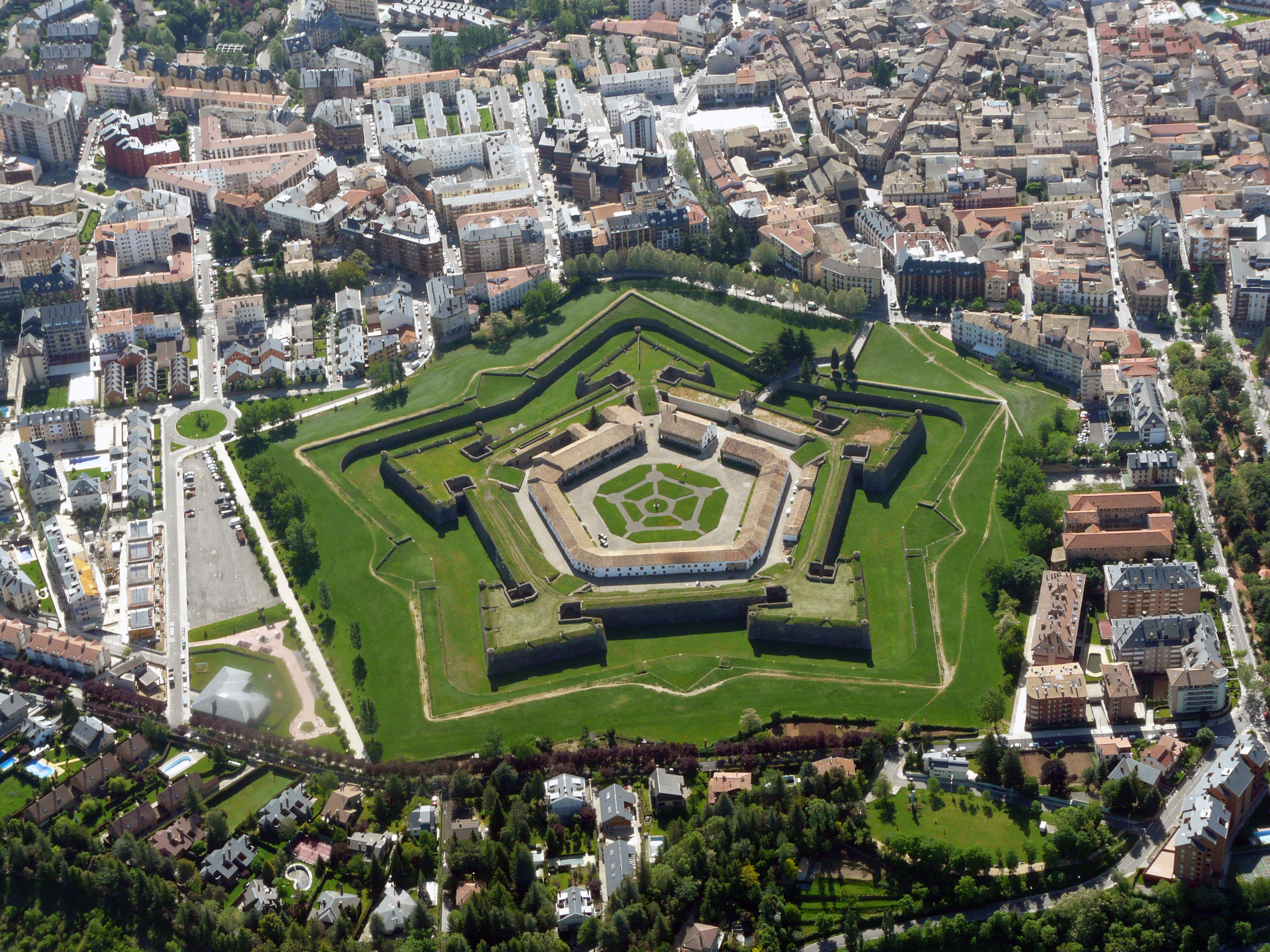
Absolutely! Jaca is full of charm. After the museum, you should not miss the impressive Cathedral of Saint Peter, a magnificent example of Romanesque architecture. I also recommend a walk around the Jaca Citadel, a star-shaped fortress, and wandering through the streets of the old town. There is history on every corner!

Any practical tips to make the most of my visit to the Diocesan Museum of Jaca?

Of course! To get the most out of your experience, I recommend checking their website before you go so you can familiarize yourself with the exhibitions and perhaps download an audio guide if they offer one. Wear comfortable shoes, as you will be walking through several rooms. And, of course, do not forget your camera (if flash photography is allowed) to capture the beauty of the frescoes. Remember that IAudioguía is working to offer you the best audio guides for these kinds of places too, so stay tuned for our latest updates.

¿Prefieres escuchar en español?

🇪🇸 Escucha la audioguía de the Diocesan Museum of Jaca en español