No te vayas sin conocer la historia Suscribete
IAudioGuia iaudioguia
Audio Guides of Granada

Audio Guide of Dar al-Horra Palace

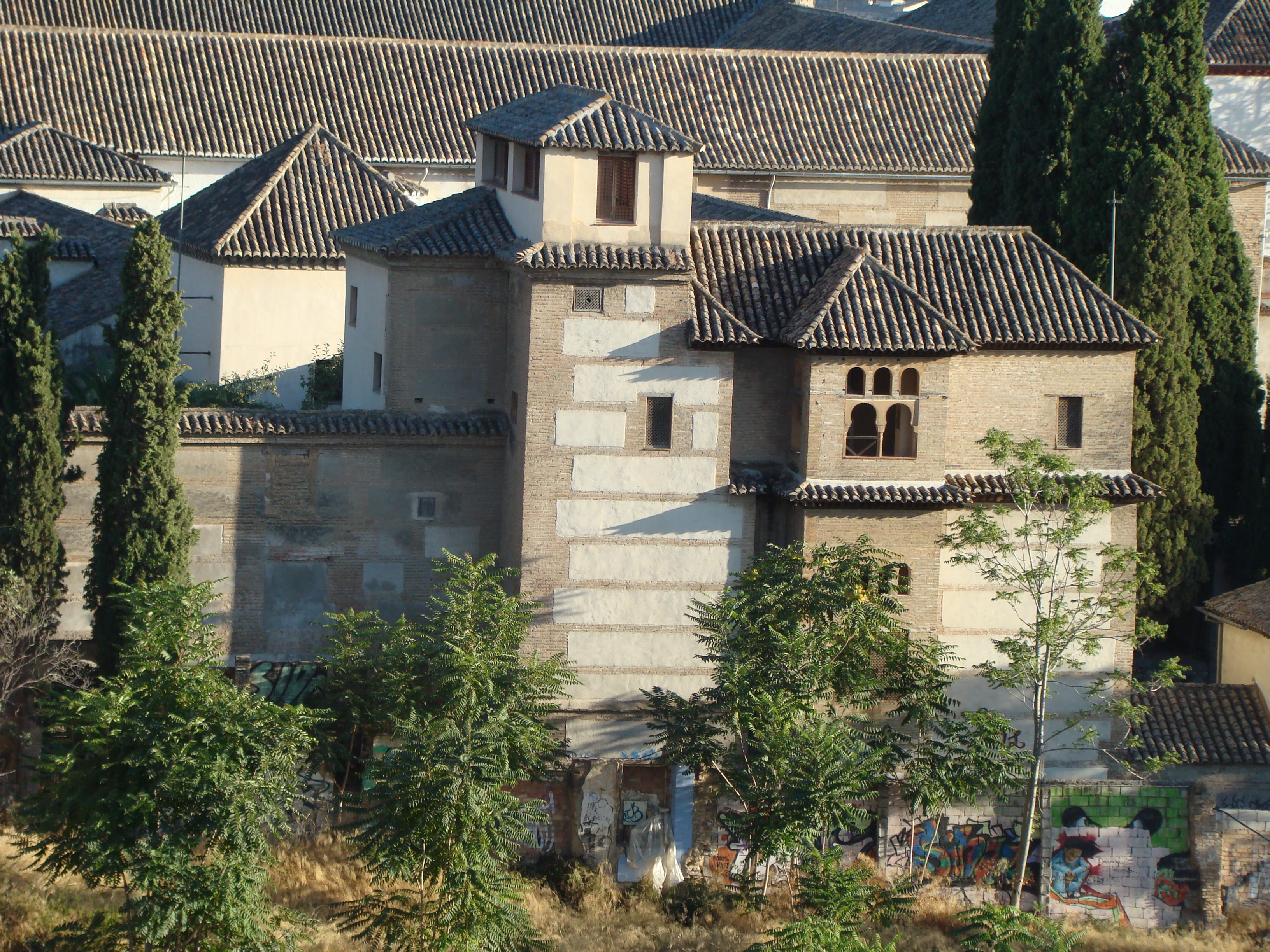
A Nasrid palace that was the residence of the mother of Granada's last king, El Zagal, and later of Queen Aixa.

✓ What guidebooks don't tell you
✓ Secrets other tourists miss
✓ Listen while you explore
Discover everything
00:00
00:00

📖 Audio Guide Chapters

6 chapters

1. Introduction and History

🔒 Premium Content

Subscribe to access all chapters of this audio guide.

2. Architecture and Design

🔒 Premium Content

Subscribe to access all chapters of this audio guide.

3. Art and Decoration

🔒 Premium Content

Subscribe to access all chapters of this audio guide.

4. Historical Figures

🔒 Premium Content

Subscribe to access all chapters of this audio guide.

5. Curiosities and Legends

🔒 Premium Content

Subscribe to access all chapters of this audio guide.

6. Cultural Importance and Legacy

🔒 Premium Content

Subscribe to access all chapters of this audio guide.

❓ Frequently Asked Questions

What are the opening hours of Dar al-Horra Palace and how can I get there?

The palace is open from Tuesday to Saturday from 10:00 a.m. to 6:00 p.m. (last entry at 5:15 p.m.), and on Sundays from 10:00 a.m. to 3:00 p.m. (last entry at 2:15 p.m.); it is closed on Mondays and public holidays. Access is via the Cuesta de los Chinos from Paseo de los Tristes or from the Generalife; book your ticket in advance on the official Patronage website.

How much is admission to Dar al-Horra Palace and is it free for anyone?

Admission costs €5 for adults, €3 for people over 65 and pensioners, and is free for children under 12. You can buy or reserve tickets online on the official ticket platform to avoid queues.

How much time is recommended for visiting Dar al-Horra Palace?

It is recommended to allow between 30 and 45 minutes for a full visit, exploring the courtyards, rooms, and panoramic views. If you use an audio guide, you may want to spend a little longer taking in the details.

What is the history or cultural importance of Dar al-Horra Palace?

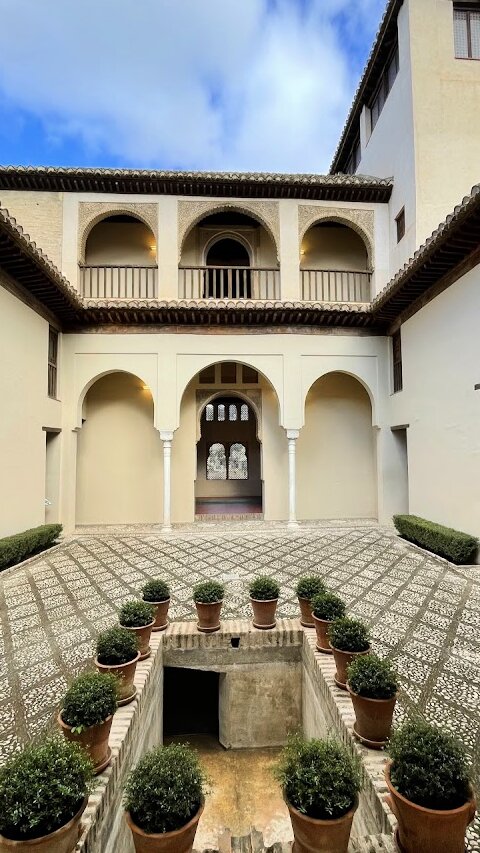
Built in the 15th century by Muhammad IX 'the Left-Handed', it was the residence of Sultana Aixa, mother of Boabdil, the last Nasrid king, symbolizing the final splendor of the Nasrid Kingdom. It is an exquisite example of Nasrid architecture with courtyards, arches, and tiles in the heart of the Albaicín.

What is the best time of year or day to visit Dar al-Horra Palace?

Spring (March to May) and autumn (September to November) are ideal thanks to the mild weather; avoid summer because of the intense heat. Go early in the morning for fewer crowds and better light for photos.

Is Dar al-Horra Palace accessible for people with reduced mobility?

The main access involves slopes and some stairs, so it is not fully accessible for wheelchairs, although there are adapted areas on the ground floor. Contact the Patronage at +34 958 027 971 for specific options or assistance.

What other attractions can I see near Dar al-Horra Palace?

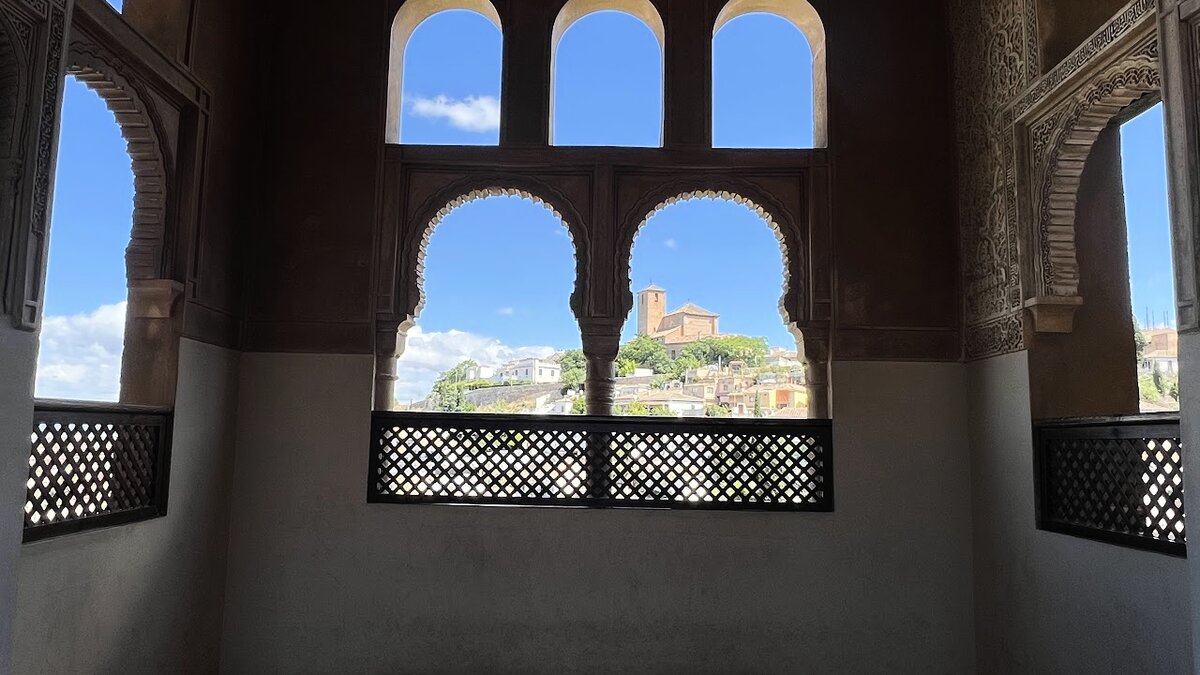
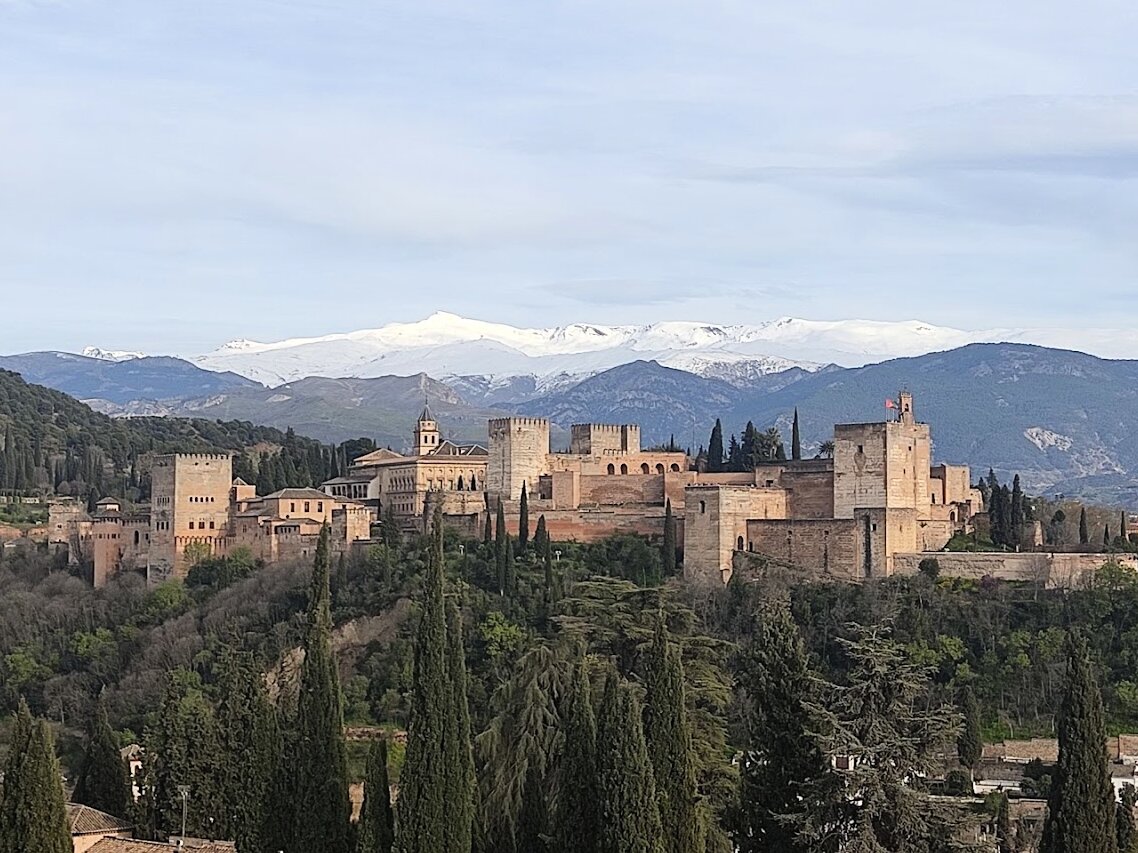
A few minutes away are the Generalife and the full Alhambra complex, ideal for combining visits; also explore the Albaicín district with its cobbled streets and viewpoints. Walk down to Paseo de los Tristes for views of the Genil River.

What practical tips can you give me to make the most of my visit to Dar al-Horra Palace?

Wear comfortable shoes for the steep streets, and bring water and sunscreen; book tickets online in advance via alhambra-patronato.es. Consider an audio guide to enrich the historical experience.

¿Prefieres escuchar en español?

🇪🇸 Escucha la audioguía de Dar al-Horra Palace en español