No te vayas sin conocer la historia Suscribete
IAudioGuia iaudioguia
Audio Guides of Garrovillas De Alconetar

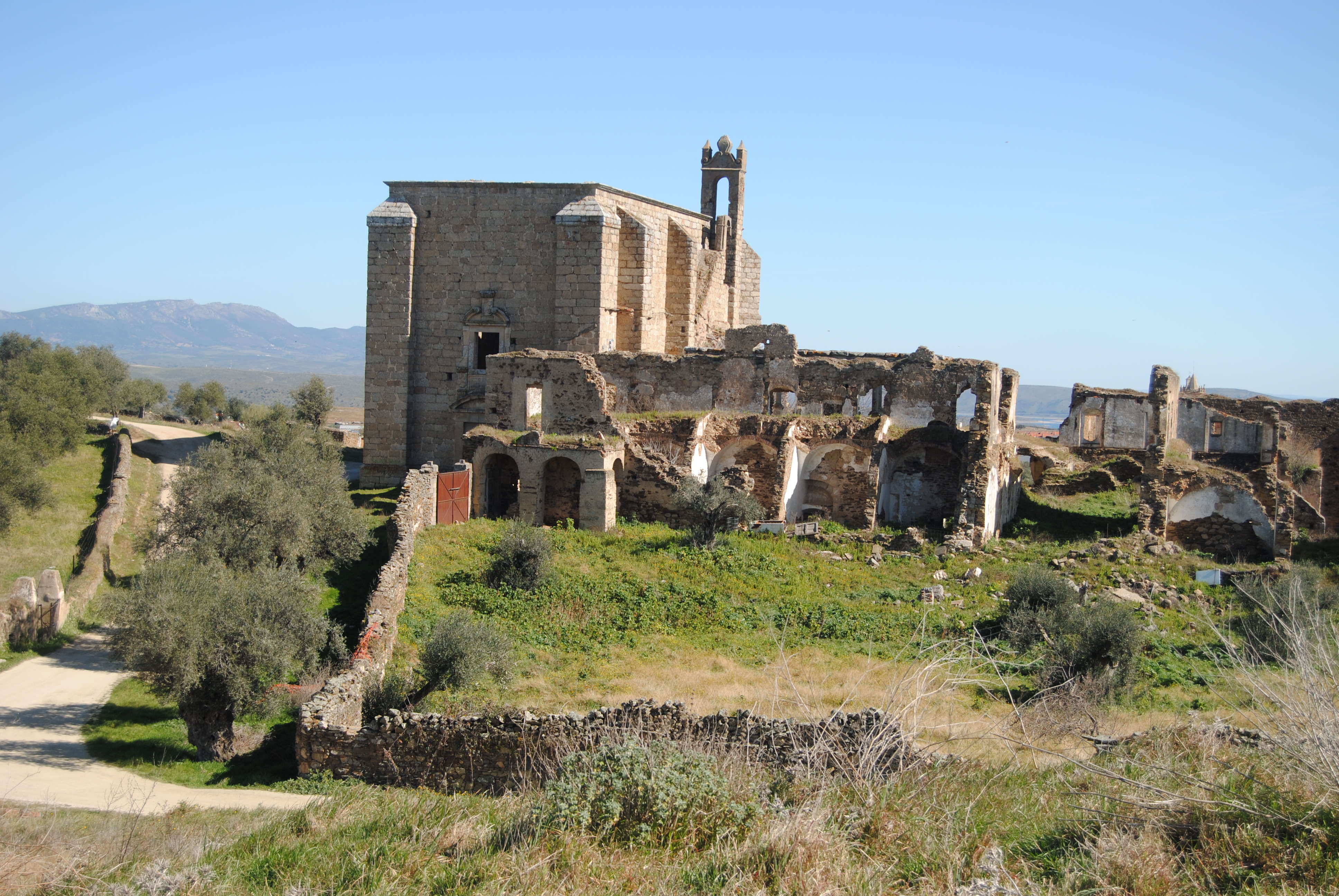
Audio Guide of the Convent of Saint Anthony of Padua

Ruins of a 17th-century Franciscan convent in Extremadura, a witness to popular devotion and monastic life, inviting visitors to explore its history among silent stones.

✓ What guidebooks don't tell you
✓ Secrets other tourists miss
✓ Listen while you explore
Discover everything
00:00
00:00
Rate this audio guide

📖 Audio Guide Chapters

6 chapters

1. Introduction and History

🔒 Premium Content

Subscribe to access all chapters of this audio guide.

2. Architecture and Design

🔒 Premium Content

Subscribe to access all chapters of this audio guide.

3. Art and Decoration

🔒 Premium Content

Subscribe to access all chapters of this audio guide.

4. Historical Figures

🔒 Premium Content

Subscribe to access all chapters of this audio guide.

5. Curiosities and Legends

🔒 Premium Content

Subscribe to access all chapters of this audio guide.

6. Cultural Importance and Legacy

🔒 Premium Content

Subscribe to access all chapters of this audio guide.

❓ Frequently Asked Questions

What are the visiting hours of the Convent of Saint Anthony?

Opening hours vary depending on the season and events. It is generally open on weekends from 11:00 to 14:00 and from 17:00 to 19:00. We recommend confirming with the Town Hall: 927 28 70 02 or checking turismogarrovillas.es.

Is admission to the convent free?

Yes, admission is free, although voluntary donations are accepted for its upkeep (recommended: €1–2 per person). No advance booking is required.

How much time is needed to visit it?

A full visit takes between 45 and 60 minutes. It includes the Renaissance cloister, the Gothic-Isabelline church, and the exhibition area with details of its Franciscan history.

Why is this convent historically important?

Founded in 1476 by the Franciscans, it has been a National Monument since 1931. It stands out for its Mudéjar architecture and its role as a religious center during the Middle Ages. Its cloister is one of the best examples of the Extremaduran Renaissance.

What is the best time of year to visit?

Spring (April to June) and autumn (September to October), thanks to the pleasant weather. Avoid Sunday afternoons, when it is usually busier. On Wednesdays there is a medieval market in the town that pairs well with the visit.

Is it accessible for wheelchairs?

It has partial access: the ground floor of the cloister is accessible, but there are steps in the church and upper areas. The paving is original cobblestone, so non-slip footwear is recommended.

What other places can be visited near the convent?

300 meters away: the medieval Main Square (considered one of the most beautiful in Extremadura), the Shrine of Altagracia, and the 16th-century Town Hall. A 15-minute drive away: the Guadalperal Dolmen, known as the 'Spanish Stonehenge,' in the Valdecañas Reservoir.

Any tips to make the most of the visit?

1) Bring water (in summer temperatures exceed 35°C) 2) Combine it with the local Iberian Ham Route 3) Photograph the Plateresque details of the façade 4) Check cultural activities at turismoextremadura.com

¿Prefieres escuchar en español?

🇪🇸 Escucha la audioguía de the Convent of Saint Anthony of Padua en español