No te vayas sin conocer la historia Suscribete
IAudioGuia iaudioguia
Audio Guides of Alcantara

Audio Guide of Tagus International Natural Park

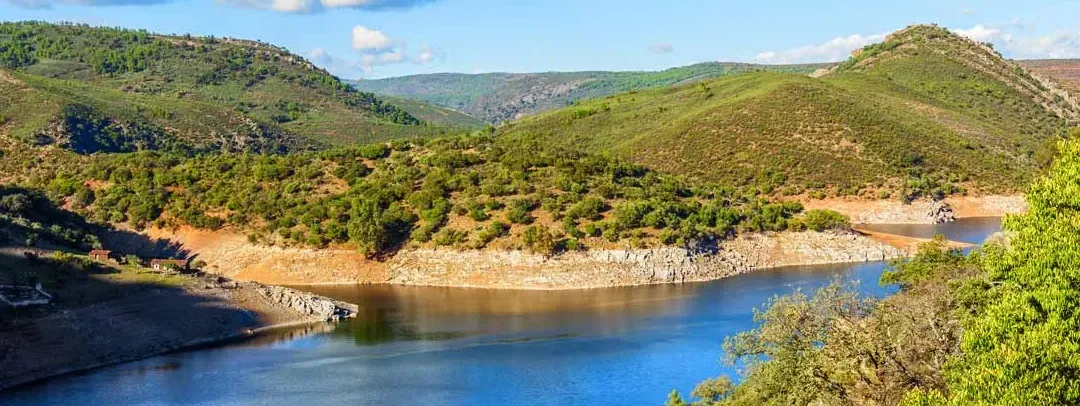
Un vasto cañón fronterizo entre España y Portugal que esconde cañones profundos del Tajo, rica biodiversidad y huellas romanas milenarias.

✓ What guidebooks don't tell you
✓ Secrets other tourists miss
✓ Listen while you explore
Discover everything
00:00
00:00
Rate this audio guide

📖 Audio Guide Chapters

6 chapters

1. Introduction and History

🔒 Premium Content

Subscribe to access all chapters of this audio guide.

2. Architecture and Design

🔒 Premium Content

Subscribe to access all chapters of this audio guide.

3. Art and Decoration

🔒 Premium Content

Subscribe to access all chapters of this audio guide.

4. Historical Figures

🔒 Premium Content

Subscribe to access all chapters of this audio guide.

5. Curiosities and Legends

🔒 Premium Content

Subscribe to access all chapters of this audio guide.

6. Cultural Importance and Legacy

🔒 Premium Content

Subscribe to access all chapters of this audio guide.

❓ Frequently Asked Questions

What are the visiting hours and how can I access Tagus International Natural Park?

The park is accessible 24 hours a day, but interpretation centers such as the one in Alcántara are open from 9:00 a.m. to 2:00 p.m. and from 4:00 p.m. to 6:00 p.m. in winter, or 5:00 p.m. to 7:00 p.m. in summer. The best way to get there is by private car. More details at Extremadura Tourism.

Is access to the park free, or do I need to pay an entrance fee?

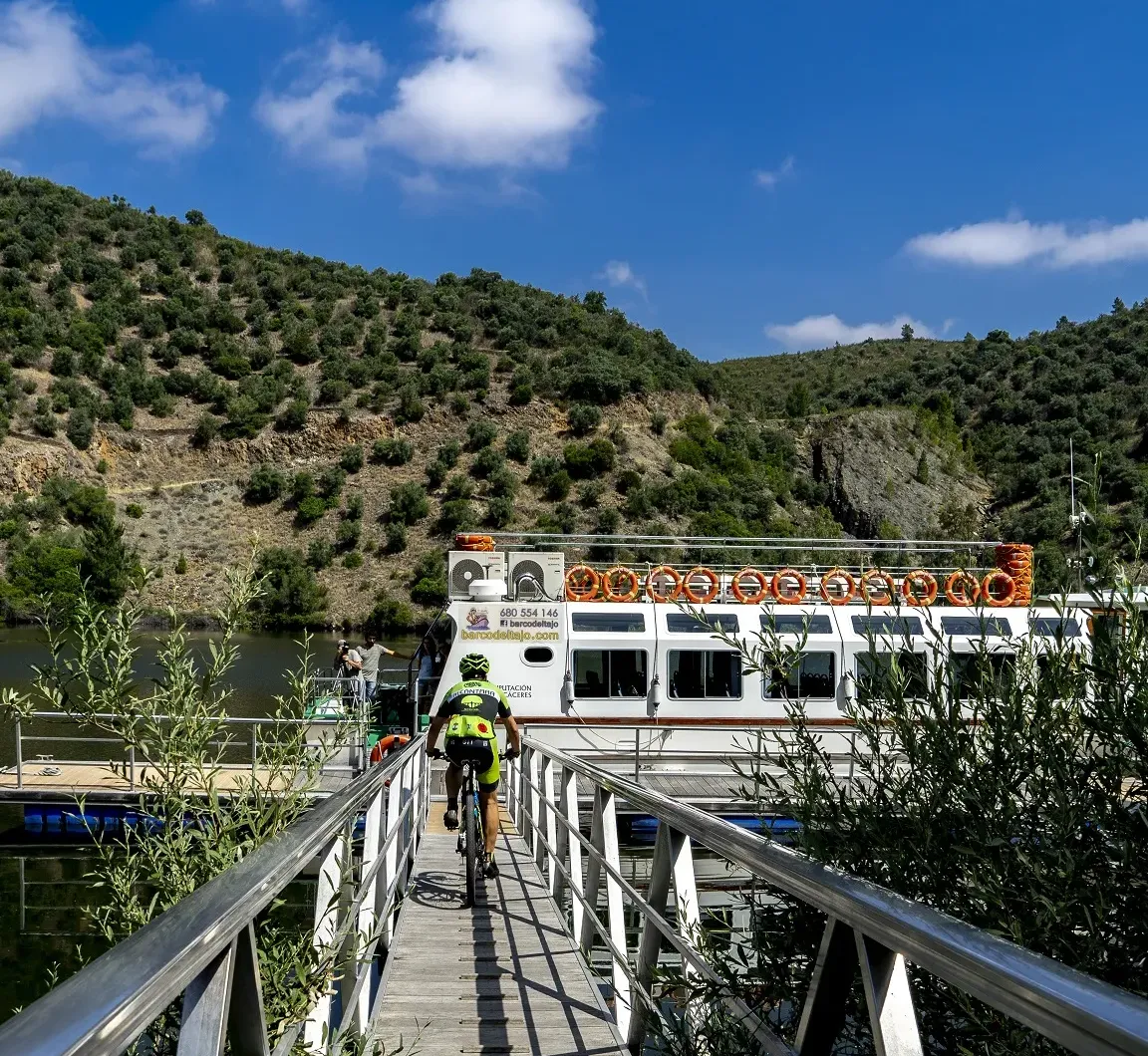
Access to the park is completely free. Some guided activities, such as birdwatching and boat trips, do have a cost, usually ranging from €10 to €25 per person. Check the options on the official website.

How much time is needed to visit the park properly?

We recommend setting aside at least one full day. You can combine short routes of 2 to 3 hours with scenic drives to strategic viewpoints. If you want to do longer hiking trails or water activities, plan for 2 days.

What historical importance does this area have?

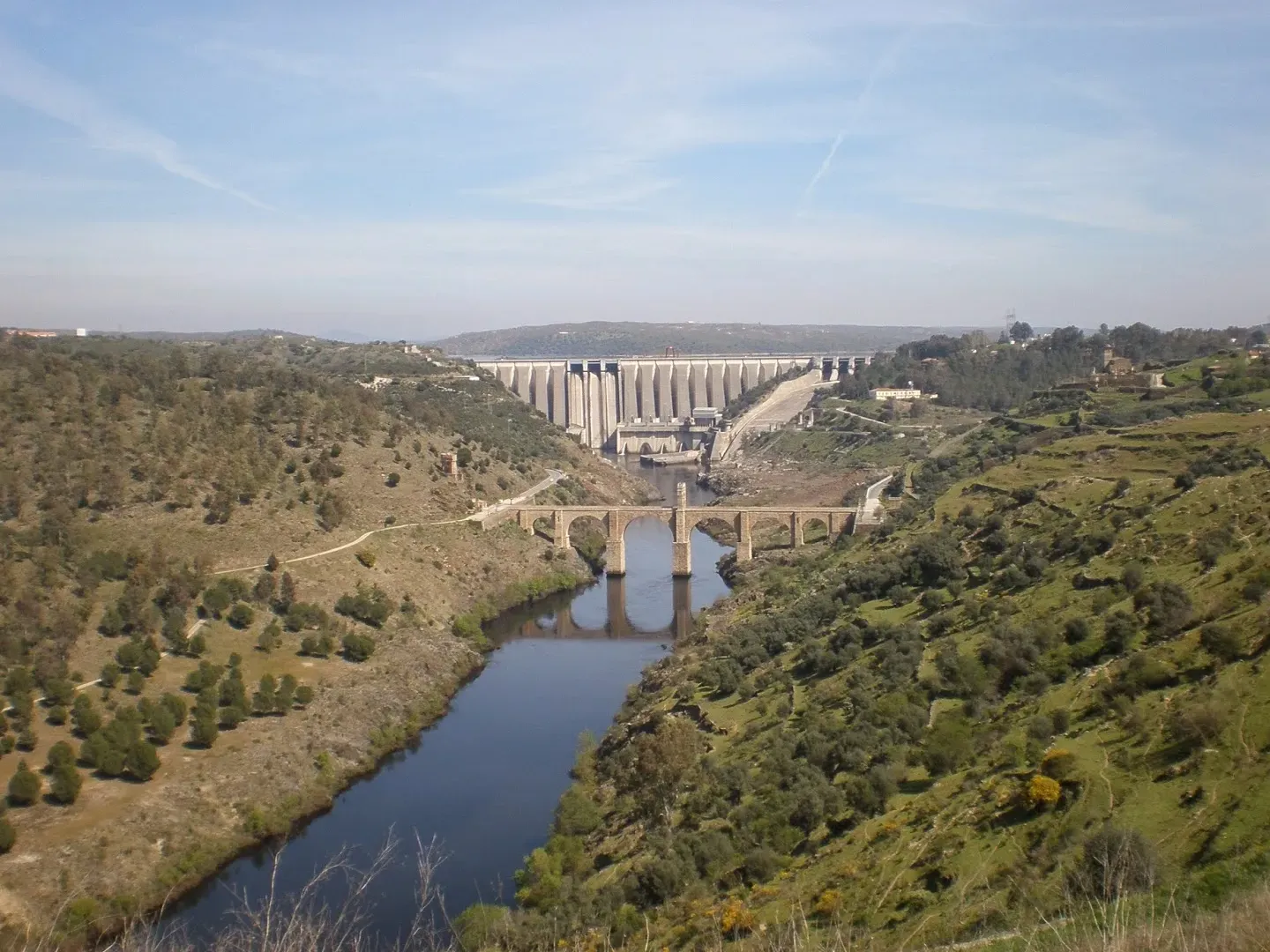
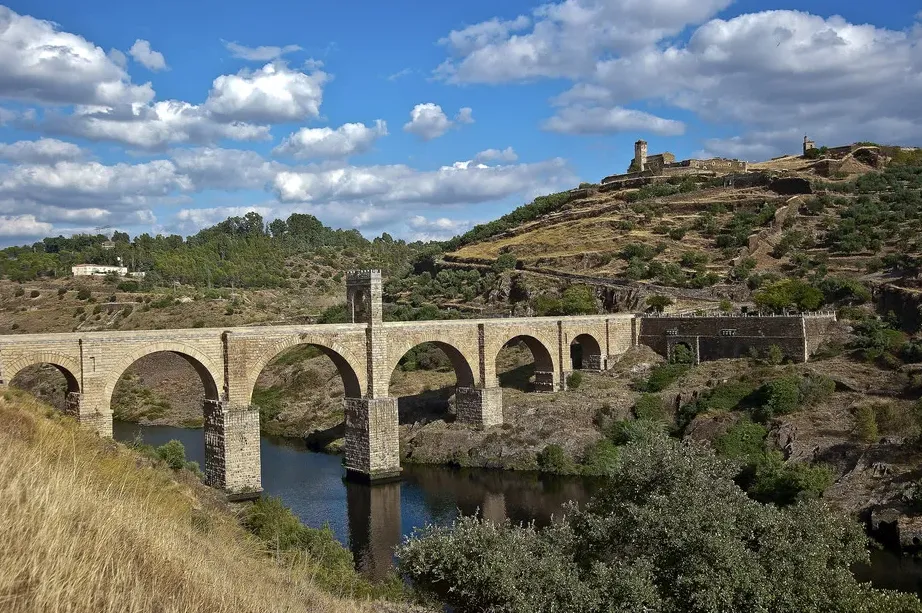
It is a Spanish-Portuguese cross-border park created in 2006 that protects 25,000 hectares. It stands out for its biodiversity, including the black stork and the Spanish imperial eagle, as well as historical remains such as Neolithic dolmens and the Roman Bridge of Alcántara, dating from the 2nd century AD.

What is the best time of year to visit?

Spring, from April to June, and autumn, from September to October, are ideal thanks to mild temperatures and greater wildlife activity. In summer, avoid the middle of the day because of the extreme heat. February is spectacular for seeing the almond trees in bloom.

Is it accessible for people with reduced mobility?

The interpretation centers have adapted access, but many routes are uneven and include steep slopes. There are 3 viewpoints accessible by car. Contact (+34) 927 390 132 for detailed accessibility information.

What other interesting places are near the park?

Do not miss the Roman Bridge of Alcántara, just 5 minutes away, and the Conventual of San Benito. Half an hour away are Brozas and Valencia de Alcántara, with their medieval castles. More ideas at alcantara.es.

What tips would you give to enjoy the visit more?

1) Bring hiking footwear and plenty of water in summer 2) Use binoculars for birdwatching 3) Download offline maps, as there are areas with no signal 4) Stop first at the Interpretation Center. Plan your route at the visitor website.

¿Prefieres escuchar en español?

🇪🇸 Escucha la audioguía de Tagus International Natural Park en español