No te vayas sin conocer la historia Suscribete
IAudioGuia iaudioguia
Audio Guides of Alicante Alacant

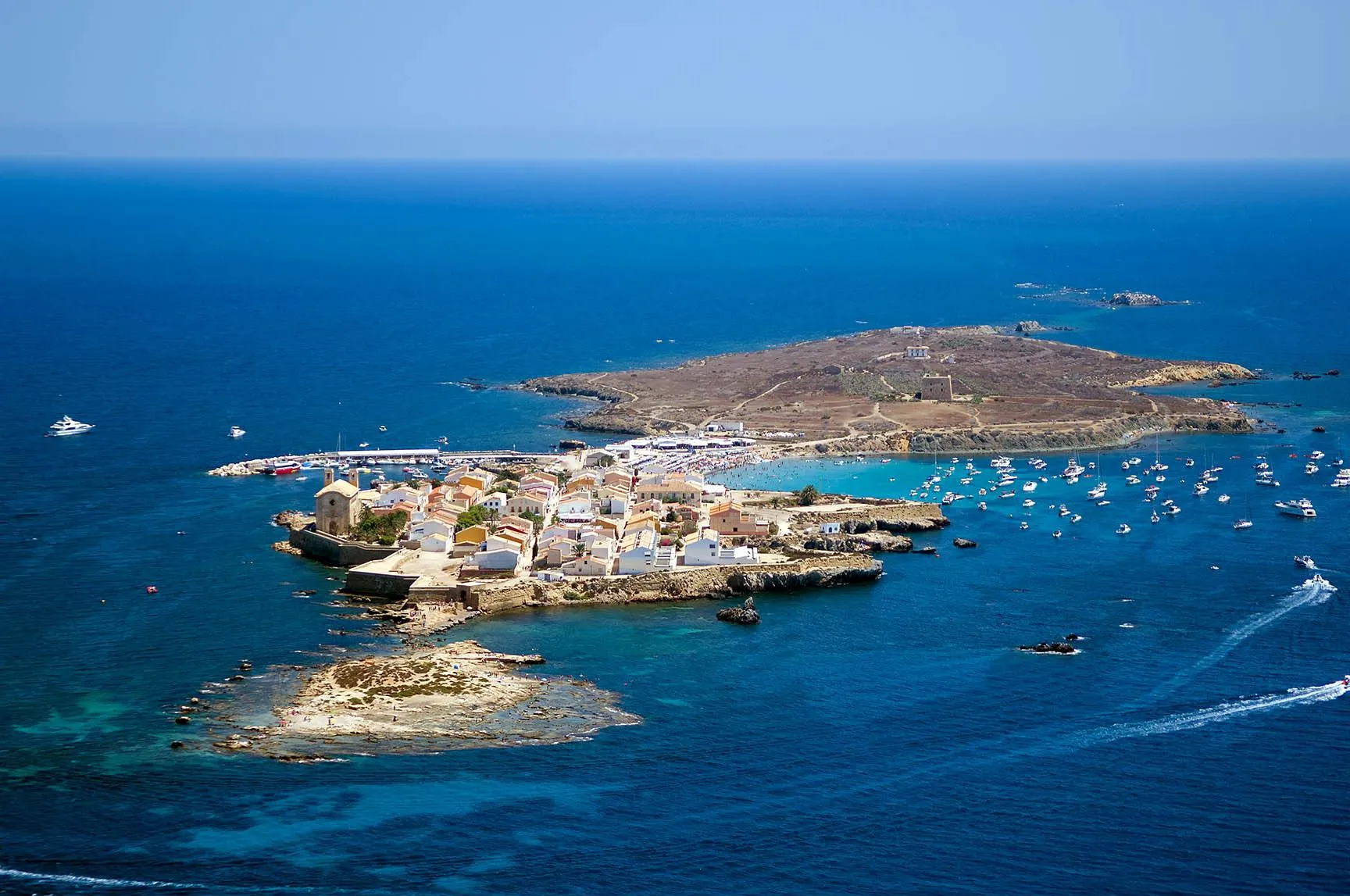
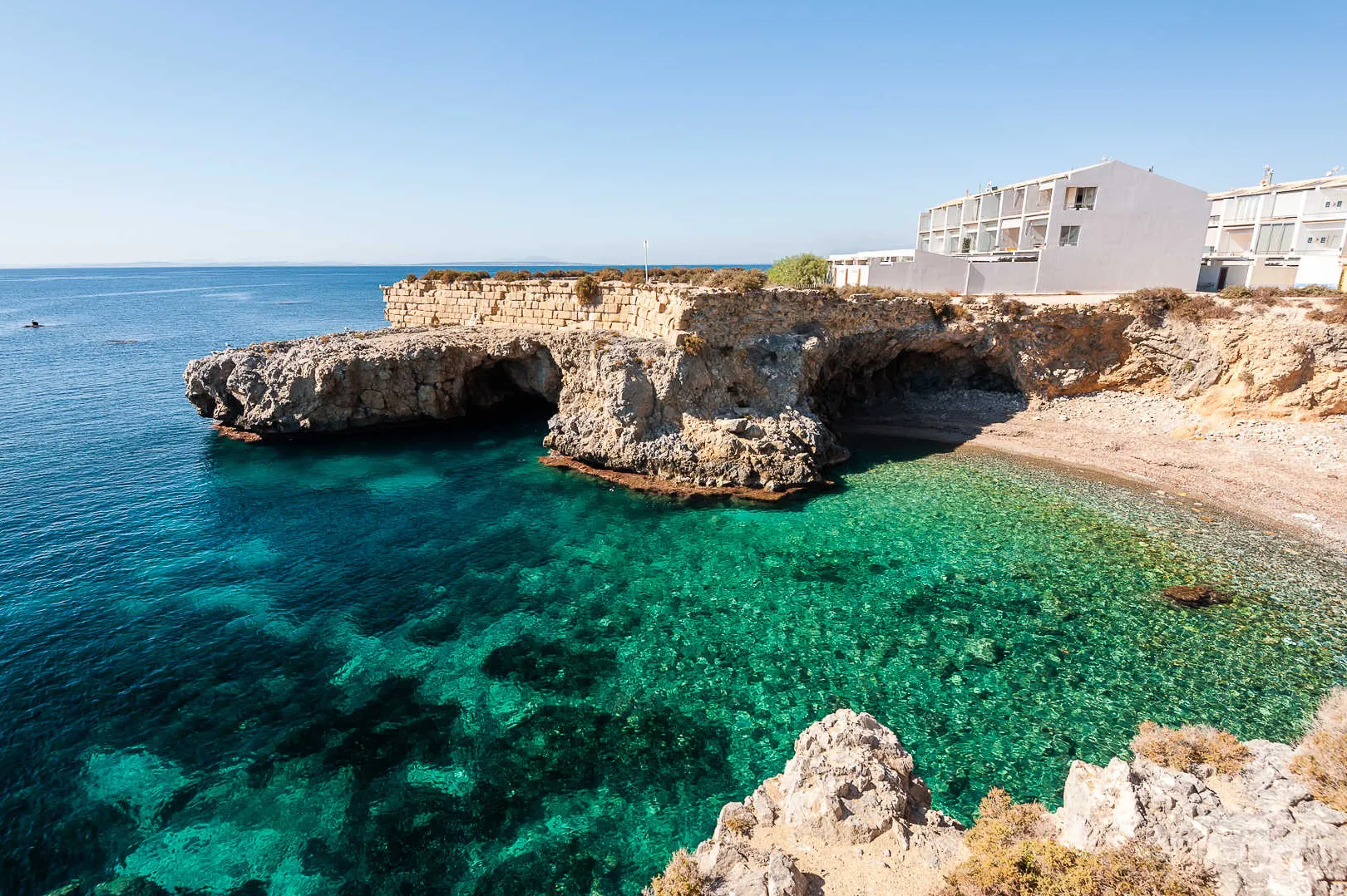
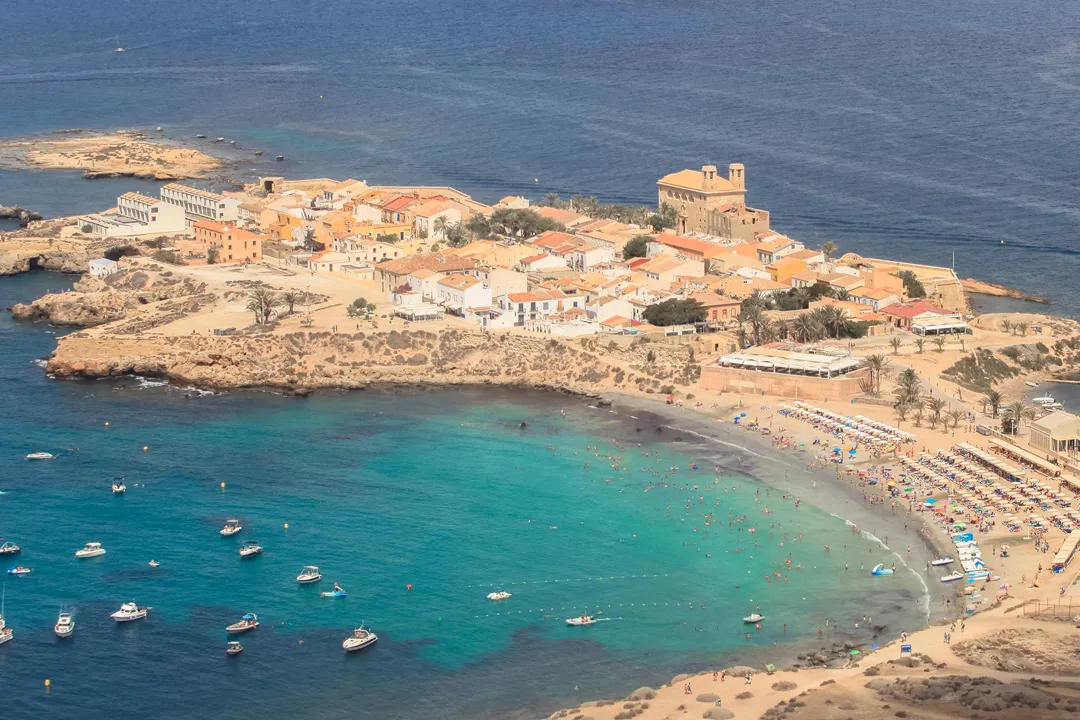
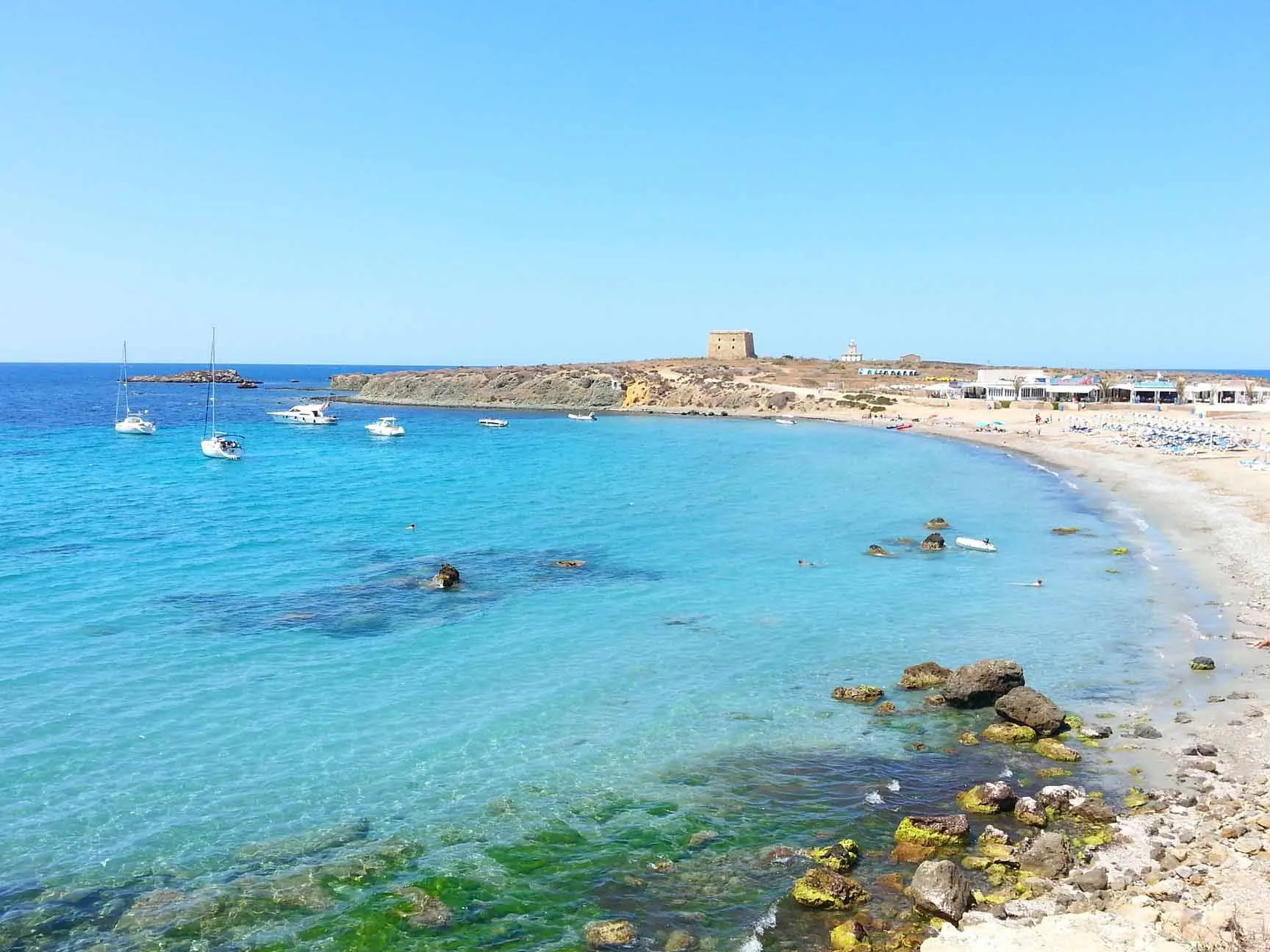
Audio Guide of Tabarca Island

Discover the history and secrets of this place with our audio guide.

✓ What guidebooks don't tell you
✓ Secrets other tourists miss
✓ Listen while you explore
Discover everything
00:00
00:00

📖 Audio Guide Chapters

8 chapters

1. Introduction

🔒 Premium Content

Subscribe to access all chapters of this audio guide.

2. History of the Island

🔒 Premium Content

Subscribe to access all chapters of this audio guide.

3. Fishermen’s Quarter

🔒 Premium Content

Subscribe to access all chapters of this audio guide.

4. Church of Saints Peter and Paul

🔒 Premium Content

Subscribe to access all chapters of this audio guide.

5. Walls of Tabarca

🔒 Premium Content

Subscribe to access all chapters of this audio guide.

6. Marine Reserve

🔒 Premium Content

Subscribe to access all chapters of this audio guide.

7. Traditional Cuisine

🔒 Premium Content

Subscribe to access all chapters of this audio guide.

8. End of the Tour

🔒 Premium Content

Subscribe to access all chapters of this audio guide.

❓ Frequently Asked Questions

What are the opening hours and how can I get to Tabarca Island?

The island is open year-round, but ferries from Santa Pola or Alicante mainly operate from April to October, with frequent departures between 9:00 am and 6:00 pm, depending on the season. You can book your ticket on the official Alicante Tourism website or directly at the port of Santa Pola (phone: +34 965 31 00 02), and the journey takes about 30–45 minutes.

How much does it cost to visit Tabarca Island, and are there any additional fees?

Admission to the island is free, but you do need to pay for the ferry, which costs around €20–25 for a round trip in high season. Children and groups usually get discounts; check updated prices at Santa Pola Tourism to avoid surprises.

How much time is needed to visit Tabarca Island?

It is recommended to spend at least 4–6 hours exploring the island on foot, enjoying the beaches, and having lunch, although a full day is ideal if you want to go snorkeling. If you are traveling by ferry, plan your schedule around the last return trip, which is usually around 6:00 pm.

What is the history or cultural importance of Tabarca Island?

Tabarca is a former Phoenician and Roman fishing settlement, declared a Historic-Artistic Site in 1935 for its 18th-century walls and its role in Alicante’s maritime history. It is a cultural treasure thanks to its traditional fishing harbor and its designation as a protected marine reserve since 1986.

What is the best time of year or day to visit Tabarca Island?

Summer (June to September) is ideal for enjoying the beaches and swimming, but spring (April–May) or autumn (September–October) offer fewer crowds and pleasant weather. Go early in the morning to avoid the heat and have more time on the island before the tours arrive.

Is Tabarca Island accessible for people with reduced mobility?

Ferry access is generally accessible, but once on the island, the cobbled terrain and slopes make it challenging for wheelchairs or people with reduced mobility; there is no internal transport. I recommend contacting the ferry operator for assistance options, such as those listed at Alicante Tourism.

What other attractions are near Tabarca Island?

Nearby, in Santa Pola, you can visit the Santa Pola Lighthouse or the Salt Flats, and in Alicante, Santa Bárbara Castle is just 20 km away. A great combination is to explore Alicante’s harbor before taking the ferry; more info at Visit Costa Blanca.

What practical tips can help me make the most of my visit to Tabarca Island?

Bring sunscreen, water, and comfortable shoes for walking the trails; book the ferry in advance during high season through Tabarca Ferry. Try the local lobster stew at a local restaurant and respect the marine reserve rules by avoiding plastics on the beach.

¿Prefieres escuchar en español?

🇪🇸 Escucha la audioguía de Tabarca Island en español