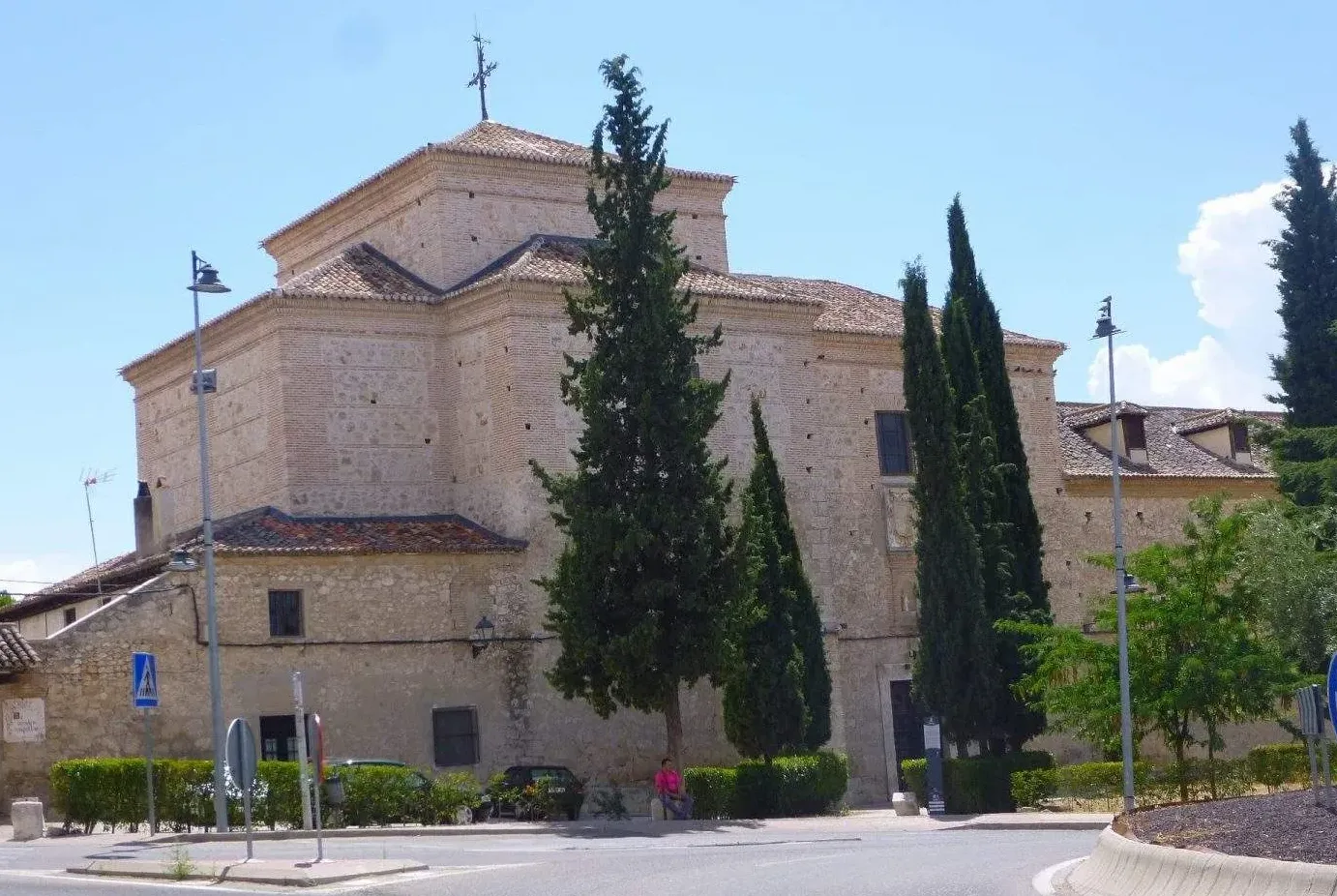
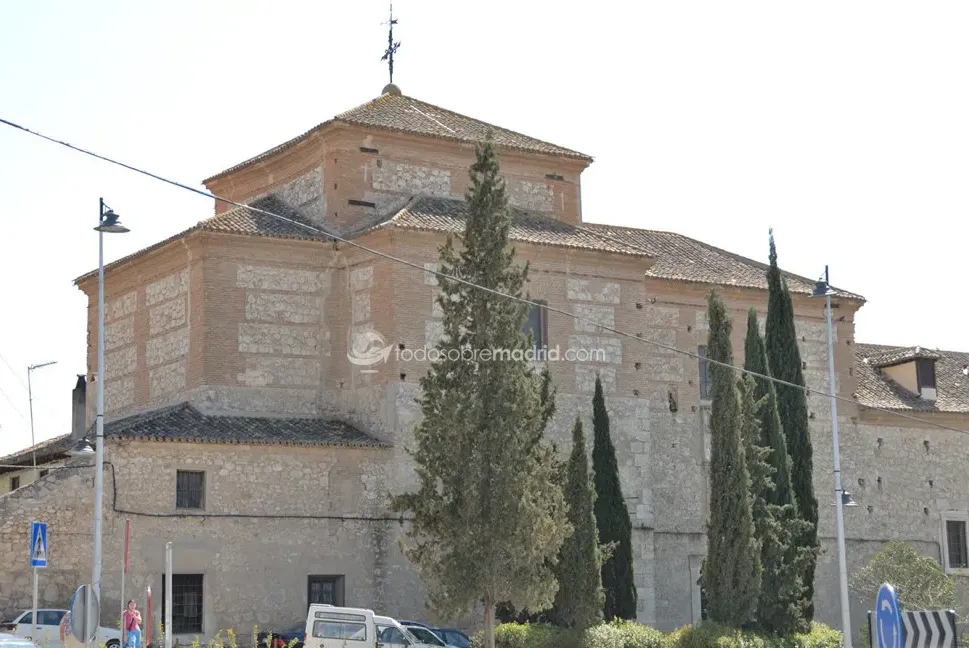
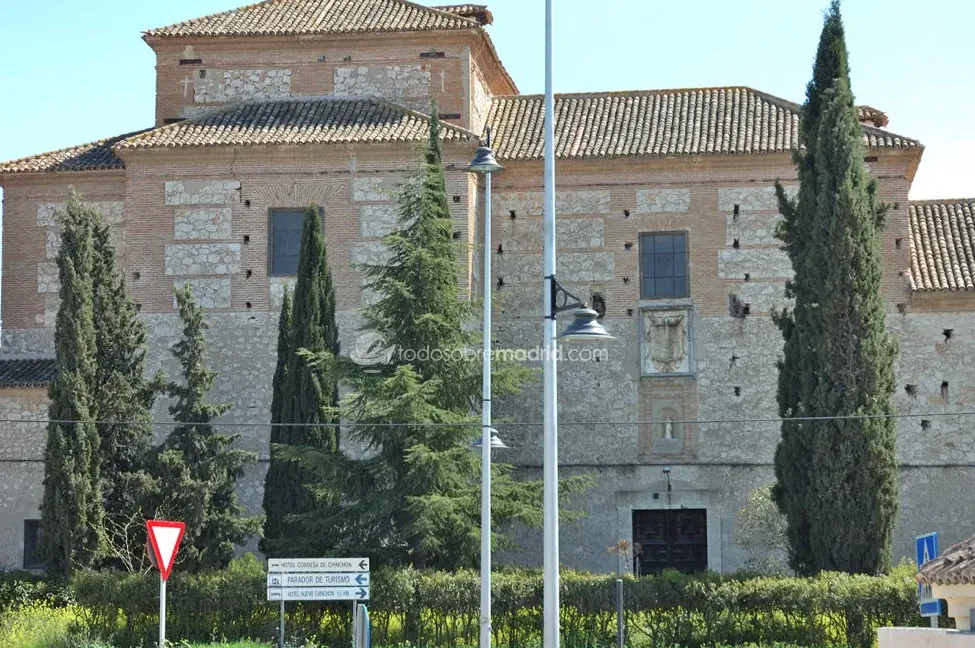
¿Sabías que detrás de estas rejas se cuecen los dulces más adictivos de Chinchón y se esconden dramas de nobles caídos?
The Convent of the Poor Clares usually opens to the public during limited hours, generally in the morning and afternoon, but it is important to check in advance, as they may vary. It is not always possible to access all areas; visits often focus on the church or the turnstile for buying sweets. I recommend contacting the convent directly to confirm current opening hours before your visit. You can find their phone number in tourist guides or on the Chinchón Town Hall website.
Entry to the church of the Convent of the Poor Clares is usually free. However, if special guided tours are offered or access is granted to restricted areas that are not normally open to the public, a fee may apply. Most commonly, a visit to admire its architecture and history is free of charge. Do not forget that you can support the convent by buying their famous handmade sweets through the turnstile.
For a standard visit to the church and a general look around the Convent of the Poor Clares, you should allow between 20 and 40 minutes. If you stop to admire the artistic details, or if you have the chance to buy sweets and spend a moment at the turnstile, the visit may take a bit longer. Keep in mind that this is not an in-depth visit like a museum with many rooms.
The Convent of the Poor Clares, also known as the Convent of the Immaculate Conception, is of great historical importance in Chinchón. Founded in the 17th century, it has been a center of religious and charitable life, safeguarding important works of art and keeping monastic traditions alive, such as sweet-making. Its presence has shaped the town’s landscape and social life for centuries, standing as a silent witness to its evolution. It is a key site for understanding the town’s historical and artistic heritage.
The best time to visit the Convent of the Poor Clares, and Chinchón in general, is usually in spring or autumn, when the weather is milder and more pleasant for walking. During the day, try to go early in the morning or late in the afternoon to avoid the middle of the day, especially in summer. This will let you enjoy the peaceful atmosphere and, if it is sunny, better light for photography. Avoid public holidays if you are looking for more tranquility.
Accessibility at the Convent of the Poor Clares may be limited for people with reduced mobility, especially in certain historic areas. The main church is usually easy to access, but some areas may have steps or uneven flooring. I strongly recommend contacting the convent directly before your visit to learn about the specific accessibility conditions at that time and to plan accordingly. They are usually very kind and will be able to give you the most accurate details.
Chinchón is full of charm and has many interesting places within a short distance of the Convent of the Poor Clares. You should not miss the impressive Main Square, one of the most beautiful in Spain; the Castle of the Counts, although it can only be seen from the outside; the Church of the Assumption, which houses a work by Goya; and a walk through the picturesque cobbled streets. You can also visit the Lope de Vega Theatre. It is a small and very walkable town.
Without a doubt, the best advice for your visit to the Convent of the Poor Clares is to go to the turnstile and buy some of the handmade sweets prepared by the nuns. They are delicious and a wonderful way to support the convent. By doing so, you will also briefly see how the turnstile works, which is a very traditional custom. If you are interested in monastic life or Baroque architecture, take your time to observe the details of the church. For more information about Chinchón, I recommend visiting the official Chinchón Tourism website.
¿Prefieres escuchar en español?
🇪🇸 Escucha la audioguía de the Convent of the Poor Clares en español