Discover the Monastery of Sant Cugat in Sant Cugat del Vallès. A unique experience to learn about its history and significance.
The Monastery of Sant Cugat has seasonal opening hours. In general, access to the church is free during worship hours. To visit the cloister and the museum, you should check the specific schedules on its official website. It is recommended to allow plenty of time, as there is a lot to see. You can check the updated hours on the official page of the Sant Cugat Museum. The address is Plaça Octavià, s/n, 08172 Sant Cugat del Vallès, Barcelona.
Entry to the monastery church is usually free for ప్రారayer and short visits to the temple. However, there is an admission fee to access the impressive Romanesque cloister and the museum. Prices may vary, and discounts are often available for students, seniors, or groups. I recommend checking the exact prices and any possible discounts on the museum's official website before your visit.
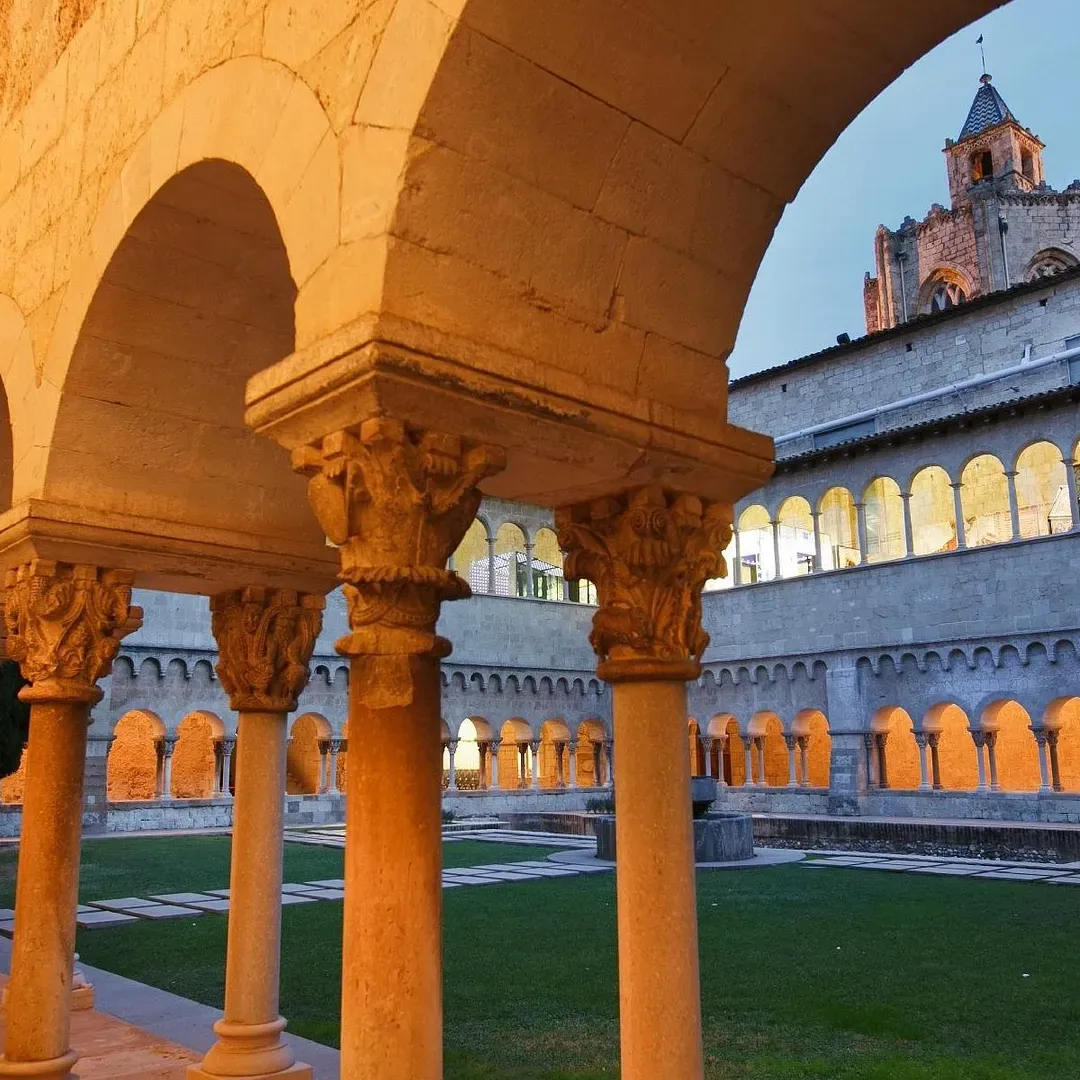
For a full experience and to enjoy the cloister, museum, and church, I would recommend setting aside between 1.5 and 2 hours. The cloister is spectacular and well worth taking time to observe the details of its capitals, and the museum offers an interesting perspective on the history of the monastery and the town. If you enjoy photography or history, you may need a little more time to take it all in at a relaxed pace.
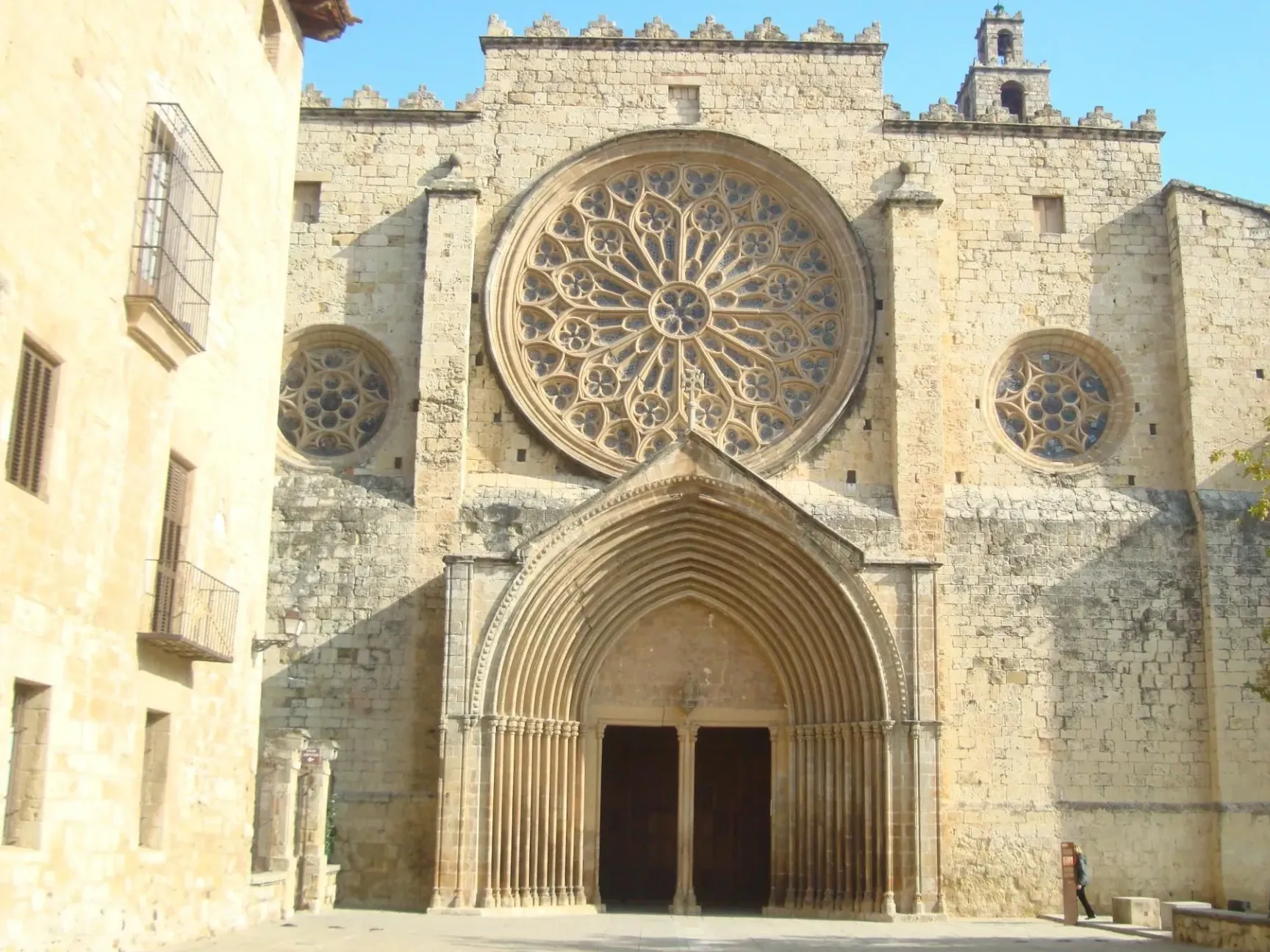
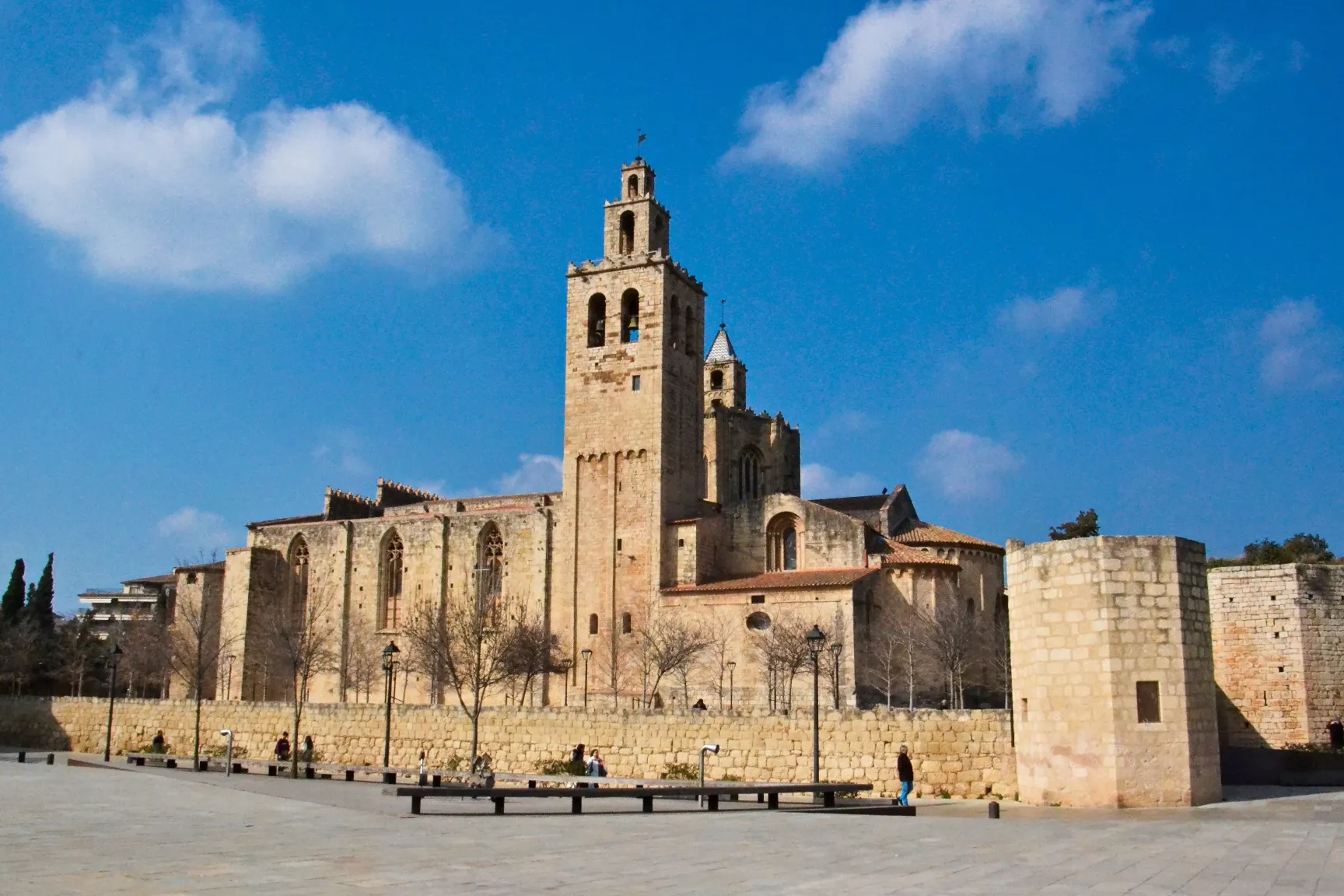
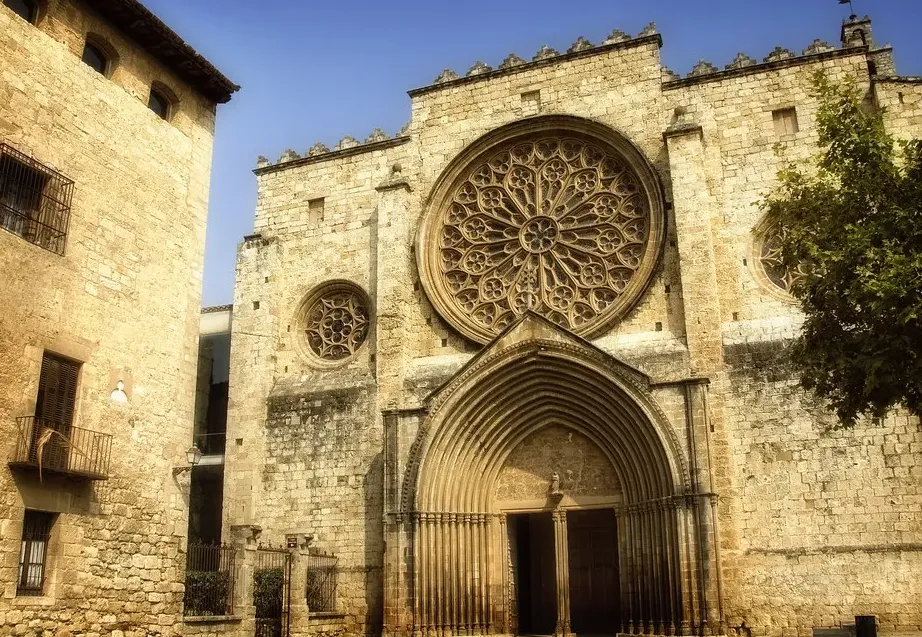
The Monastery of Sant Cugat has enormous historical and cultural importance, being one of the most outstanding Romanesque monastic complexes in Catalonia. It was a powerful center of authority and culture during the Middle Ages, with a very active scriptorium. Its impressive cloister, with 144 carved capitals, is a jewel of Romanesque art. Visiting it is like traveling through centuries of Catalan history and understanding its influence on the region. To learn more, you can visit the history section on the museum website.
To avoid crowds and enjoy a quieter visit, I suggest avoiding spring and autumn weekends, which are usually the busiest. If you can, visit on a weekday, early in the morning or late in the afternoon. As for the best time of year, May, June, September, and early October usually offer pleasant weather and fewer visitors than peak summer. The evening light in the cloister is wonderful for photographers.
Yes, the Monastery of Sant Cugat has made efforts to be accessible. The cloister, church, and much of the museum are accessible for people with reduced mobility and wheelchair users. It is still advisable to contact them in advance if you have specific needs so they can better assist you and confirm any particular details. You can call or check the accessibility section of their website for more details.
Sant Cugat offers several interesting places very close to the monastery. You can stroll through the beautiful Collserola Park, ideal for hiking or cycling, with access to magnificent viewpoints. I also recommend walking through the town's historic center, with its pedestrian streets and shops. If you are interested in art, Mercat Vell is a Modernist building worth seeing. To plan your day better, you can check the Sant Cugat Tourism website.
To make the most of your visit, I suggest downloading an audio guide or looking up some information online beforehand about the cloister capitals, as each one tells a story. Wear comfortable shoes, especially if you plan to explore the surroundings. Don't forget your camera, because the cloister is a very photogenic place. If you have time, sit in the center of the cloister and enjoy the peace and atmosphere of the place; it is a unique experience. And finally, consider using a mobile audio guide from iaudioguia.com to enrich your tour with historical details and curiosities.
¿Prefieres escuchar en español?
🇪🇸 Escucha la audioguía de Monastery of Sant Cugat en español