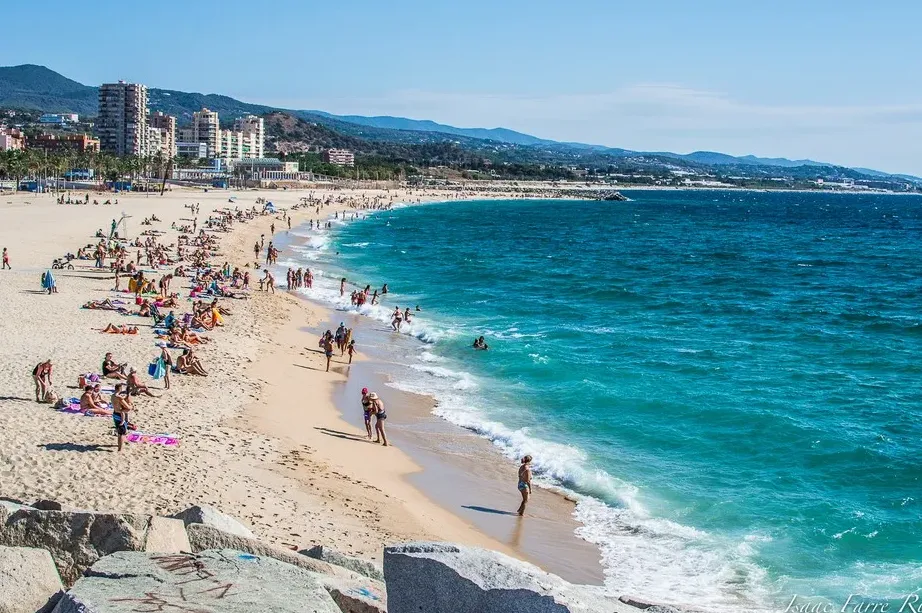
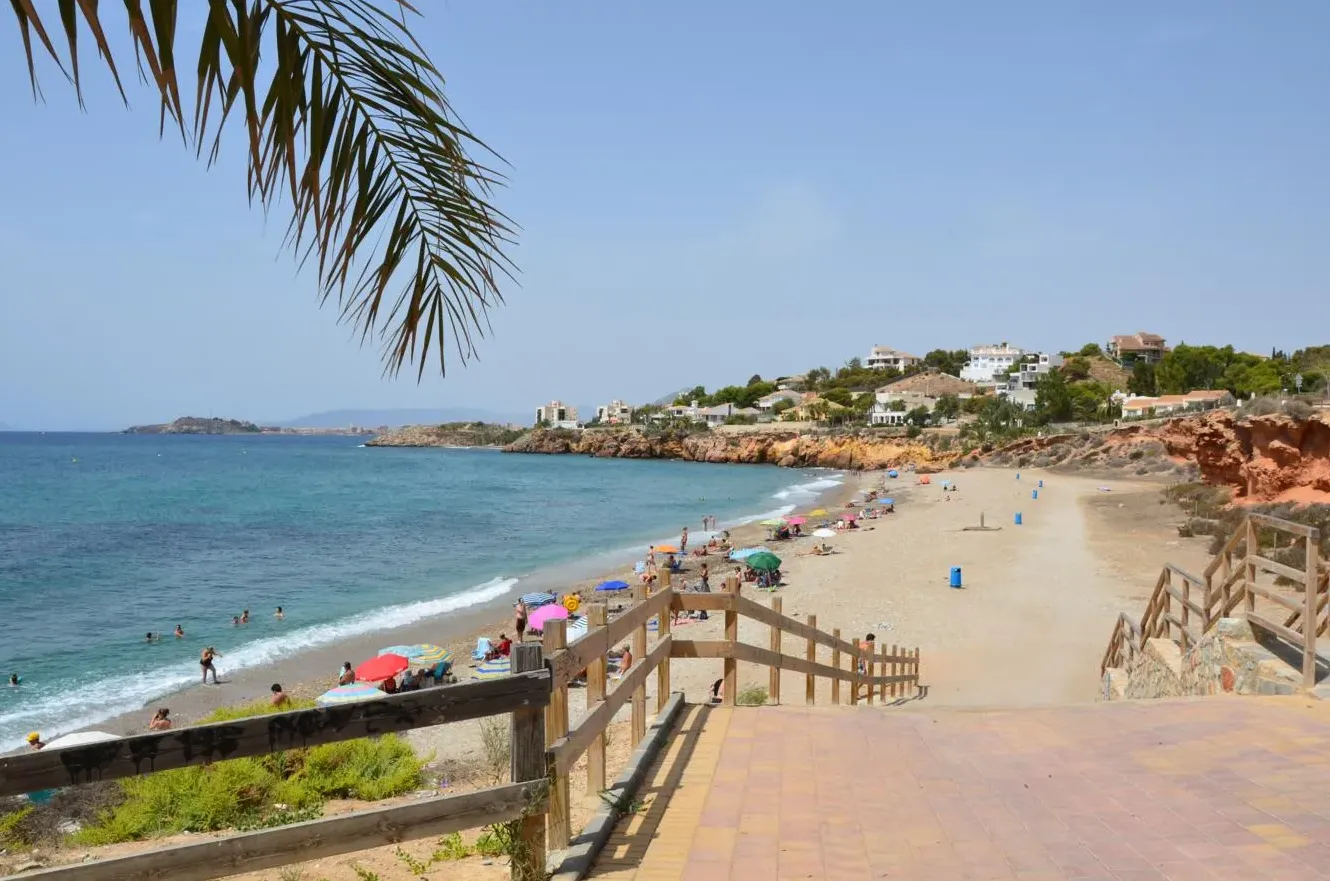
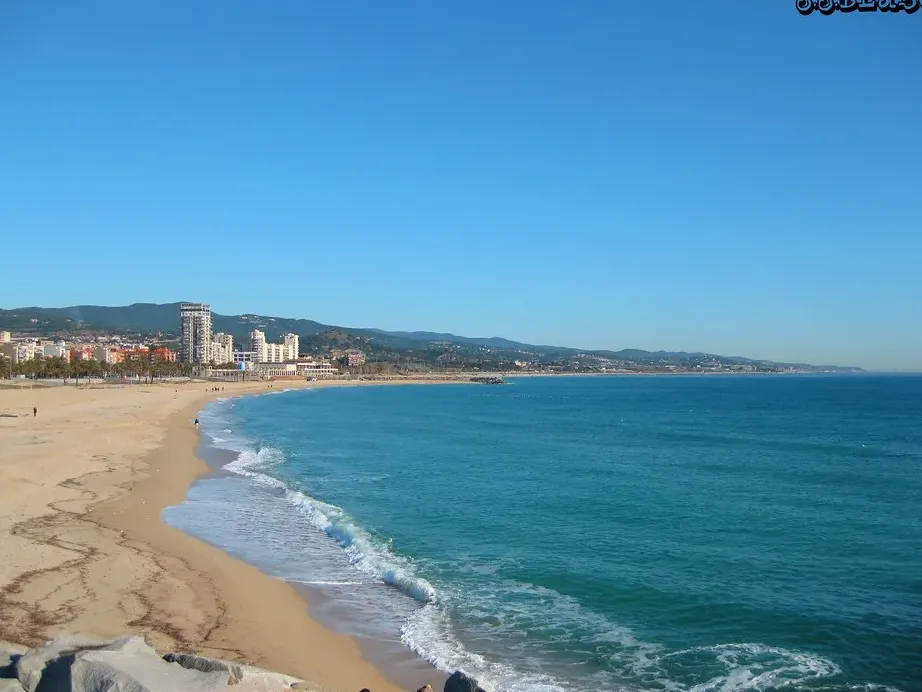
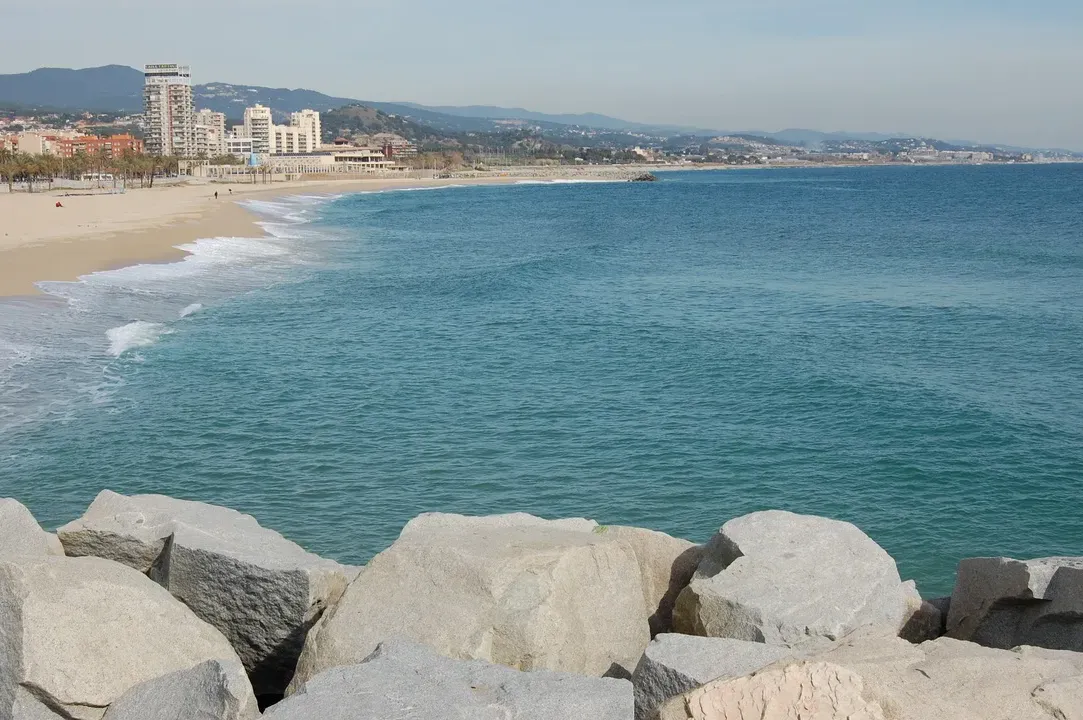
A journey through Mataró’s coastal charm, exploring its history, spaces, and cultural significance.
The beaches are freely accessible all year round, although services such as lifeguards and showers usually operate from June to September. You can easily get there on foot from the town center or by public transport. More details at the Mataró Tourist Office.
Yes, access is completely free. You only have to pay if you use additional services such as sun lounger rentals (€5–7/day) or parking in regulated areas (approx. €1.80/hour in summer).
Set aside at least 2–3 hours to relax and swim. If you want to walk along the entire seafront promenade (2.5 km) and stop at the beach bars, you can easily spend half a day there.
They witnessed the arrival of Spain’s first railway line (Barcelona–Mataró in 1848) and preserve old 19th-century bathing establishments. In the Varador area, there are underwater Roman archaeological remains. More history at the Mataró Museum.
June to September for swimming and atmosphere (20–28°C). For quieter walks: April–May or September–October. Avoid the middle of the day in summer (12:00–17:00) because it is busier.
Yes, Central and Varador beaches have wooden walkways, adapted showers, and a free amphibious chair service (advance booking at 937 900 900). There are also adapted toilets along the promenades.
5 minutes away: the Basilica of Saint Mary (16th century) and Casa Coll i Regàs (Modernisme). 10 minutes by car: Cape Sant Simó (a spectacular viewpoint) and the Caminito del Mar route. More suggestions at Costa Brava Ciutat.
1) Water shoes are recommended: some areas have small stones 2) Bring your own umbrella (rentals run out quickly in July–August) 3) Enjoy the promenade at dawn: you’ll see local fishermen repairing their nets.
¿Prefieres escuchar en español?
🇪🇸 Escucha la audioguía de the Beaches of Mataró en español