Discover the Zamora Holy Week Museum in Zamora. A unique experience to learn about its history and significance.
The Zamora Holy Week Museum has seasonal opening hours. It is generally open from Tuesday to Sunday and closed on Mondays. I recommend checking the exact opening times on its official website before your visit to avoid surprises. To get there, it is located in the center of Zamora, very close to Zamora Cathedral and Zamora Castle, and is easily reachable on foot from anywhere in the historic center. You can check the exact location on Google Maps: Zamora Holy Week Museum on Google Maps.
Yes, the Zamora Holy Week Museum charges a general admission fee. There are usually discounts for students, retirees, groups, and children. Public holidays or special events may occasionally offer free admission or promotions, but this is exceptional. The best option is to check the latest prices directly at the ticket desk or on the museum's website if they have a pricing section. Contact information: Phone: +34 980 53 27 06.
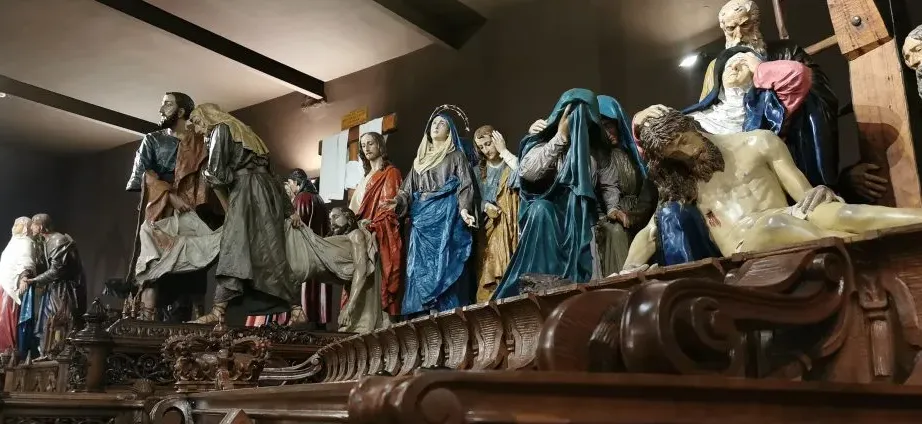
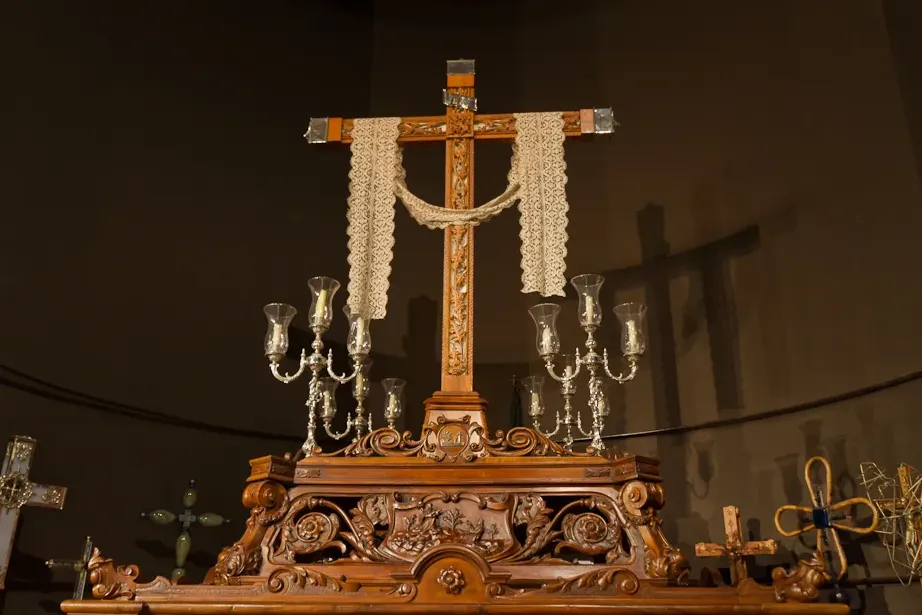
To fully enjoy the Zamora Holy Week Museum, I suggest allowing between 1 hour and 1 hour 30 minutes. This will give you enough time to walk through the galleries at a relaxed pace, admire the processional floats, and understand their significance without feeling rushed. If you are especially interested in Holy Week or sacred art, you may want to spend a little longer.
Zamora Holy Week is one of the oldest and most deeply rooted in Spain, and it has been declared an event of International Tourist Interest. It stands out for its austerity, the silence of its processions, and the astonishing artistic quality of its sculptures and processional floats, many of them masterpieces of sculpture. The museum preserves and displays a fundamental part of this heritage, showing the deep bond between the city, its faith, and its tradition. For more information, you can visit the Zamora Holy Week Association: Zamora Holy Week.
The best time to visit the museum and avoid large crowds is usually in the morning, shortly after opening. Avoid the days close to Holy Week (March/April), as this is when tourist demand in Zamora is at its highest. Weekdays (Tuesday, Wednesday, or Thursday) are usually quieter. In general, spring and autumn are pleasant times to visit Zamora.
Yes, the Zamora Holy Week Museum is designed to be accessible. It has ramps and elevators that make all floors easy to reach, allowing people with reduced mobility or wheelchair users to enjoy the entire exhibition without difficulty. It is always advisable to contact the museum in advance if you have any specific needs, so you can confirm details and plan your visit.
Plenty! The museum is right in the historic center. Very close by you will find the impressive Zamora Cathedral, a Romanesque gem, and Zamora Castle. You can also stroll through the old quarter, discover its Romanesque churches (Zamora is known as the city of Romanesque architecture), see the Stone Bridge over the Duero, and of course enjoy the excellent local cuisine in its bars and restaurants.
My advice is to take your time. The sculptures and the details of the processional floats are impressive, so pause for a moment to appreciate them up close. If you are interested in photography, ask whether flash is allowed, as it is often restricted to protect the artworks. And of course, do not forget to enjoy Zamora's Holy Week itself if you have the chance to visit at that time of year. For general tourist information about Zamora, you can visit Zamora Tourism.
¿Prefieres escuchar en español?
🇪🇸 Escucha la audioguía de Zamora Holy Week Museum en español