Discover the history and secrets of this place with our audio guide.
Aljafería Palace has opening hours that vary slightly depending on the season, so it is best to check them in advance. It is generally open in the mornings and afternoons, and closed on Mondays. To plan your visit, I recommend checking the official Palace website or the Zaragoza Tourist Office for the most up-to-date hours and guided tour options. You can find detailed information on the official website of the Parliament of Aragon, where Aljafería Palace is located: Opening hours and prices.
General admission to Aljafería Palace costs around 5 euros. There are reduced rates for students, pensioners, and groups, as well as free entry on certain days and at certain times, usually on Sunday afternoons, but it is important to confirm this in advance. Be sure to check the specific conditions and whether you qualify for any of these categories on the Parliament of Aragon website: Opening hours and prices.
To fully enjoy Aljafería Palace and take in its beauty and history, I recommend allowing at least 1.5 to 2 hours. If you like reading every information panel carefully or tend to stop and admire every architectural detail, you may want to stay a little longer. The idea is not to rush and to soak up the atmosphere.
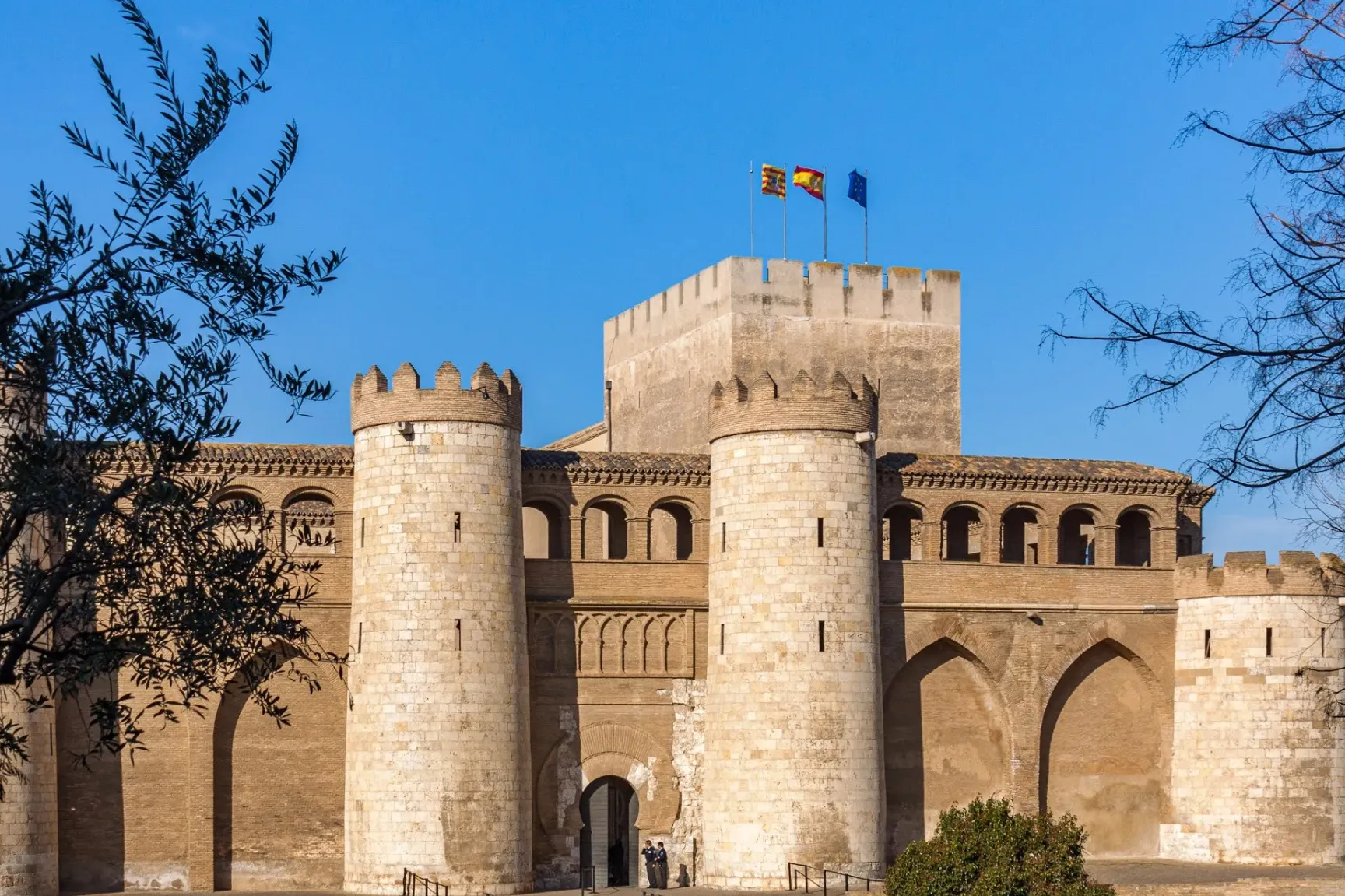
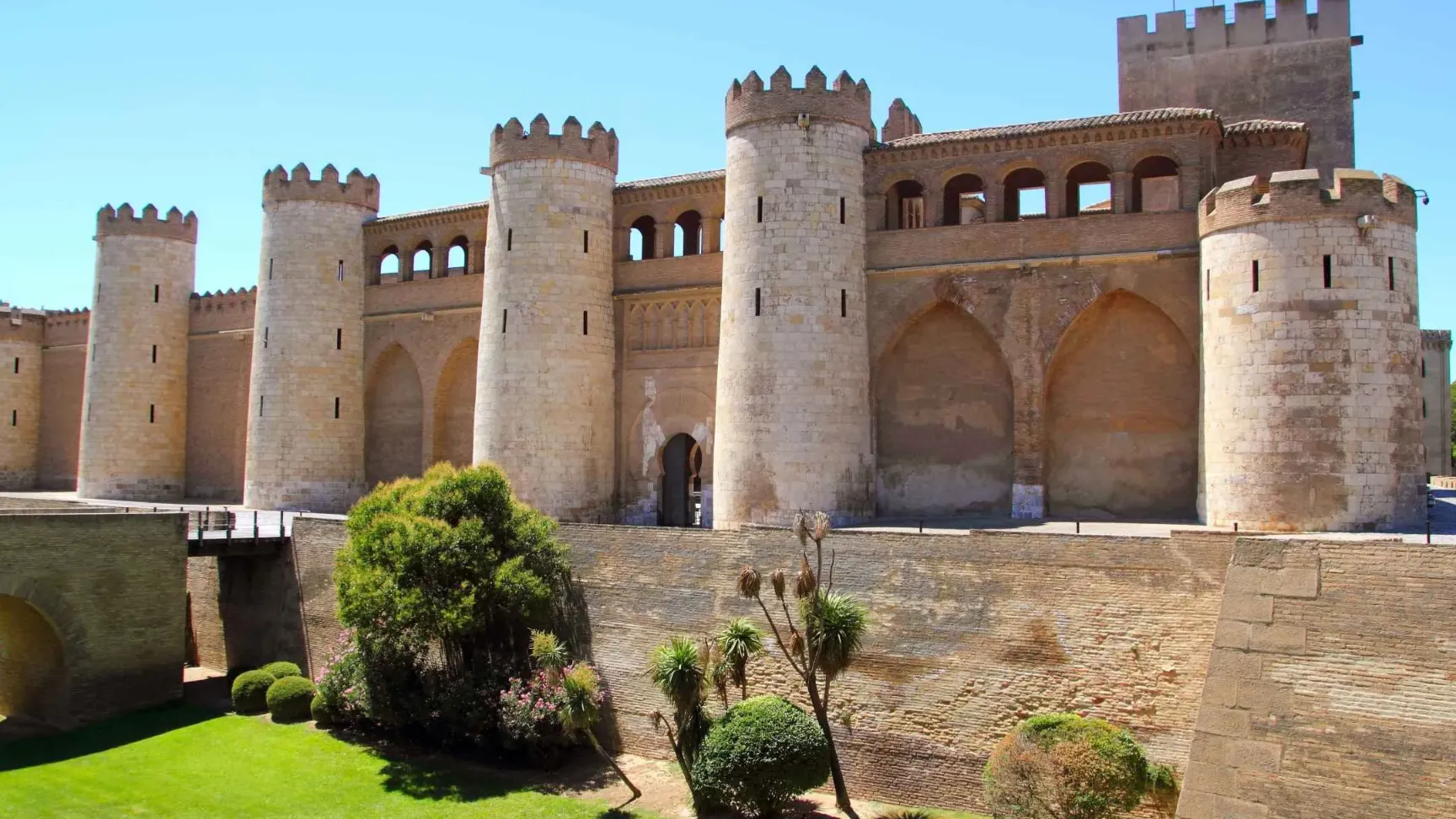
Aljafería Palace is a historical jewel, one of the most important Islamic buildings in Spain outside Andalusia, and an exceptional example of 11th-century Taifa art. It has been a royal residence, a fortress, and today it is the seat of the Aragonese Parliament. Its blend of Islamic, Mudéjar, Gothic, and Renaissance styles makes it a unique place that tells centuries of Spain’s history. It is a must-see to understand the cultural richness of the Iberian Peninsula.
For a quieter experience, I suggest visiting Aljafería Palace first thing in the morning, just after opening, or late in the afternoon. As for the best time of year, spring and autumn are ideal thanks to their mild temperatures and lighter visitor numbers than in peak summer. Avoid public holidays and long weekends if you do not like crowds.
Yes, Aljafería Palace is adapted for people with reduced mobility and wheelchair users in much of the site. It has ramps and lifts to make most visitor areas accessible. Even so, I recommend contacting the Palace directly (Tel: +34 976 28 96 85) or checking its official website for specific accessibility details for your visit: Accessibility information.
Once you leave Aljafería Palace, you have several interesting options in Zaragoza. The palace is relatively close to the center, so you can walk to the Basilica of Our Lady of the Pillar and La Seo Cathedral, two of the city’s landmarks located not far away. You can also explore the Old Town with its winding streets, the historic Jewish Quarter, or enjoy the banks of the Ebro River. There are plenty of options.
Absolutely. My first tip is to book your tickets online if possible to avoid queues, although at Aljafería this is not usually as essential as at other places. Wear comfortable shoes, as there is a lot to walk through and admire. Consider using an audio guide or joining a guided tour to dive deeper into the history. And most importantly, take your time, notice the details, and let yourself be amazed by the beauty of this unique place. Do not forget your camera—the photos you take will be wonderful.
¿Prefieres escuchar en español?
🇪🇸 Escucha la audioguía de Aljafería Palace en español