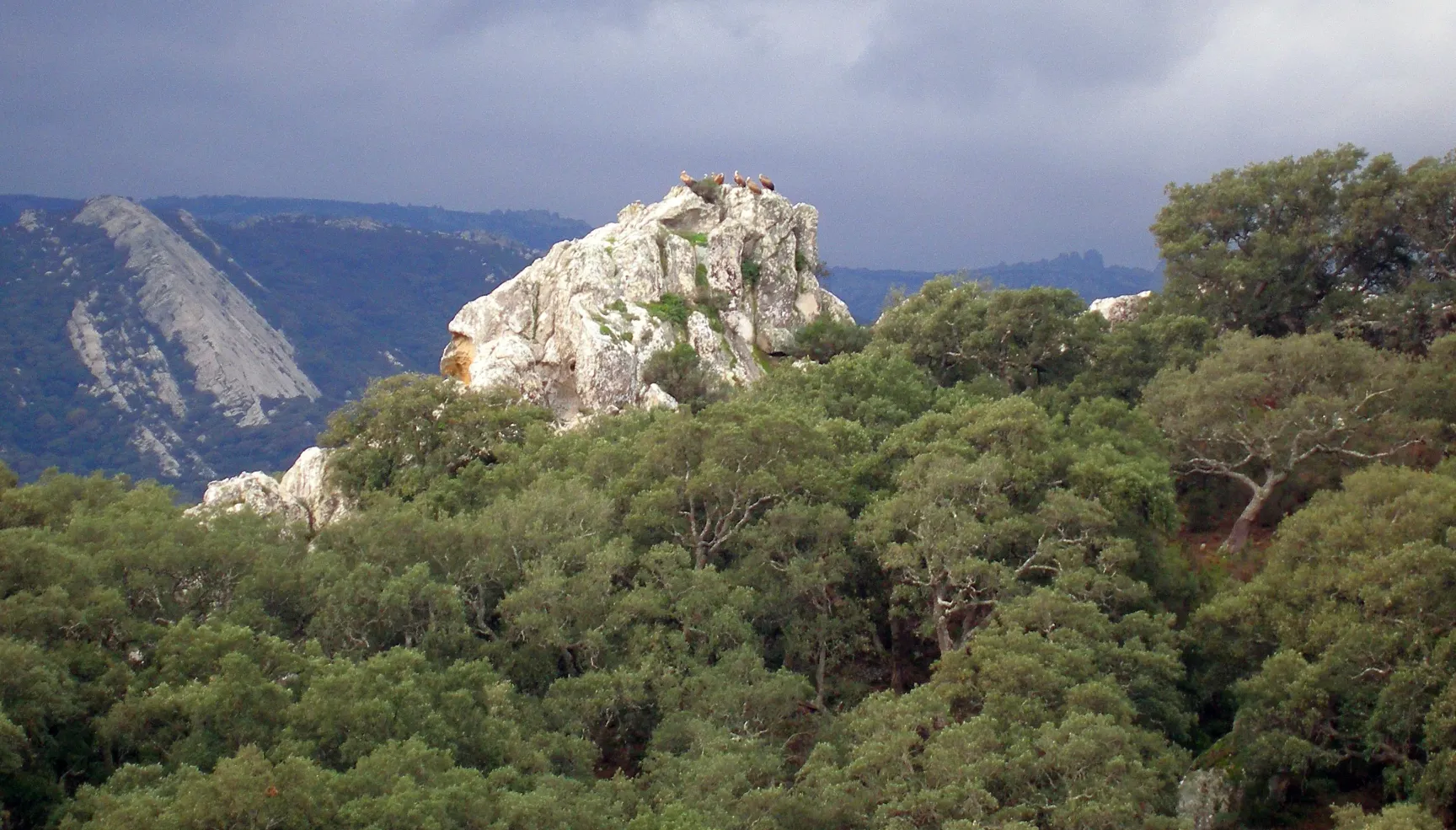
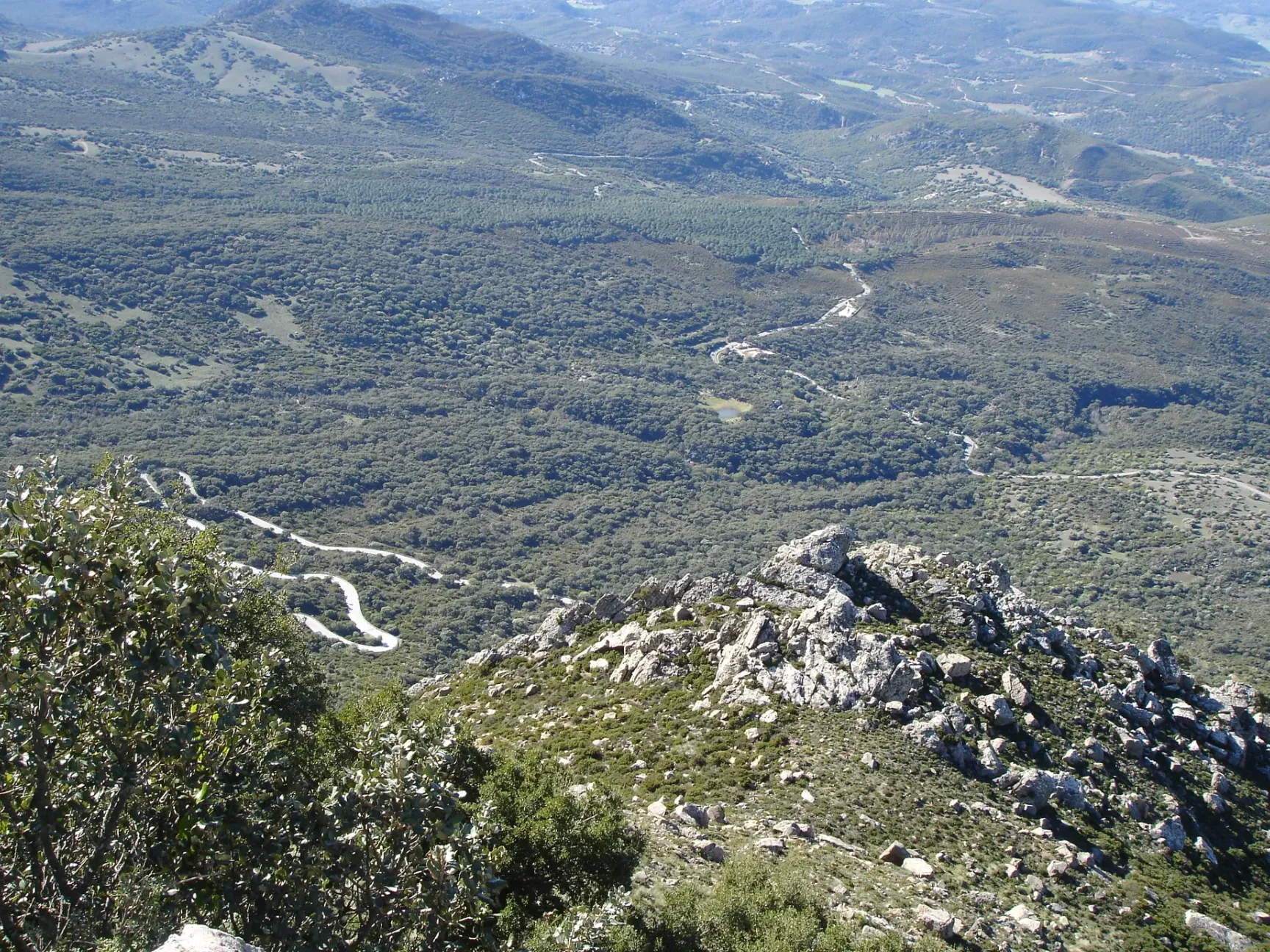
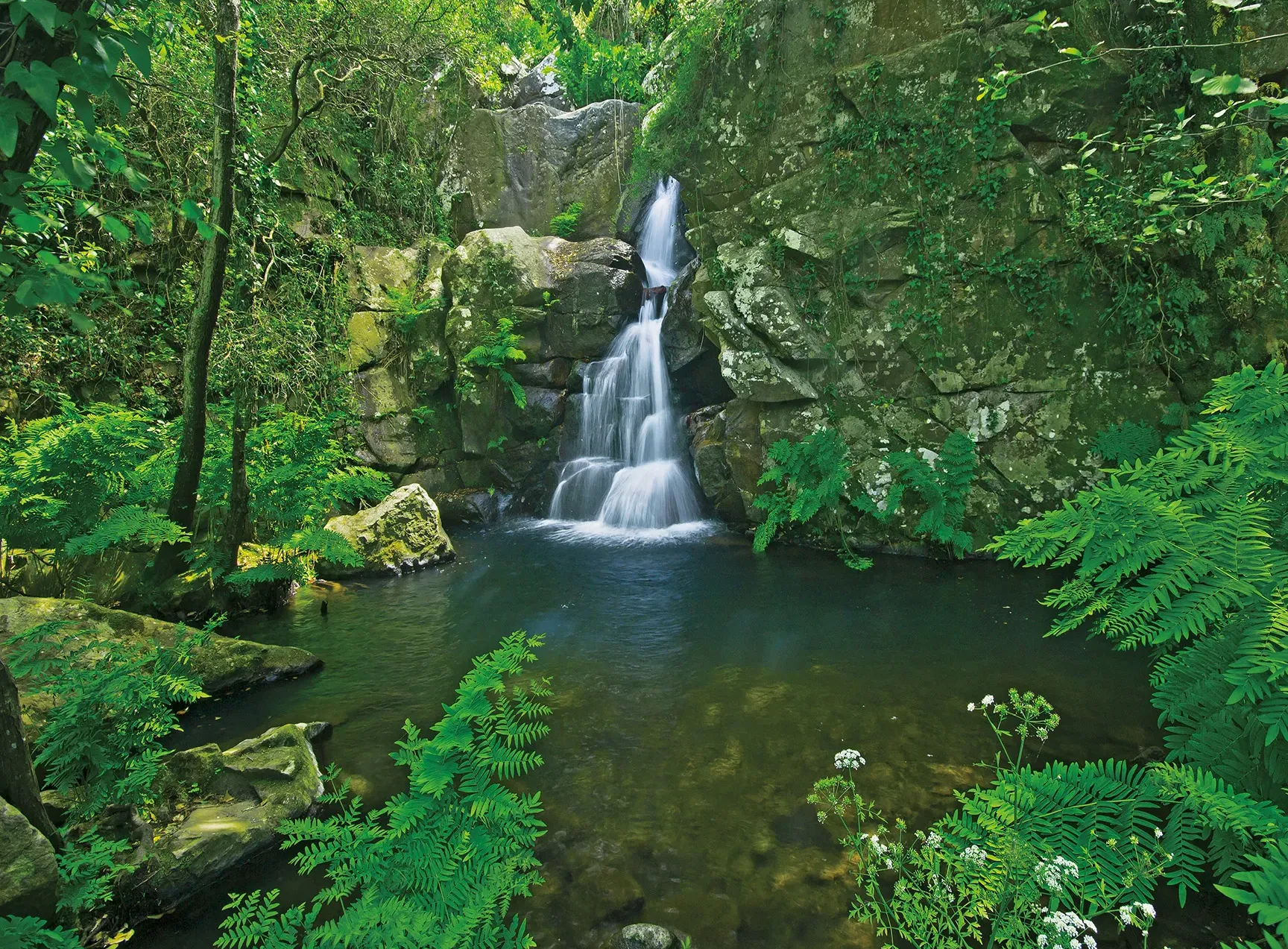
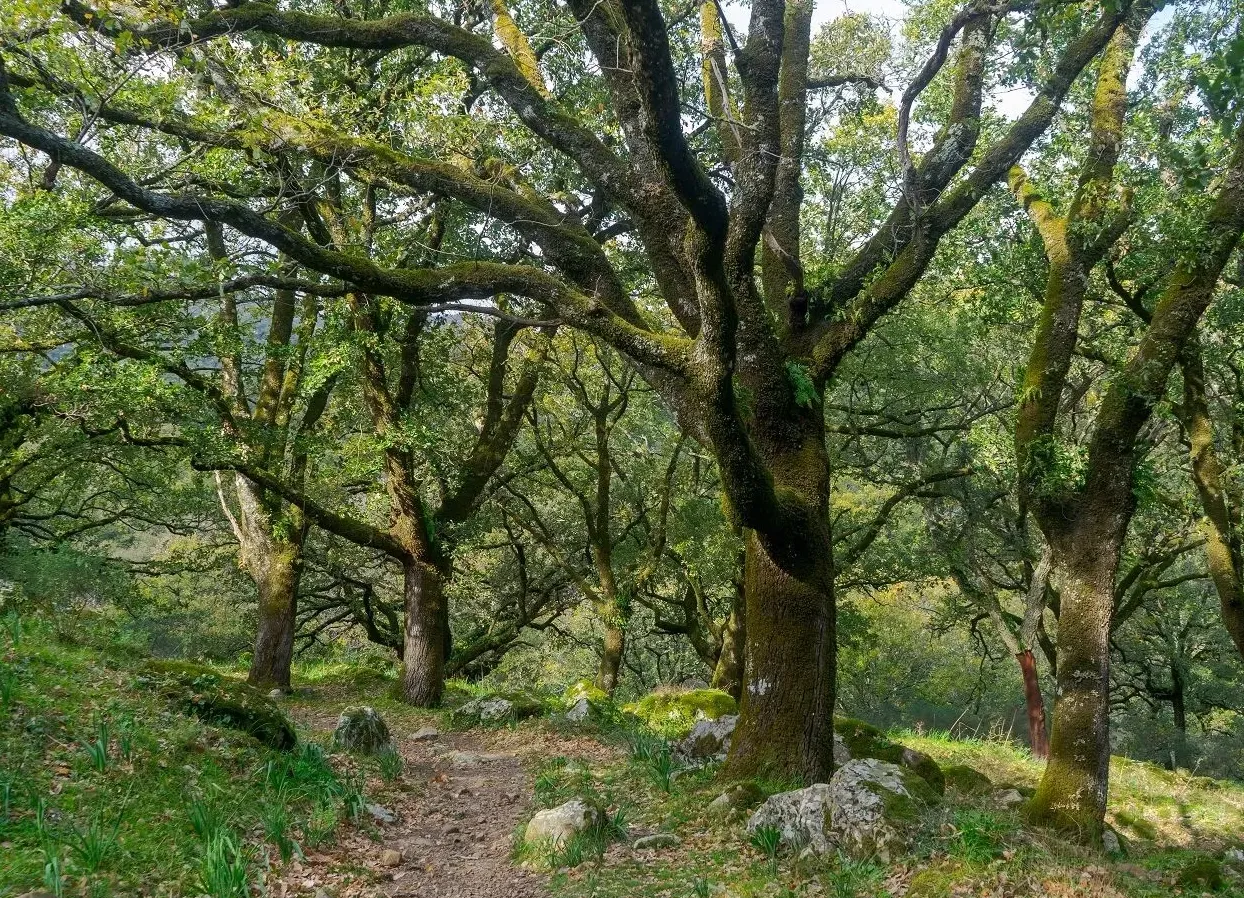
A vast Mediterranean forest, home to the largest cork oak woodland in Europe, where wild nature merges with history and Andalusian culture.
General access to Los Alcornocales Natural Park is free, and it does not have closing hours, as it is an open natural area. However, visitor centers and information points, such as the Cortes de la Frontera Visitor Center or the El Aljibe Environmental Education Center, do have specific opening hours, usually from 9:00 am to 2:00 pm and from 4:00 pm to 6:00 pm, although it is advisable to check before your visit. You can access the different marked routes and trails on foot or by vehicle.
No, visiting Los Alcornocales Natural Park is completely free. There are no entrance fees to enter the park or walk its trails. However, some guided activities or specific services offered by external companies within the park may have an associated cost. You can always check the official information on the Regional Government of Andalusia website for more details.
The length of a visit to Los Alcornocales Natural Park varies greatly and depends on what you want to do. For a first introduction and a short trail, a couple of hours will be enough. If you are interested in longer hiking routes or exploring several areas of the park, you could easily spend half a day or even a full day. There are numerous routes and trails with different levels of difficulty and duration.
Los Alcornocales Natural Park has immense ecological and cultural importance. It is the largest cork oak woodland in the Iberian Peninsula and one of the largest in the world, making it a key ecosystem for cork production and a vital refuge for rich biodiversity, including numerous species of birds of prey and mammals. Historically, cork harvesting has shaped the life and economy of local communities for centuries, creating a unique cultural landscape.
The best time to visit Los Alcornocales Natural Park is usually in spring (March to May) or autumn (September to November). During these seasons, temperatures are milder and more pleasant for hiking, the vegetation is at its finest, and the chances of spotting wildlife are higher. In summer, temperatures can be very high, and in winter, although beautiful, there may be rain. Early morning or late afternoon are the best times of day for birdwatching and photography light.
Due to its mountainous and forested nature, Los Alcornocales Natural Park presents challenges for universal accessibility on most of its trails. However, some visitor centers and recreational areas may have adapted infrastructure. It is recommended to contact the park administration directly or specific visitor centers, such as the El Aljibe Environmental Education Center, to obtain up-to-date information on specific accessible routes or facilities for visitors with reduced mobility.
The location of Los Alcornocales Natural Park in Tarifa offers many nearby options. You can explore the charm of Tarifa, with its beaches for water sports such as kitesurfing and windsurfing, or visit the Castle of Guzmán el Bueno. It is also very close to other protected natural areas such as the Strait Natural Park or the white villages of the White Villages Route, such as Vejer de la Frontera, a short drive away.
To make the most of your visit, I recommend wearing comfortable walking shoes, bringing enough water, sun protection, and a hat, especially in warmer months. It is essential to respect the flora and fauna, leave no litter, and stay on the marked trails. Check the weather forecast before you go, and if you plan a long route, let someone know your itinerary. Download maps or routes to your phone, as coverage may be limited in some areas. And above all, enjoy the peace and beauty of this impressive natural setting.
¿Prefieres escuchar en español?
🇪🇸 Escucha la audioguía de Los Alcornocales Natural Park en español