
No te vayas sin conocer la historia Suscribete
IAudioGuia iaudioguia
Audio Guides of Kikinda

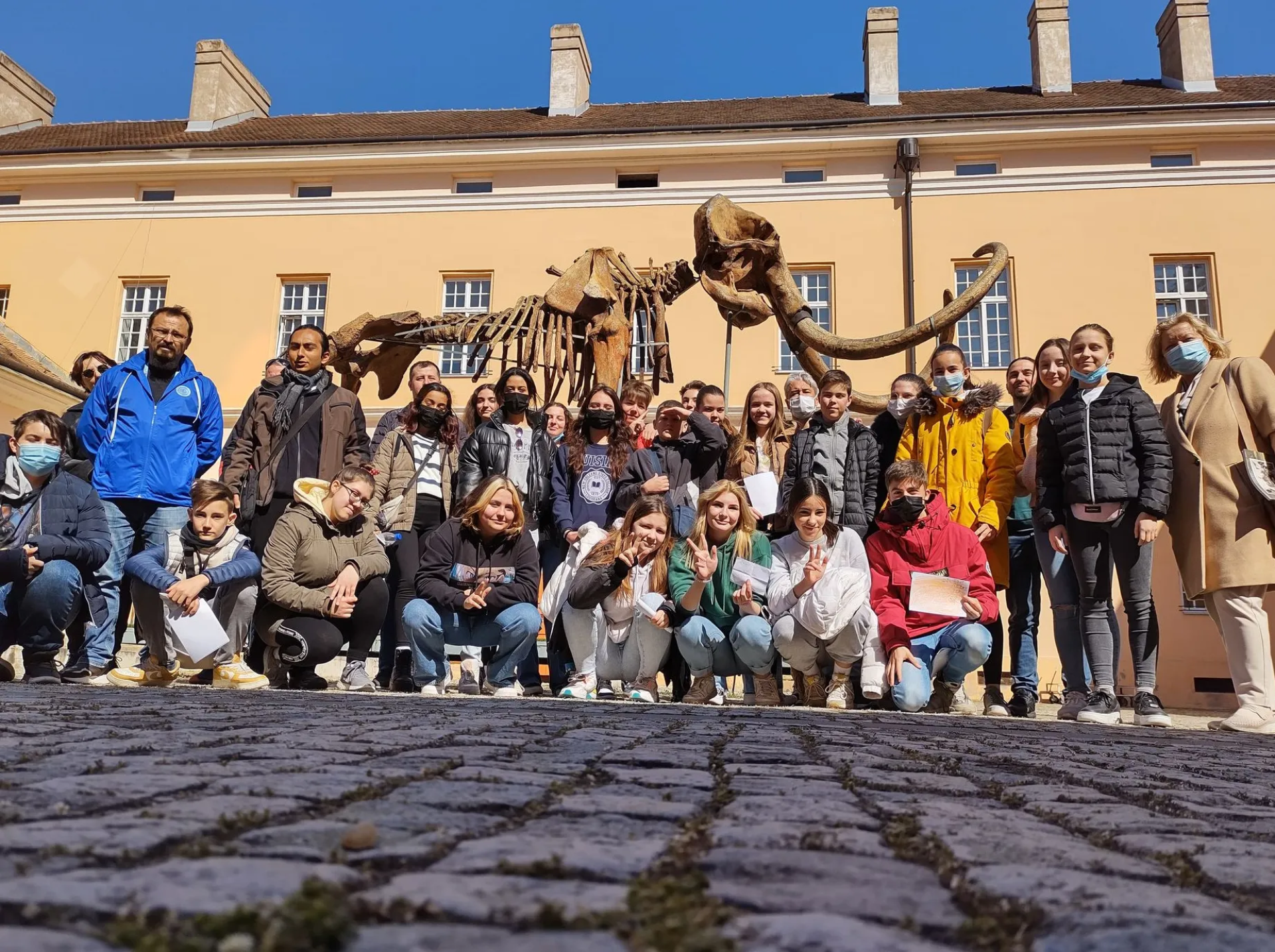
Audio Guide of Kika Mammoth

Discover Kika Mammoth in Kikinda. A unique experience to explore its history and significance.

✓ What guidebooks don't tell you
✓ Secrets other tourists miss
✓ Listen while you explore
Discover everything
00:00
00:00
Rate this audio guide

📖 Audio Guide Chapters

6 chapters

1. The Tusk That Woke a Sleeping Town!

🔒 Premium Content

Subscribe to access all chapters of this audio guide.

2. Detective in Steel: What Does This Frame Hide?

🔒 Premium Content

Subscribe to access all chapters of this audio guide.

3. Prehistoric Loves and Local Passions

🔒 Premium Content

Subscribe to access all chapters of this audio guide.

4. A Wild Festival and Facts That Will Leave You Speechless

🔒 Premium Content

Subscribe to access all chapters of this audio guide.

5. Eagle Eyes on the Invisible Mammoth!

🔒 Premium Content

Subscribe to access all chapters of this audio guide.

6. The Roar You Carry in Your Soul

🔒 Premium Content

Subscribe to access all chapters of this audio guide.

❓ Frequently Asked Questions

Where exactly is Kika Mammoth located and what are its opening hours?

Kika's skeleton is exhibited at the Kikinda National Museum, located in the city's main square. The museum is generally open from Tuesday to Saturday, from 10:00 a.m. to 8:00 p.m., making it the perfect place to start your tour.

How much does it cost to see Kika?

Admission is very affordable, usually around 150–200 Serbian dinars (less than 2 euros) for adults, and there are discounts for children and students. It is one of the best-value attractions in the entire region.

How much time do I need to visit the museum and see the mammoth?

We recommend setting aside between 45 minutes and one hour to enjoy Kika's exhibition at a relaxed pace, watch the 3D film about her life, and explore the rest of the museum's galleries without rushing.

Why is Kika Mammoth so famous and important?

Kika is unique because nearly 90% of her original skeleton was preserved, something extremely rare in world paleontology. She was discovered in a local clay factory and stands as an impressive testament to the wildlife of 500,000 years ago.

What is the best time of year to visit Kikinda and Kika?

If you go in September, you will coincide with the 'Pumpkin Days' festival (Dani Ludaje), a spectacular event. However, winter is magical because the square by the museum hosts the world's largest urban concentration of owls, an unmissable natural phenomenon.

Is the museum accessible for people with reduced mobility?

The museum is housed in a historic building, which presents certain challenges, but the main floor, where most of the collection is located, is usually accessible. It is recommended to call +381 230 422 500 before your visit to arrange assistance if needed.

What other interesting things are there to see near the museum?

Take the opportunity to walk along the pedestrian street and visit the famous Terra Museum, a unique space dedicated to large-format terracotta sculpture. In addition, the architecture of the city center is a gem in itself.

Do you have any tips for making the most of the visit with children?

Absolutely—don't miss the animated 3D screening that explains how Kika lived and died; children find it fascinating. Also, using an audio guide will help you understand the story step by step while keeping everyone entertained.

¿Prefieres escuchar en español?

🇪🇸 Escucha la audioguía de Kika Mammoth en español