

No te vayas sin conocer la historia Suscribete
IAudioGuia iaudioguia
Audio Guides of Kikinda

Audio Guide of Lake Velebit

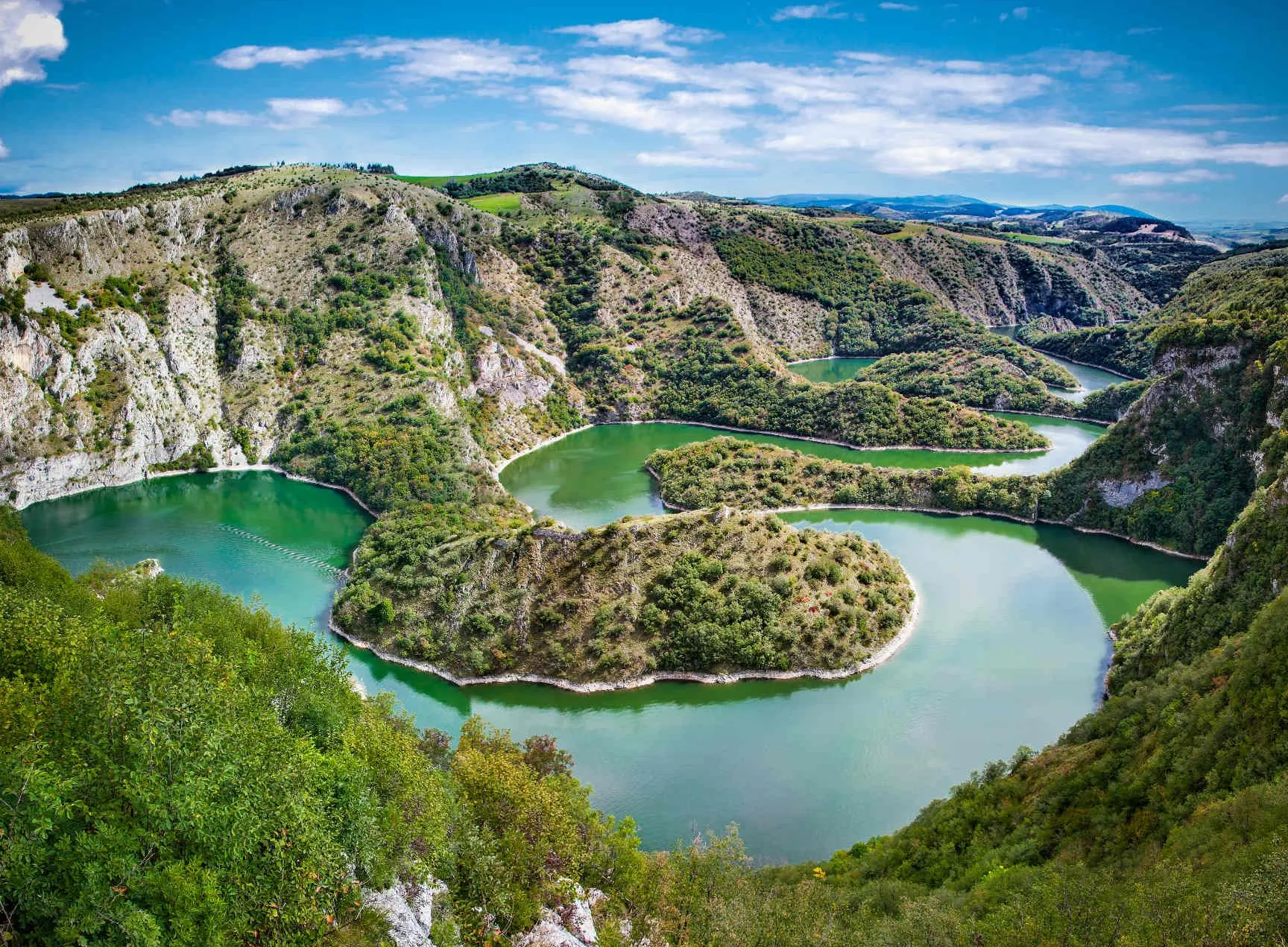
A restored natural area adapted for biodiversity, a peaceful haven in the plain of Kikinda.

✓ What guidebooks don't tell you
✓ Secrets other tourists miss
✓ Listen while you explore
Discover everything
00:00
00:00
Rate this audio guide

📖 Audio Guide Chapters

6 chapters

1. Introduction and History

🔒 Premium Content

Subscribe to access all chapters of this audio guide.

2. Architecture and Design

🔒 Premium Content

Subscribe to access all chapters of this audio guide.

3. Art and Decoration

🔒 Premium Content

Subscribe to access all chapters of this audio guide.

4. Historical Figures

🔒 Premium Content

Subscribe to access all chapters of this audio guide.

5. Curiosities and Legends

🔒 Premium Content

Subscribe to access all chapters of this audio guide.

6. Cultural Importance and Legacy

🔒 Premium Content

Subscribe to access all chapters of this audio guide.

❓ Frequently Asked Questions

What are the visiting hours for Lake Velebit and how can I get there?

Lake Velebit is open to the public all day, as it is a natural area. You can easily get there by car from Kikinda, following the signs toward the village of Rusko Selo. Parking is available nearby.

Is there an admission fee to access Lake Velebit, or is it free?

Good news! Access to Lake Velebit is completely free. It is a public natural area, so you can enjoy it at no cost.

How much time is recommended for a visit to Lake Velebit to enjoy it properly?

To fully enjoy Lake Velebit and its surroundings, we recommend spending at least 2 to 3 hours. This will give you time to walk around, observe the wildlife and plants, and perhaps have a picnic. If you enjoy photography or birdwatching, you may want to stay longer.

What history or significance does Lake Velebit have for the Kikinda region?

Although Lake Velebit does not have an ancient monumental history, it is an artificial wetland of great ecological importance for the region. It has become a vital refuge for numerous species of migratory birds and amphibians, contributing significantly to local biodiversity and serving as an example of environmental restoration.

What is the best time of year or time of day to visit Lake Velebit?

Spring (April-May) and autumn (September-October) are the best times to visit, as temperatures are pleasant and bird activity is greater. Early morning or sunset are the ideal times to observe wildlife and enjoy the peaceful atmosphere.

Is Lake Velebit accessible for people with reduced mobility or with strollers?

Lake Velebit is a natural environment, and the ground may be uneven in some areas. The trails and paths around the lake are mainly dirt or gravel, which could make access difficult for wheelchairs or strollers on certain sections. Caution is advised.

Are there other attractions or places of interest near Lake Velebit that are worth visiting?

Yes, Kikinda offers several points of interest. You can visit the Kikinda National Museum, known for its mammoth skeleton, or explore the city center with its Austro-Hungarian architecture. For nature lovers, the Slano Kopovo Nature Park is another nearby gem.

What practical tips would you give me to make the most of my visit to Lake Velebit?

Of course! I recommend bringing comfortable shoes, sunscreen, and insect repellent. Don’t forget binoculars if you enjoy birdwatching, as well as your camera. And most importantly, be respectful of the natural environment and do not leave litter behind, so the beauty of the lake can be preserved!

¿Prefieres escuchar en español?

🇪🇸 Escucha la audioguía de Lake Velebit en español