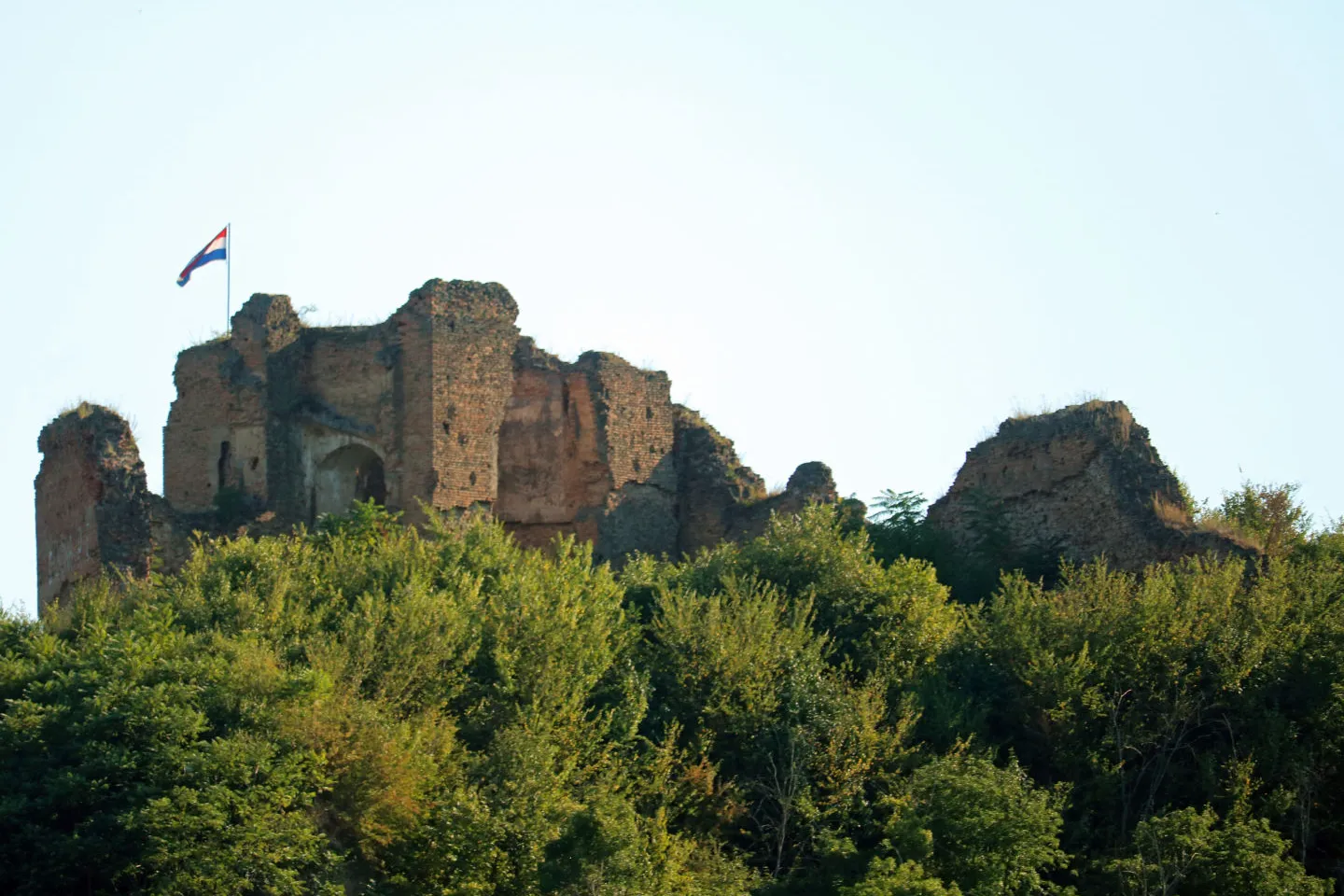
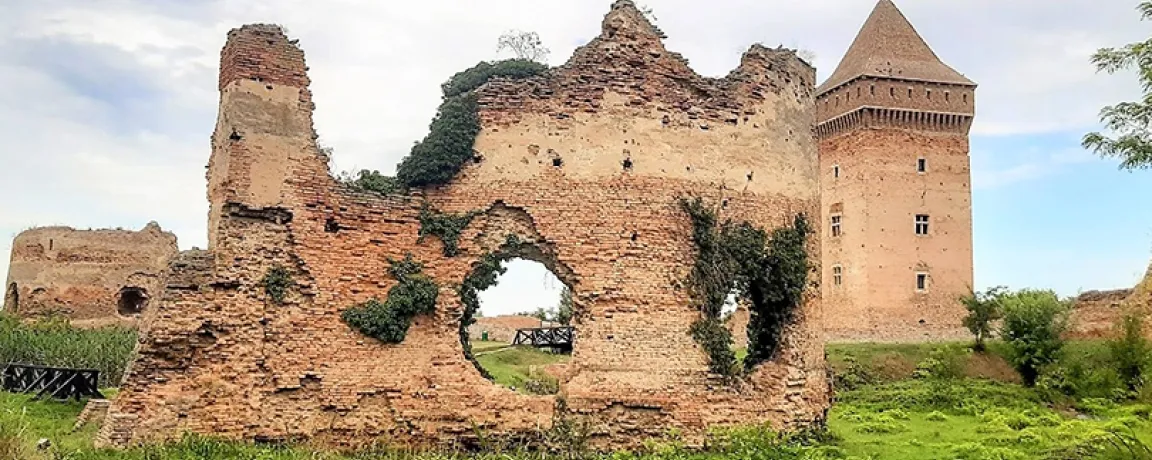
An imposing medieval fortress in Vojvodina, Serbia, telling centuries of history, battles, and intertwined cultures.
The fortress is usually open daily from 8:00 AM to 4:00 PM, although hours may vary by season; I suggest checking in advance with the Bač Tourist Organization or by calling +381 21 770 470. It is located on the outskirts of the town of Bač and is easily accessible by car by following the signs from the center.
Access to the site has a very modest fee, generally 200 RSD (less than 2 euros) per person. This small contribution goes toward the maintenance of the donjon tower and the exhibitions housed inside it.
The visit is quick and enjoyable; around 45 to 60 minutes is enough to walk the walls, explore the inner courtyard, and climb the main tower. It is an ideal stop if you are touring the Vojvodina region.
It is the best-preserved medieval fortress in all of Vojvodina, founded in the 14th century by the Hungarian king Charles Robert. Its distinctive red-brick walls were a crucial stronghold in the defense against the advance of the Ottoman Empire.
Spring and early autumn are perfect for avoiding the intense heat of the Pannonian Plain. I recommend going in the late afternoon, when the light of the setting sun enhances the reddish color of the bricks for incredible photos.
Accessibility is limited due to the historic nature of the terrain, which is made up of uneven dirt and grass. While the exterior can be viewed, access to the upper levels of the tower is by narrow, non-adapted stairs.
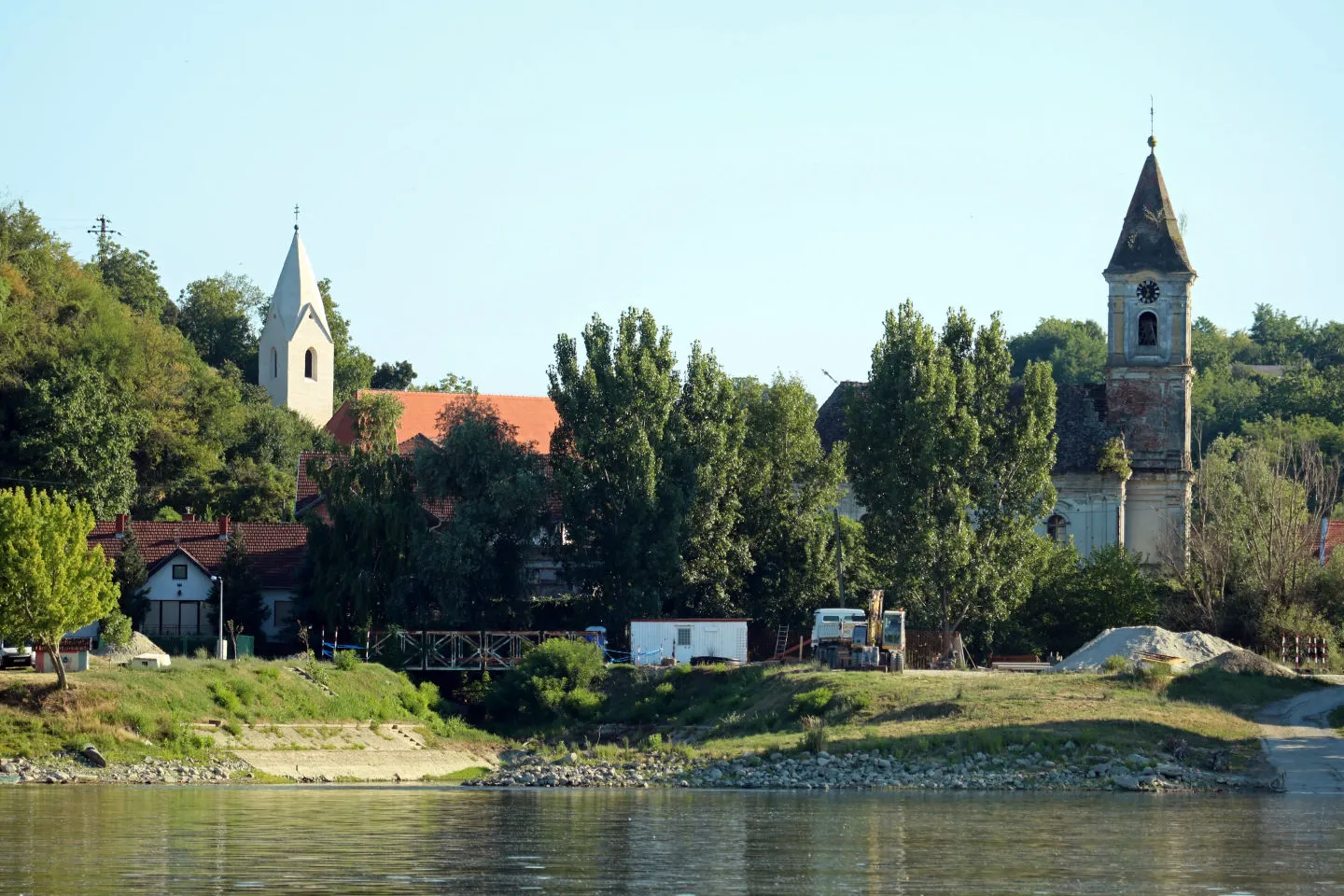
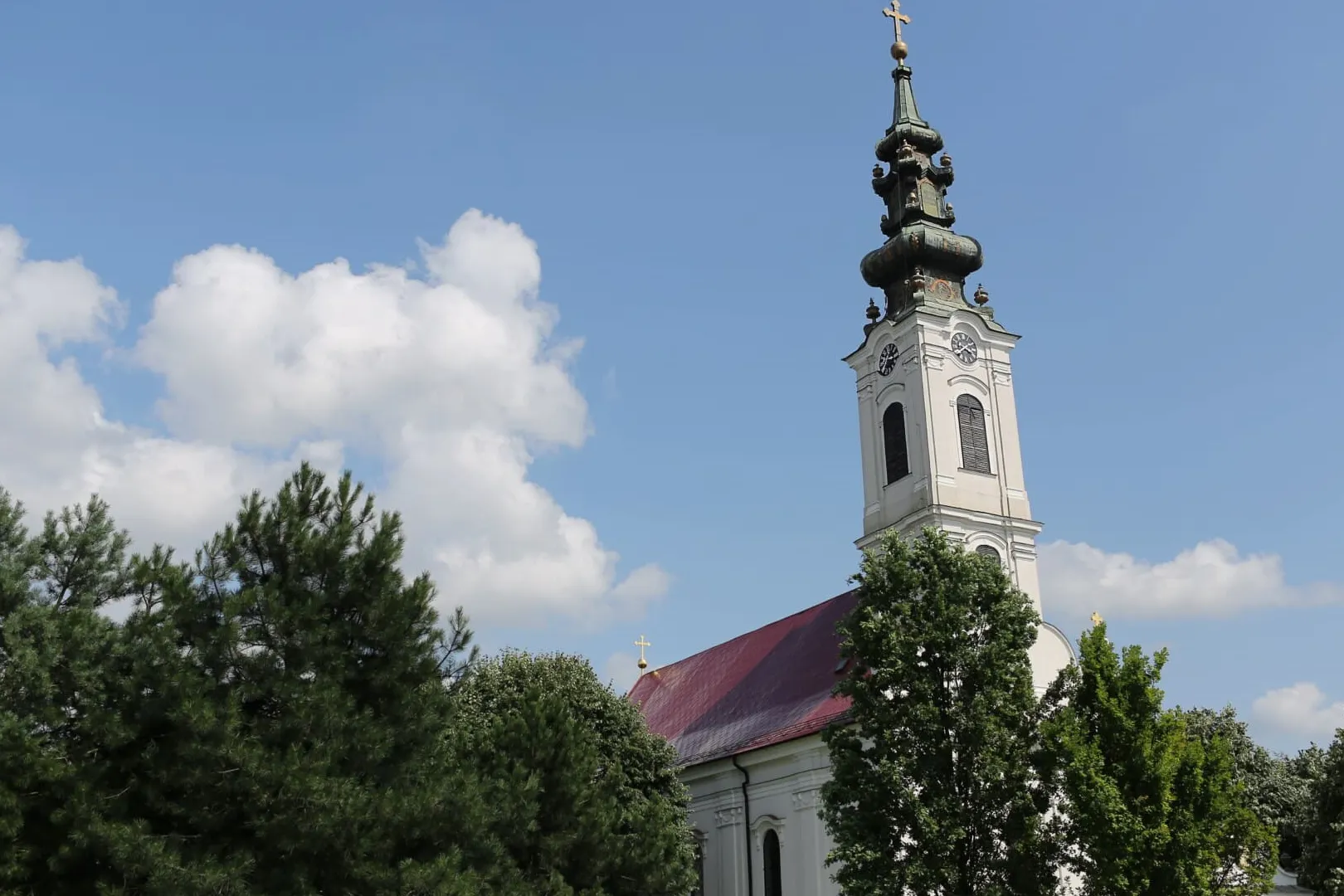
Do not miss the Franciscan Monastery in the center of Bač and the beautiful Bođani Monastery, famous for its frescoes. You can also visit Lake Provala, which has a sandy beach that is very popular in summer.
Wear comfortable, closed shoes, as you will be walking on uneven ground, and do not forget to climb to the top of the donjon tower. From there you will have a 360-degree panoramic view of the Bačka Plain that is absolutely worth it.
¿Prefieres escuchar en español?
🇪🇸 Escucha la audioguía de Bač Fortress en español