

No te vayas sin conocer la historia Suscribete
IAudioGuia iaudioguia
Audio Guides of Kragujevac

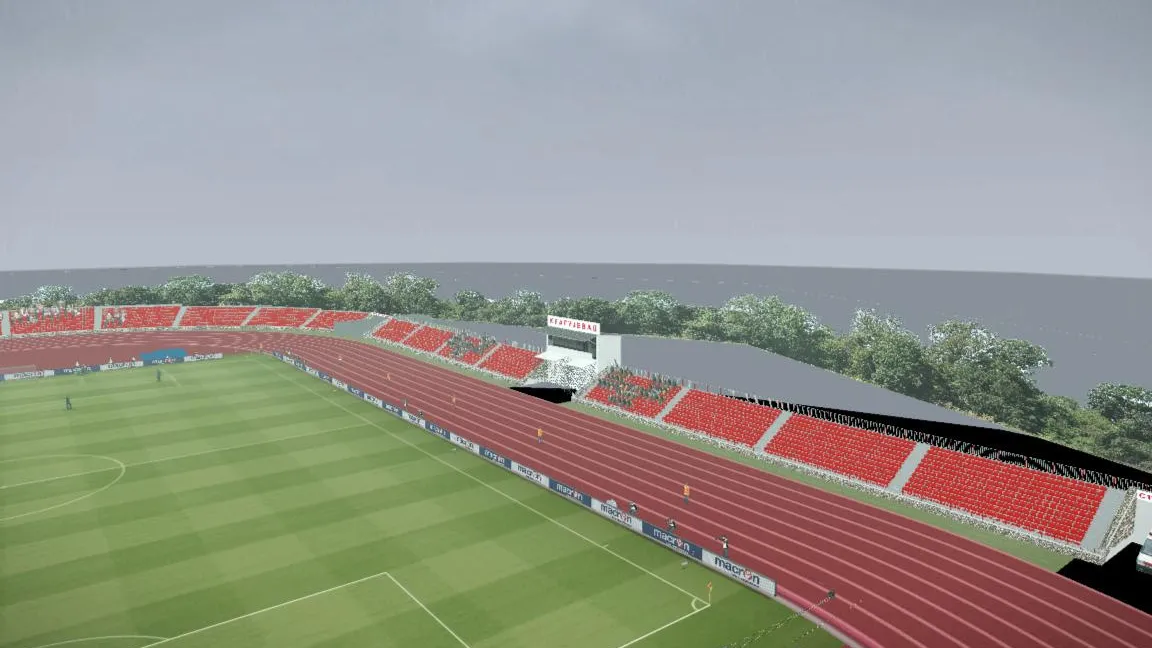
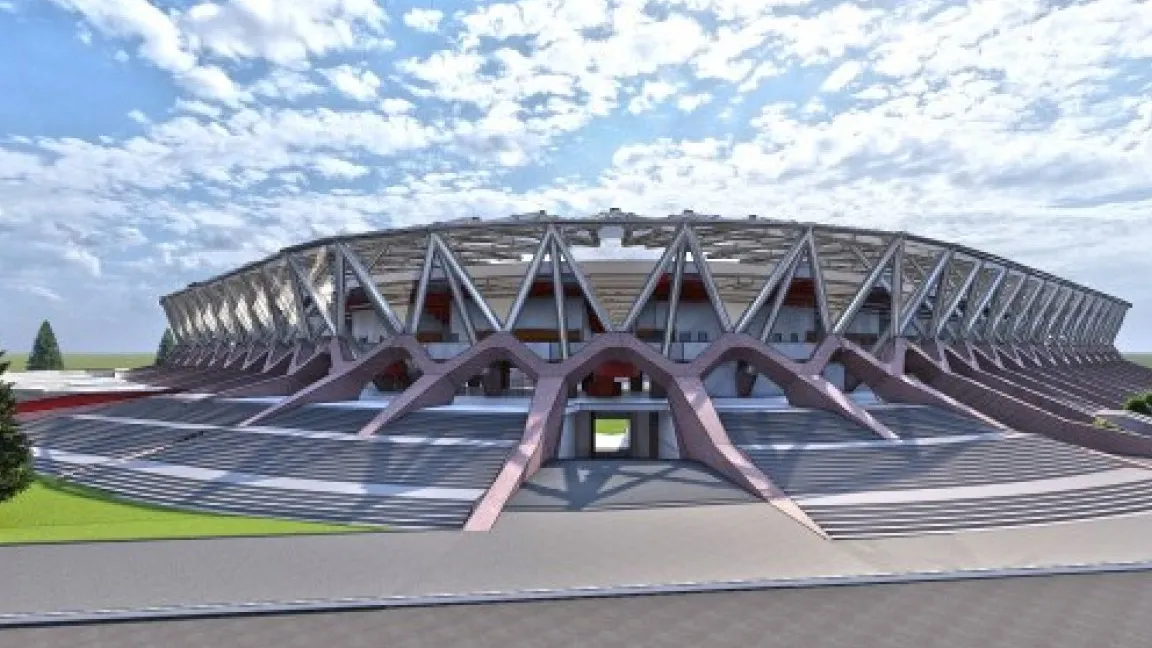
Audio Guide of Čika Dača Stadium

¿Sabías que un tabernero con huerta propia regaló su tierra para nacer un equipo que hoy late en el corazón de Kragujevac?

✓ What guidebooks don't tell you
✓ Secrets other tourists miss
✓ Listen while you explore
Discover everything
00:00
00:00
Rate this audio guide

📖 Audio Guide Chapters

6 chapters

1. The tavern keeper who bet his garden on a football dream

🔒 Premium Content

Subscribe to access all chapters of this audio guide.

2. Walls that withstood bombs and ultra chants

🔒 Premium Content

Subscribe to access all chapters of this audio guide.

3. Eternal loves and hatreds that light bonfires

🔒 Premium Content

Subscribe to access all chapters of this audio guide.

4. The phantom penalty and impossible attendances

🔒 Premium Content

Subscribe to access all chapters of this audio guide.

5. Shadows in the stands revealed only at sunset

🔒 Premium Content

Subscribe to access all chapters of this audio guide.

6. The heartbeat Kragujevac refuses to let die

🔒 Premium Content

Subscribe to access all chapters of this audio guide.

❓ Frequently Asked Questions

What are the opening hours of Čika Dača Stadium and how can I get in?

The stadium does not have fixed tourist visiting hours like a museum; interior access is mainly limited to FK Radnički 1923 match days. You can visit the exterior and the surrounding park at any time of day.

How much do tickets cost, or is there any fee to visit?

Seeing the stadium from the outside is completely free. If you want to attend a match, tickets are very affordable, generally ranging from 200 to 500 Serbian dinars (about 2–5 euros), and they are usually bought at the ticket office on the day of the event.

How much time should I set aside for this visit?

If you are going to enjoy a football match, set aside about 2 hours for the full experience. If it is just a tourist stop to see the architecture and take photos, 20 or 30 minutes will be enough.

What historical importance does this stadium have for Kragujevac?

Opened in 1957, it is named after Danilo 'Čika Dača' Stojanović, considered the pioneer of football in Serbia. It is a symbol of the city and the traditional home of the local club, having hosted tens of thousands of spectators in its golden years.

What is the best time of year or day to go?

The best experience is undoubtedly on a weekend match day, when you can feel the atmosphere of the local supporters, the 'Red Devils.' As for the weather, spring and early autumn are ideal for walking around the area.

Does the stadium have access for people with reduced mobility?

Due to its age (built in the 1950s), the infrastructure is not fully adapted to modern standards, and access to the upper stands is difficult. However, there are ground-level access points; it is recommended to go with someone or ask the staff at the entrance.

What other attractions are near the stadium to make the most of the trip?

The stadium is located right on the edge of the impressive Šumarice Memorial Park. It is highly recommended to combine your visit to the stadium with a walk through this historic park and its museum.

Any practical tips to improve my visit?

Always carry cash in the local currency (dinars), as cards are rarely accepted at old ticket booths or kiosks. If you go on a match day, avoid wearing the colors of rival Belgrade teams to enjoy a friendly and safe atmosphere.

¿Prefieres escuchar en español?

🇪🇸 Escucha la audioguía de Čika Dača Stadium en español