Donde los muros susurran leyendas imperiales, conflictos monásticos y vino disfrazado de agua bendita
Absolutely! In general, the monastery is open to visitors from 7:00 AM to 7:00 PM, although hours may vary on holidays. You do not need special permission, but it is always recommended to dress respectfully (shoulders and knees covered), as this is a religious site. You may want to check the latest opening hours on Serbia’s tourism website or in local travel guides. At the moment, we have not found a specific official website for the monastery.
Good question! प्रवेश to Prohor Pčinjski Monastery is free. However, like many monasteries, it accepts voluntary donations for maintenance. If you would like to light a candle or buy a religious souvenir, those will cost extra. So bring some cash if you would like to contribute or take home a keepsake!
For a complete and relaxed visit, I would recommend setting aside at least 2 to 3 hours. This will allow you to explore the main church at leisure, admire the frescoes, walk through the gardens, and enjoy the peaceful atmosphere. If you also want to visit the tomb of Saint Prohor Pčinjski and the small museum, you may need a bit more time. Do not rush—the beauty is in the details!
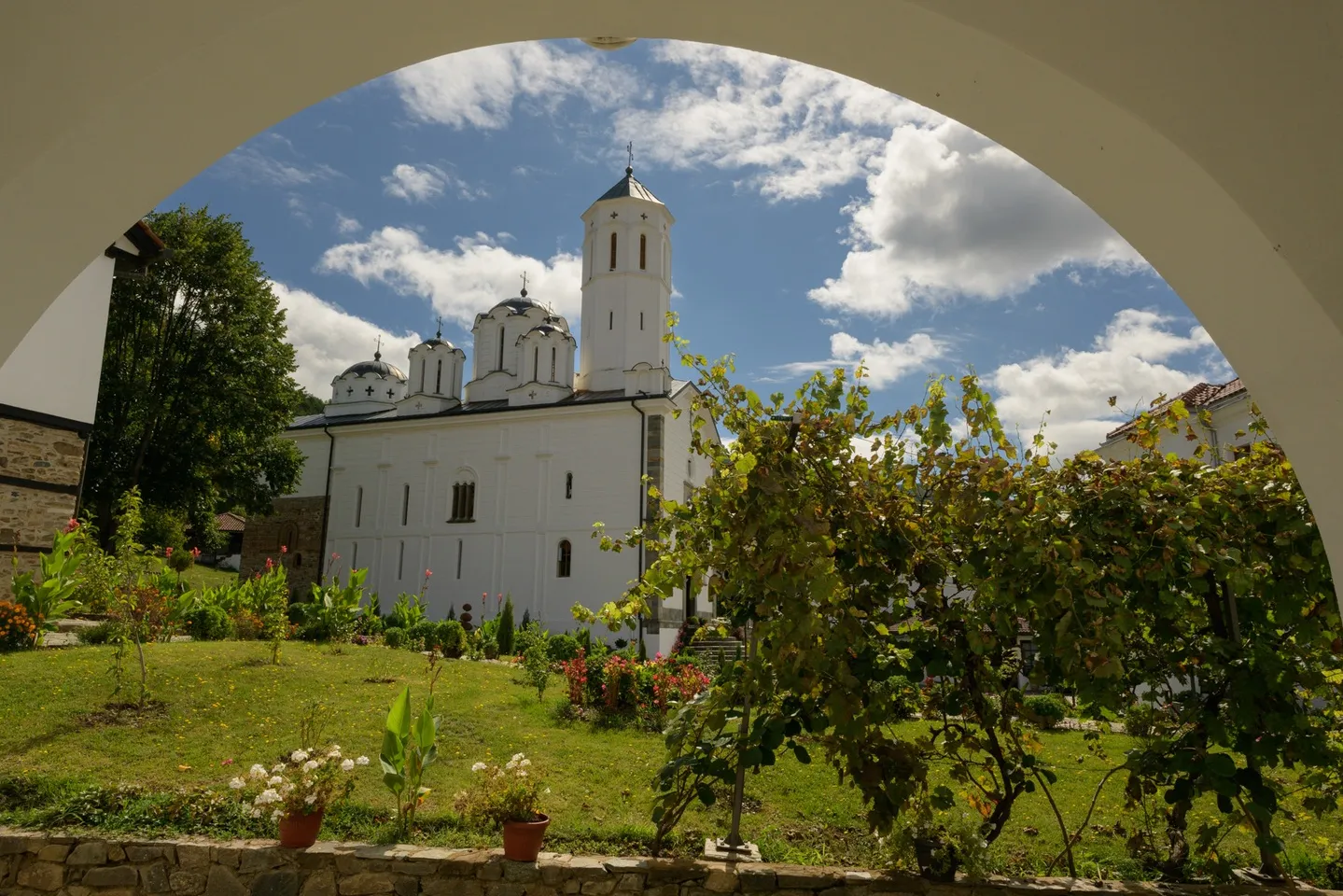
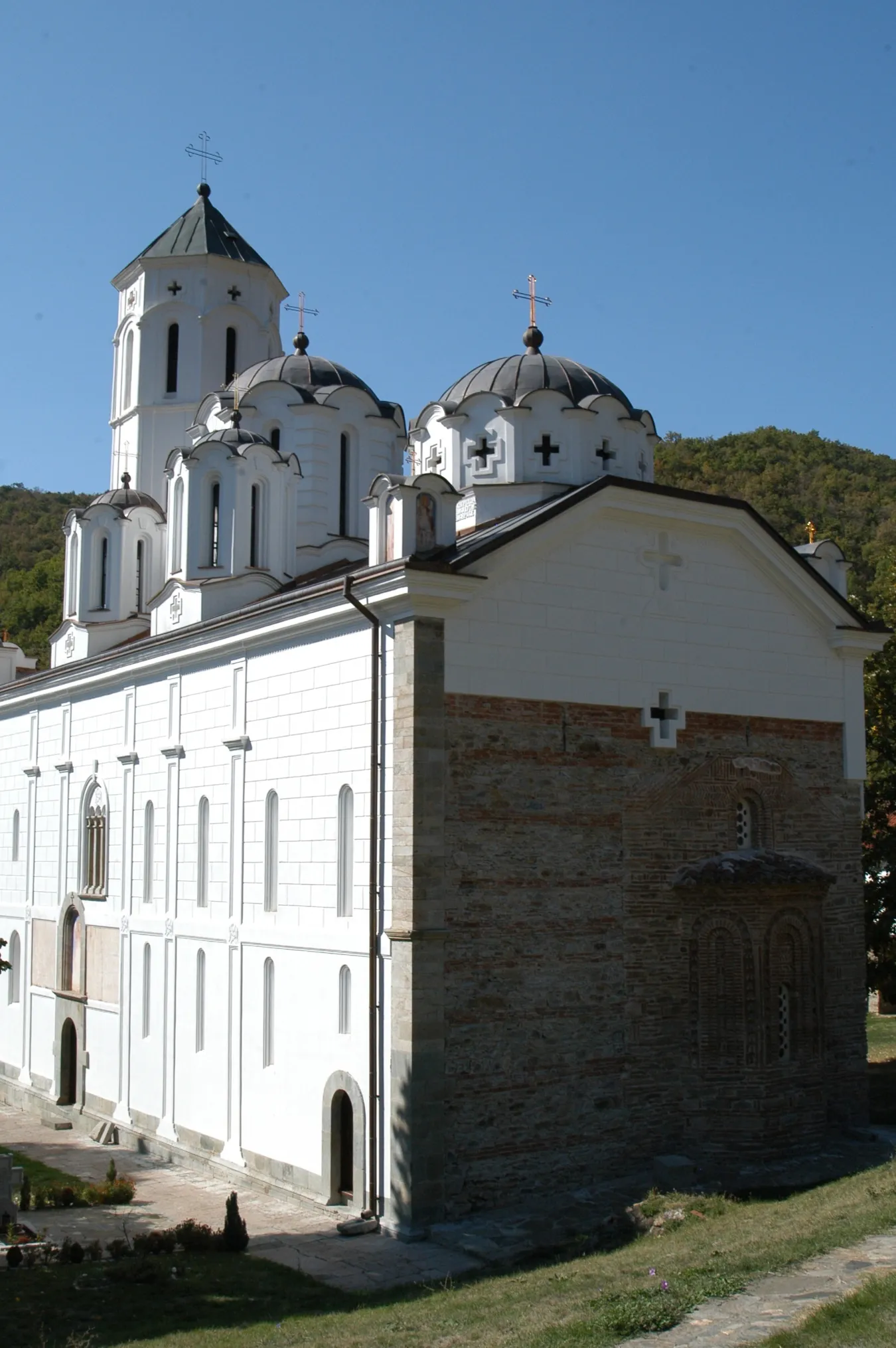
Prohor Pčinjski Monastery is an 11th-century treasure, founded in honor of Saint Prohor Pčinjski, a hermit who lived in the area. It is a spiritual and cultural center of great importance for the Serbian Orthodox Church. It has witnessed centuries of history, and its frescoes and architecture are an invaluable testament to Byzantine and Serbian art. It is also a symbol of resilience and faith through the centuries. You can find more about its history and significance on Wikipedia: Prohor Pčinjski Monastery on Wikipedia.
For the best experience, I would suggest visiting in spring (April to June) or autumn (September to October)! The weather is milder, the scenery is beautiful, and you will avoid the summer heat. As for the time of day, early morning is ideal. There are fewer crowds, the light is perfect for photos, and you can fully enjoy the tranquility that surrounds the place.
The main access to the monastery is relatively flat across most of its courtyards, but some areas, such as the church entrance or certain chapels, may have steps. If you have specific accessibility concerns, I recommend contacting the Vranje tourist office directly or the monastery itself if you can find a contact number, as official information is limited. Unfortunately, we have not yet found a direct phone number or email address for the monastery to share with you.
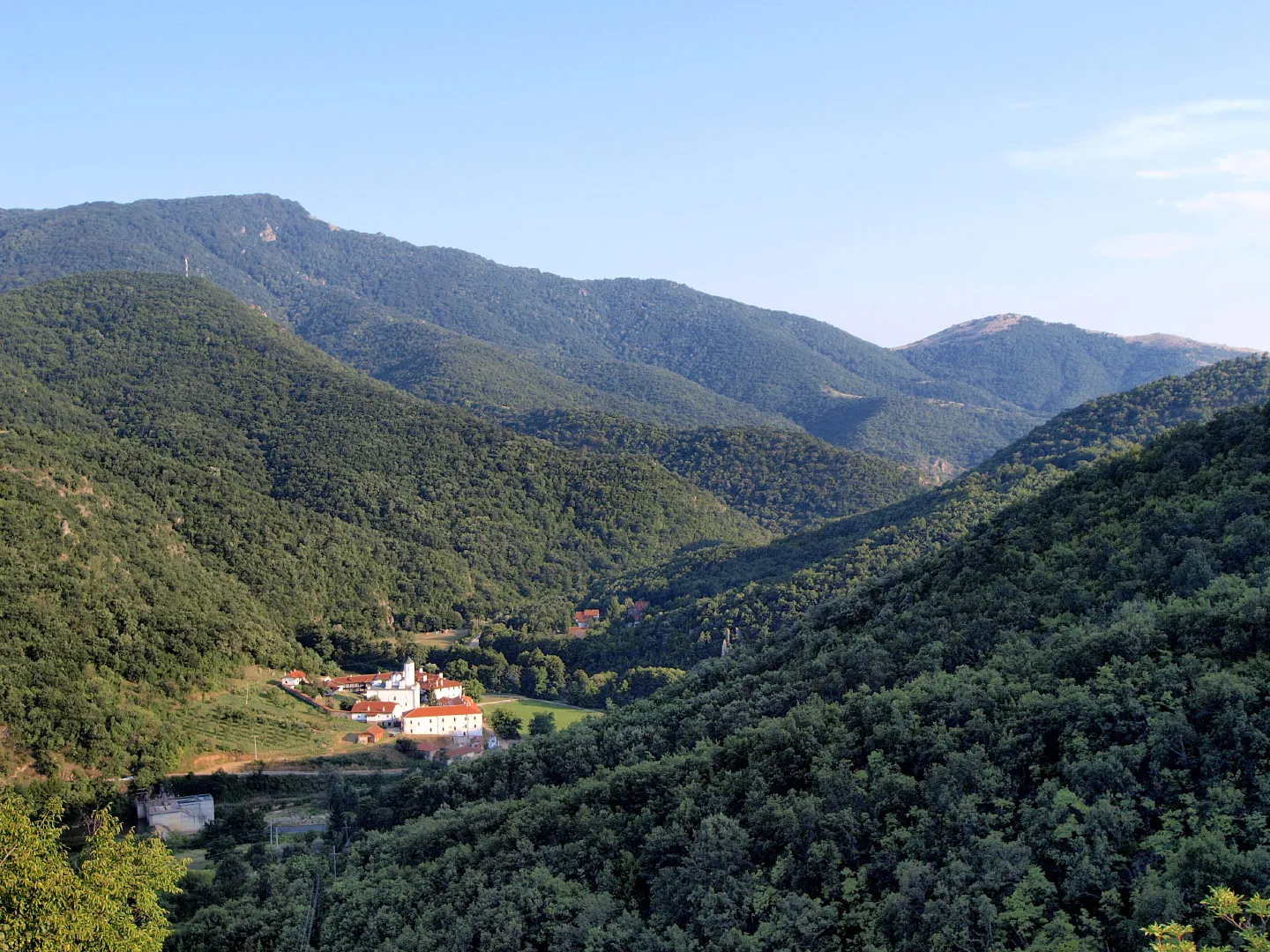
The region has a lot to offer! Near the monastery, you can explore the city of Vranje, with its rich history and Ottoman architecture, such as the Hammam (Turkish bath) or Pasha’s Konak. The surrounding nature is also beautiful and ideal for hiking if you enjoy adventure. I encourage you to look for other attractions in the Pčinja region to complement your visit. The Pčinja River, for example, offers very scenic views.
Of course! First, always respect the monastery’s rules, especially the dress code. Second, wear comfortable shoes, since you will be doing a fair amount of walking. Third, consider bringing some cash for possible donations or souvenirs. And finally, disconnect from the digital world and immerse yourself in the atmosphere of peace and spirituality. It is a magical place for reflection and for admiring history!
¿Prefieres escuchar en español?
🇪🇸 Escucha la audioguía de Prohor Pčinjski Monastery en español