¡Imagina nadar junto al pez más grande del mundo, un gigante pacífico que guarda secretos del océano que te dejarán boquiabierto!
The main attraction of the Whale Shark at Catalina Island is diving or snorkeling in its natural habitat. To do this, you need to join an organized excursion that usually departs early in the morning (between 8:00 AM and 9:00 AM) from La Romana or Bayahibe. Catalina Island is an uninhabited islet, so the only way to get there is by boat or catamaran as part of a tour. You can explore options on sites like TripAdvisor or by checking with local operators.
The price of a tour to see the Whale Shark at Catalina Island varies depending on the operator, the length of the tour, and the services included (transportation, snorkeling/diving equipment, lunch, drinks). In general, prices range from 70 to 120 USD per person. I recommend researching and comparing prices on platforms such as Viator or contacting tourism companies directly in La Romana.
A typical excursion to see the Whale Shark and visit Catalina Island usually lasts between 6 and 8 hours, including boat transfers. The time dedicated to diving or snorkeling with whale sharks may vary, but generally 1 to 2 hours are spent in the water. The rest of the time is enjoyed on Catalina Island’s beaches, snorkeling at the 'Wall' or relaxing.
Although the Whale Shark does not have a specific historical or cultural meaning in the Dominican Republic like an ancient building would, its presence in the waters near Catalina Island is of vital ecological importance. It is the largest fish in the world and a bioindicator of the health of the marine ecosystem. Its conservation is crucial, and responsible tourism around these animals helps educate visitors about the importance of protecting marine life.
The best time of year to spot the Whale Shark in the Dominican Republic, and therefore near Catalina Island, is generally between November and May, with winter and spring being the months when they move into warmer waters. Tours usually depart early in the morning (between 8:00 AM and 9:00 AM) because sea conditions are often calmer and visibility is ideal for sightings.
Unfortunately, most tours that include diving or snorkeling with the Whale Shark and visits to Catalina Island are not fully adapted for people with reduced mobility or wheelchair users because of the nature of the boats and beach access. Boarding and disembarking from the boat, as well as moving around on the beach, can be challenging. I recommend contacting tour operators directly to learn about their policies and whether they offer any special accommodations. One operator you can contact is Scubaqua Dive Center in Bayahibe: phone +1 (809) 833-0102.
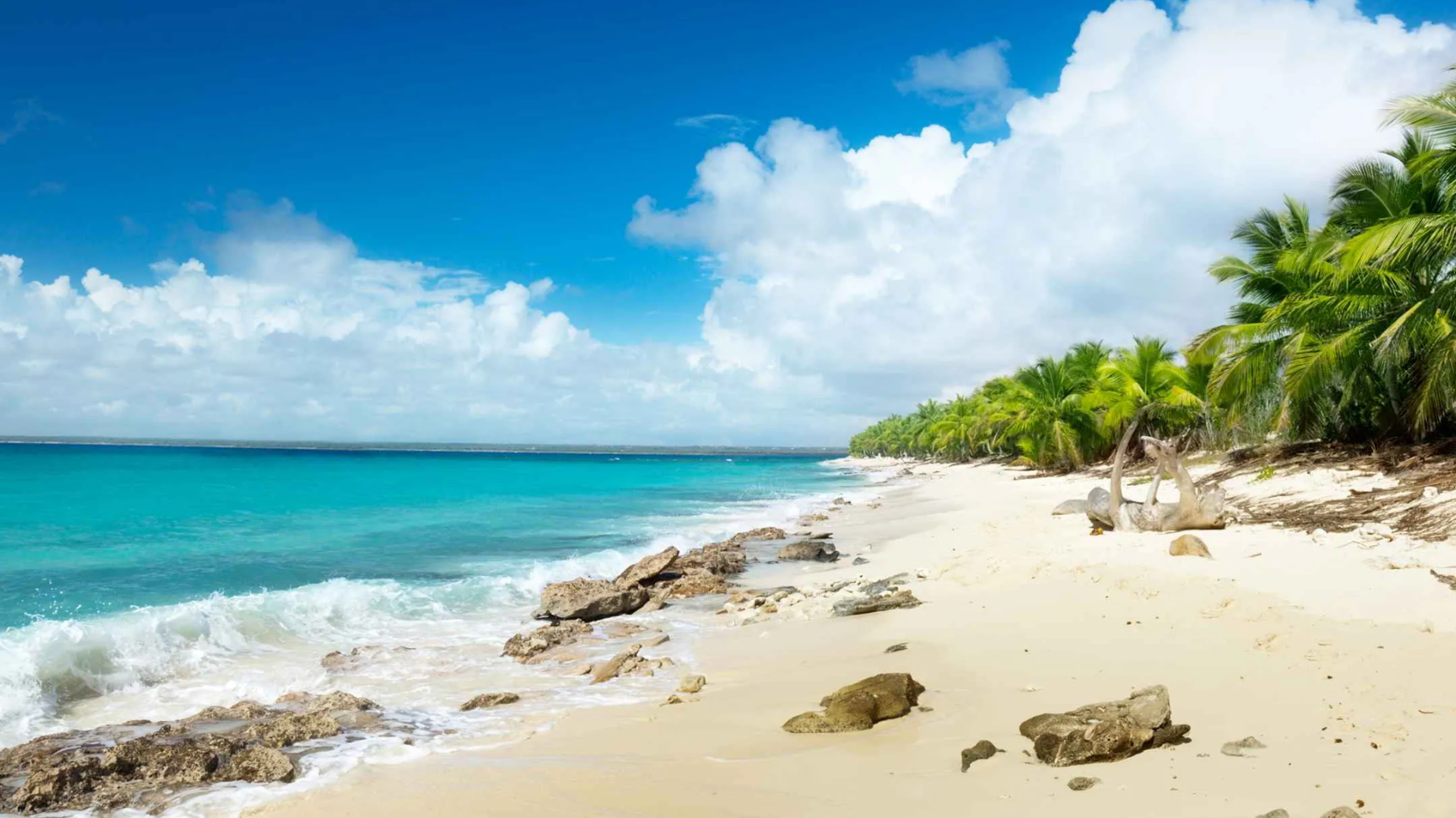
After your Whale Shark experience at Catalina Island, you can enjoy the island’s pristine beaches, such as Occidental Beach, or the famous 'Wall,' a spectacular snorkeling and diving site with coral reefs. If you return to the mainland, don’t miss Altos de Chavón in La Romana, a replica of a 16th-century Mediterranean village with art galleries, restaurants, and an amphitheater. You can also explore Cotubanamá National Park (formerly East National Park) with its caves and rock art.
Of course—here are some tips: First, book your tour in advance, especially during high season. Bring biodegradable sunscreen, hats, sunglasses, and your underwater camera. It is crucial to listen carefully to the guide’s instructions for safety and to avoid disturbing the whale sharks, keeping a respectful distance. Make sure to bring enough water and, if you are prone to seasickness, take medication before boarding. And most importantly, enjoy this unique and unforgettable experience with one of the ocean’s gentlest giants!
¿Prefieres escuchar en español?
🇪🇸 Escucha la audioguía de Whale Shark at Catalina Island en español