
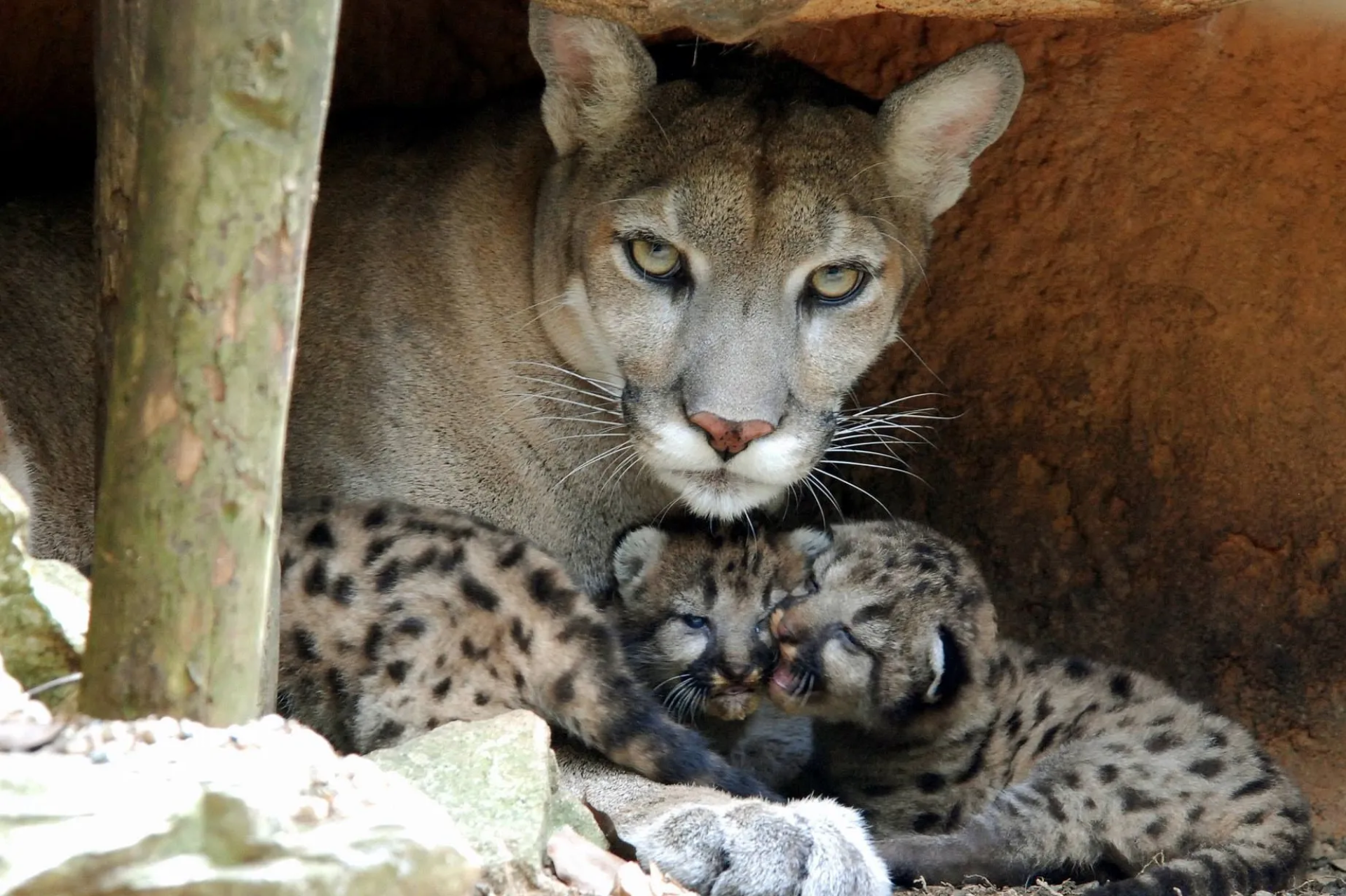
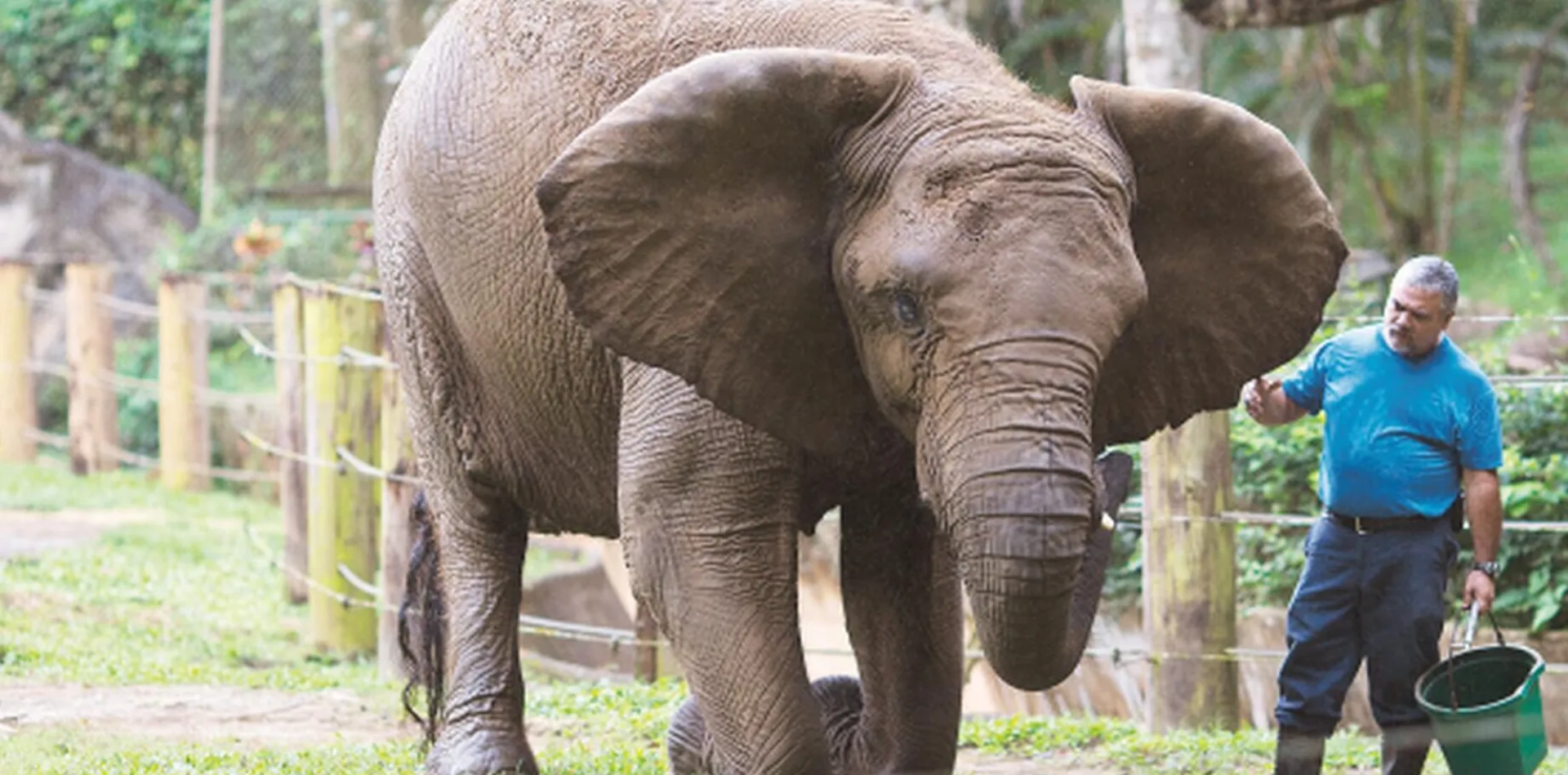
Discover Dr. Juan A. Rivero Zoo in Mayagüez. A unique experience to learn about its history and significance.
Hello! At the moment, Dr. Juan A. Rivero Zoo is closed to the public following Hurricane Maria. Although projects have been proposed for its recovery, it is currently not operating for visitors. I recommend checking local news or the official Puerto Rico government website for future updates on its reopening. You can find additional information in El Vocero de Puerto Rico: Million-dollar investment planned for the reopening of Mayagüez Zoo.
Although there are currently no admission fees because the zoo is closed, historically, when it was operating, Dr. Juan A. Rivero Zoo did charge an entrance fee. It is very likely that once it reopens, an admission price will be introduced again, possibly with discounts for children, seniors, or groups. We recommend keeping an eye on official announcements from Puerto Rico's Department of Natural and Environmental Resources. You can follow updates on their Facebook page: Puerto Rico Department of Natural and Environmental Resources.
Historically, to fully enjoy Dr. Juan A. Rivero Zoo and see most of its exhibits without rushing, it was recommended to allow between 2 and 3 hours. That would give you enough time to stroll around, observe the animals, and perhaps stop at the café. Once it reopens, the length of the visit could vary if new areas or experiences are added. Stay informed through local news for any updates.
Absolutely! Dr. Juan A. Rivero Zoo was the only zoo in Puerto Rico and the Caribbean, and it held great educational and recreational importance for the island. It opened its doors in 1954 and played a key role in conservation and environmental education in the region, housing a wide variety of species. Its legacy lies in having been a meeting point for people to connect with wildlife and a center for research. You can read more about its history on Wikipedia: Mayagüez Zoo - Wikipedia.
If it reopens, the best time to visit the zoo is usually during the winter months, from November to April, when temperatures in Puerto Rico are milder and more pleasant, helping you avoid the intense summer heat and humidity. In addition, going early in the morning right after opening, or later in the afternoon before closing, helps avoid the biggest crowds and gives you a better chance to see the animals at their most active. Weekends, especially Sundays, tend to be the busiest days.
In the past, Dr. Juan A. Rivero Zoo had some infrastructure to make access easier for people with reduced mobility, including paved paths and ramps in several areas. However, since it has been closed for some time and renovation work has been underway, significant accessibility improvements may be introduced if it reopens. We recommend contacting the zoo administration or Puerto Rico's Department of Natural and Environmental Resources directly once reopening is announced to get the most up-to-date information about accessibility facilities. You can find more information about rehabilitation projects on PR Public Radio: Mayagüez Zoo remains closed five years after Maria.
Of course! Mayagüez and its surroundings offer several interesting alternatives. You can visit the University of Puerto Rico at Mayagüez, known for its beautiful gardens and architecture. Our Lady of the Candelaria Cathedral in the city center is a cultural landmark. If you're interested in nature, you can explore Rincón Beach, famous for surfing and sunsets, or the Guánica Dry Forest, a nature reserve with trails and unique biodiversity, although it is a bit farther south.
Absolutely! If the zoo reopens, I would recommend bringing comfortable walking shoes, sunscreen, and a cap or hat, since much of the visit is outdoors. It's also a good idea to bring a reusable water bottle to stay hydrated. Historically, the zoo had cafés and snack areas, but new options may be introduced or light food may be allowed if policies change after the renovation. It's always a good idea to check the latest rules on its website or social media on the day of your visit. And don't forget your camera — the animals are very photogenic!
¿Prefieres escuchar en español?
🇪🇸 Escucha la audioguía de Dr. Juan A. Rivero Zoo Audio Guide en español