No te vayas sin conocer la historia Suscribete
IAudioGuia iaudioguia
Audio Guides of Naguabo

Audio Guide of Humacao Nature Reserve

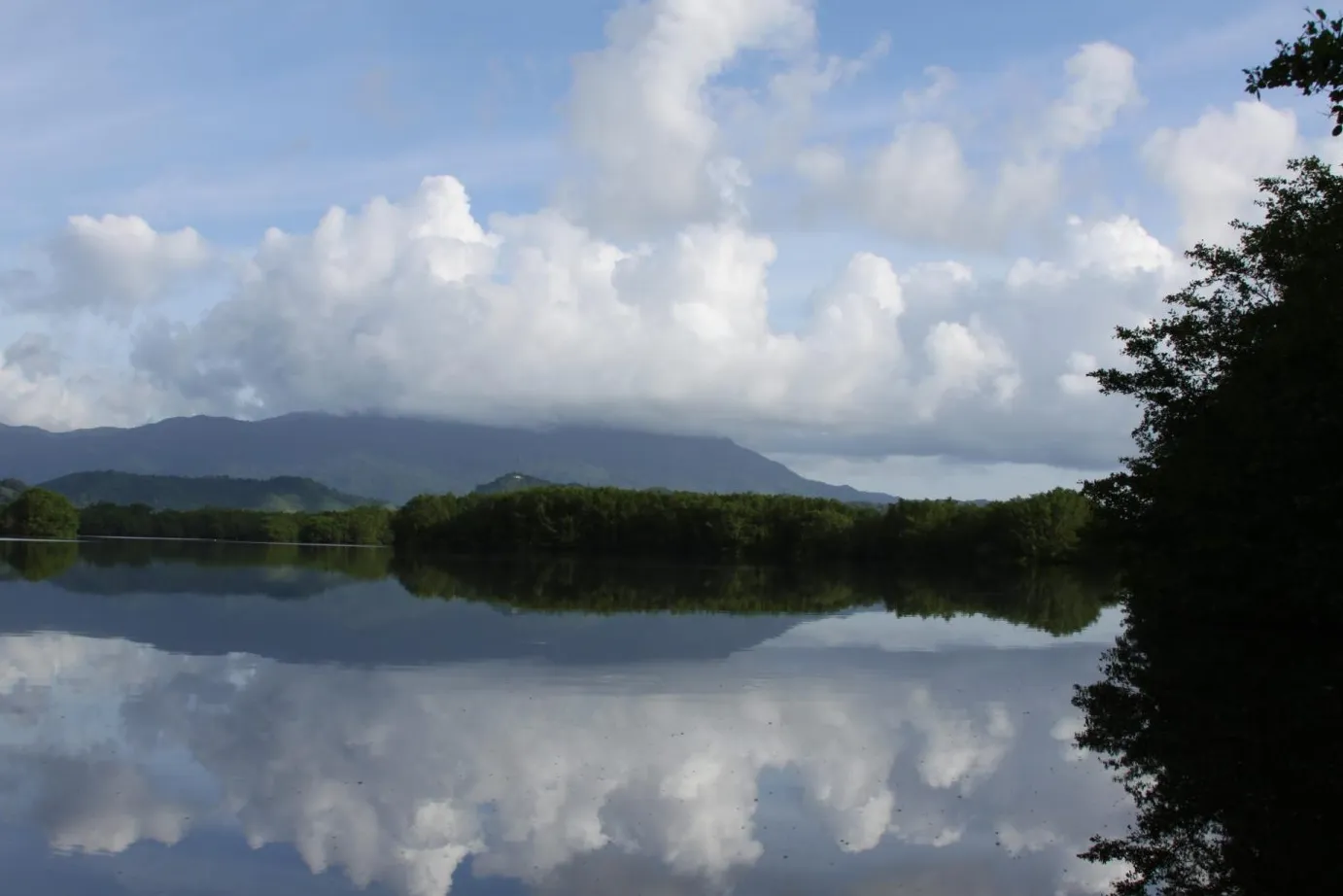
A biodiverse sanctuary where Puerto Rico’s natural history intertwines with the resilience of its coastal ecosystem and its cultural remains.

✓ What guidebooks don't tell you
✓ Secrets other tourists miss
✓ Listen while you explore
Discover everything
00:00
00:00
Rate this audio guide

📖 Audio Guide Chapters

6 chapters

1. A Wetland with a Caribbean Soul: Origins and Resilience

🔒 Premium Content

Subscribe to access all chapters of this audio guide.

2. Natural Fabric: Ecological Architecture of the Wetland

🔒 Premium Content

Subscribe to access all chapters of this audio guide.

3. The Living Palette: Colors and Sounds of Biodiversity

🔒 Premium Content

Subscribe to access all chapters of this audio guide.

4. Anonymous Guardians: The Defenders of the Reserve

🔒 Premium Content

Subscribe to access all chapters of this audio guide.

5. Beyond the Map: Echoes of Legends and Natural Curiosities

🔒 Premium Content

Subscribe to access all chapters of this audio guide.

6. The Pulse of Puerto Rico: Legacy and Future of the Reserve

🔒 Premium Content

Subscribe to access all chapters of this audio guide.

❓ Frequently Asked Questions

What are the opening hours of Humacao Nature Reserve and how can I get there?

The reserve is open daily from 8:00 a.m. to 4:30 p.m., although it is recommended to check the official website for updates. To get there, you can drive via Highway 3 in Humacao; parking is available at the main entrance. Visit the Department of Natural and Environmental Resources website for more details or call (787) 850-6160.

Do I have to pay admission to visit Humacao Nature Reserve, or is it free?

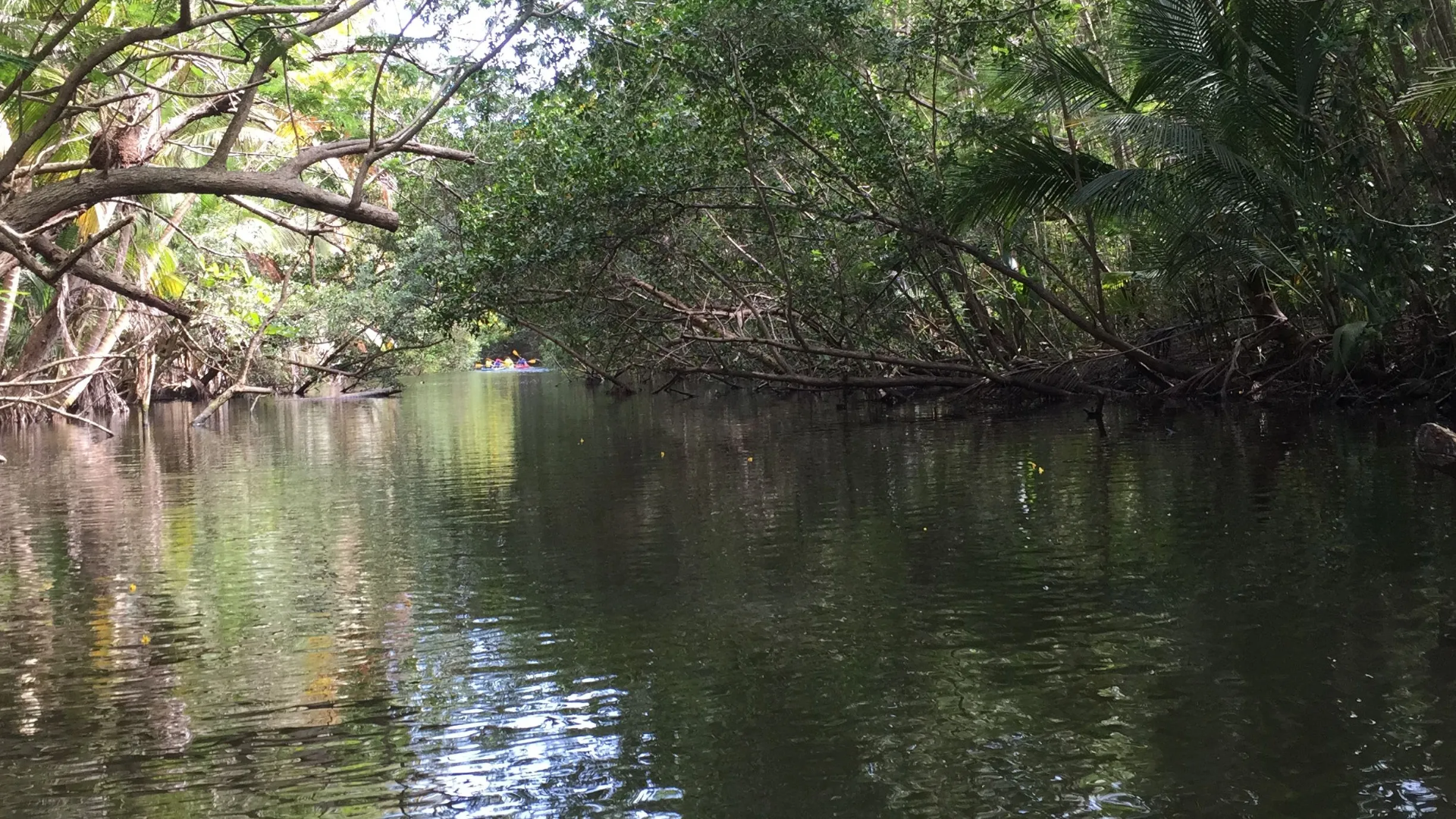
Admission to the reserve is free, making it ideal for travelers on a budget. However, if you decide to rent equipment such as kayaks or join guided tours, additional fees of around $10–20 per person may apply. Check the official natural reserves portal for payment options.

How much time is recommended for a visit to Humacao Nature Reserve?

It is recommended to spend at least 2 to 3 hours exploring the main trails and enjoying the views, although you could extend it to half a day if you include activities such as birdwatching. This allows for a relaxed pace without rushing. If you are traveling with children, plan frequent breaks to avoid fatigue.

What is the history or cultural importance of Humacao Nature Reserve?

This reserve, part of Puerto Rico’s protected system since 1993, is crucial for preserving mangroves, beaches, and habitats for endemic birds, contributing to the biodiversity of the east coast. Culturally, it represents Taíno heritage and ecological importance for the local community in Humacao. Its protection helps mitigate climate change and promotes conservation education.

What is the best time of year or day to visit Humacao Nature Reserve?

The best time is during the dry season (December to April) to avoid rain, and preferably early in the morning to enjoy cooler weather and see more wildlife. Avoid the hot summer afternoons. Check the forecast on the weather service website before going.

Is Humacao Nature Reserve accessible for people with reduced mobility?

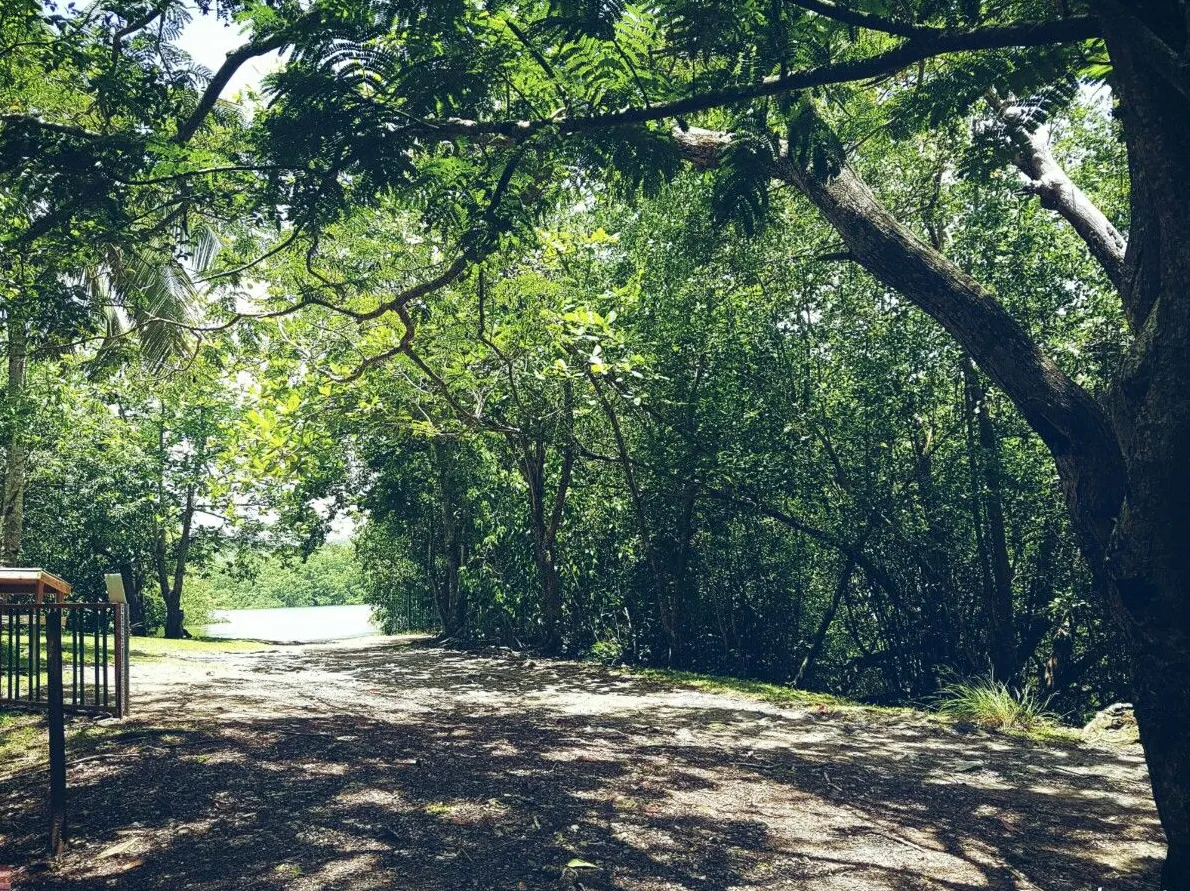
The main trails are dirt paths and somewhat uneven, so they are not fully wheelchair accessible; however, there are paved entrance areas and panoramic views from the parking lot. It is suggested to contact the Department of Natural and Environmental Resources at (787) 850-6160 for assistance options or adapted tours. For more information, visit their official website.

What other attractions are near Humacao Nature Reserve?

Nearby, you can visit Jobos Bay (about 20 minutes away), ideal for kayaking, or Casa Roig Museum in Humacao for local history. There is also Punta Santiago Beach, perfect for a beach day. Explore more at Discover Puerto Rico for combined itineraries.

What are some practical tips to make the most of my visit to Humacao Nature Reserve?

Bring insect repellent, water, and comfortable shoes for the trails; don’t forget sunscreen and binoculars for birdwatching. Follow the rules about not leaving trash behind and keep your distance from wildlife. For guides, book in advance through the Department of Natural and Environmental Resources and go with a group if you are a beginner hiker.

¿Prefieres escuchar en español?

🇪🇸 Escucha la audioguía de Humacao Nature Reserve en español