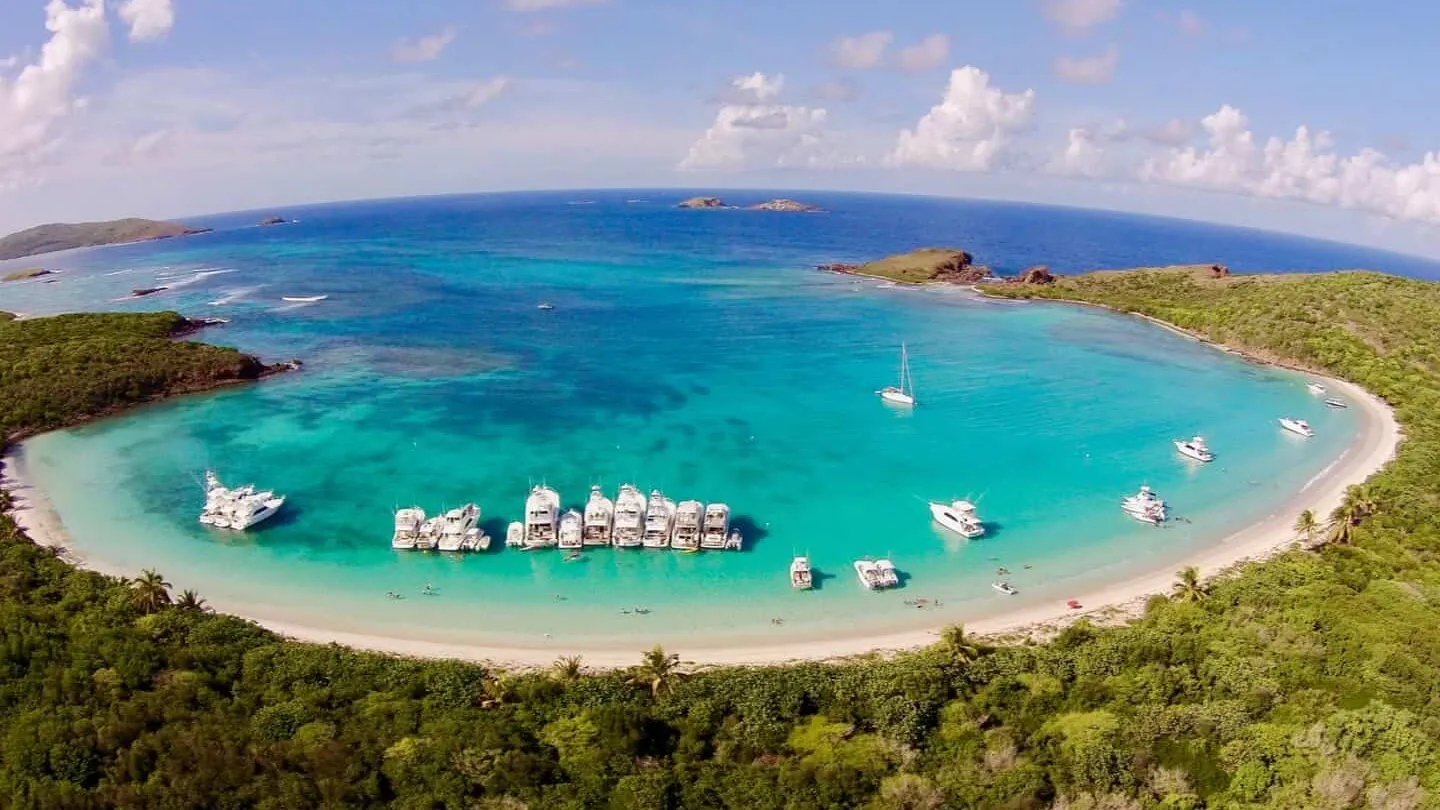
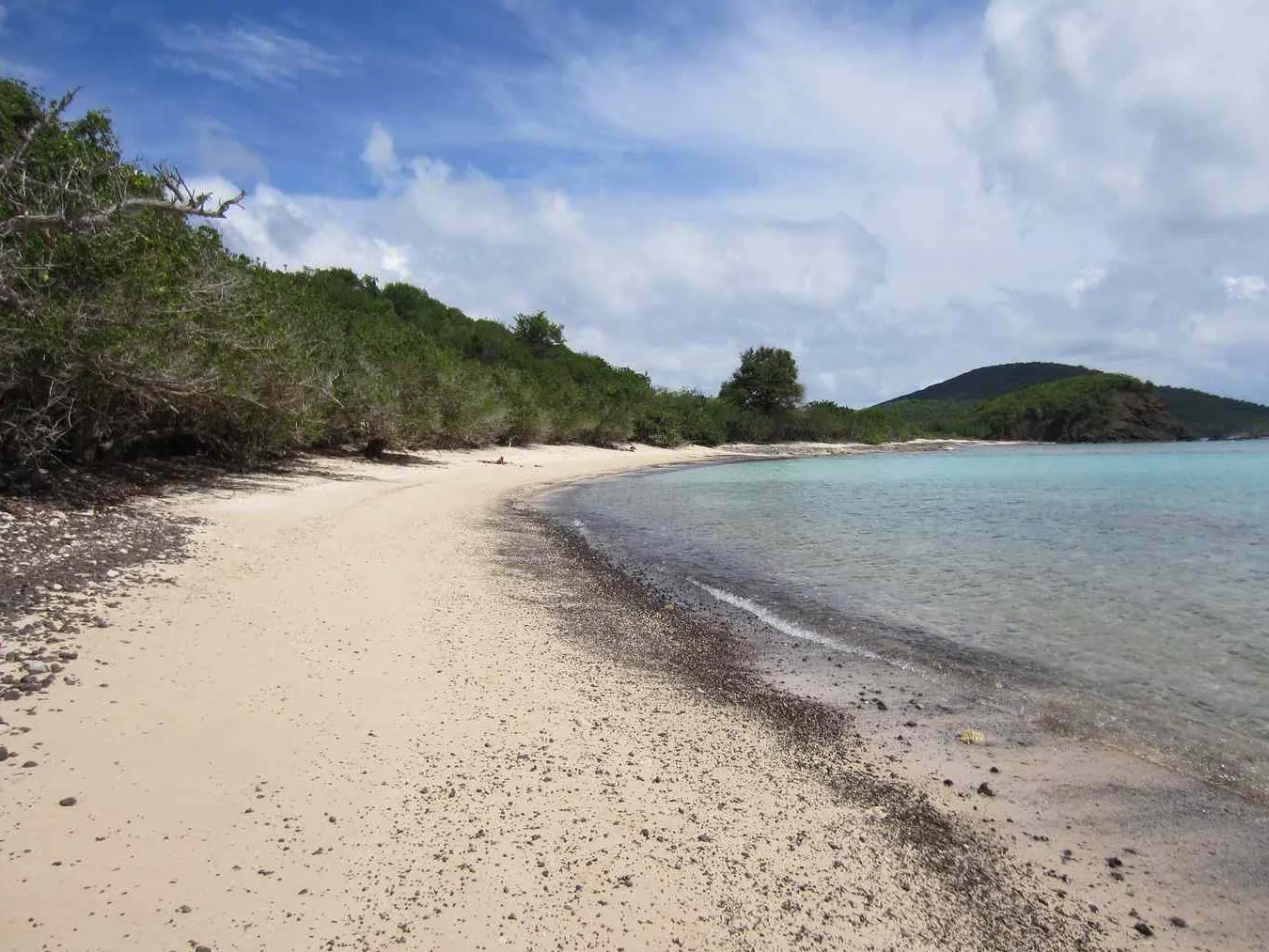
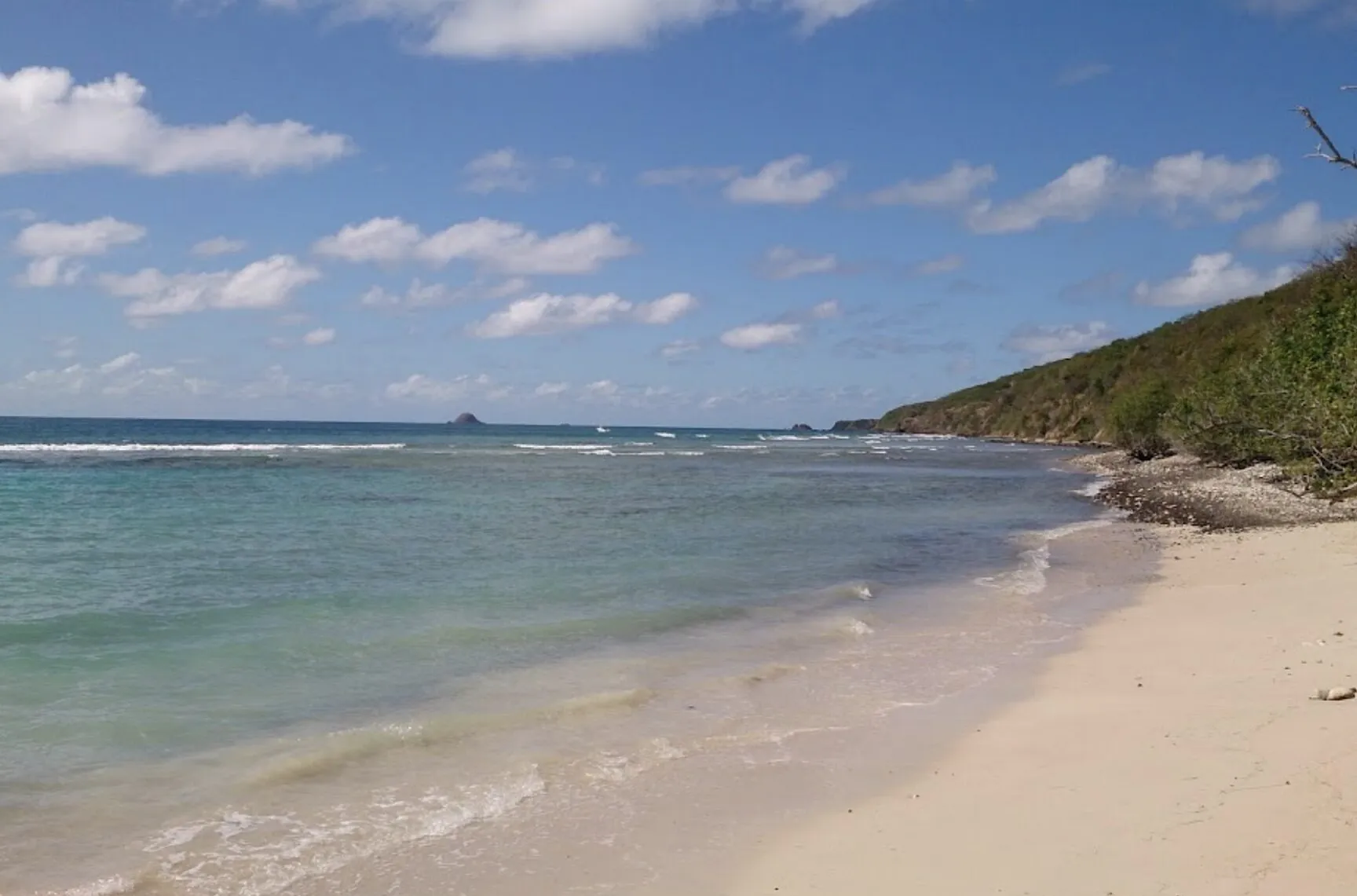
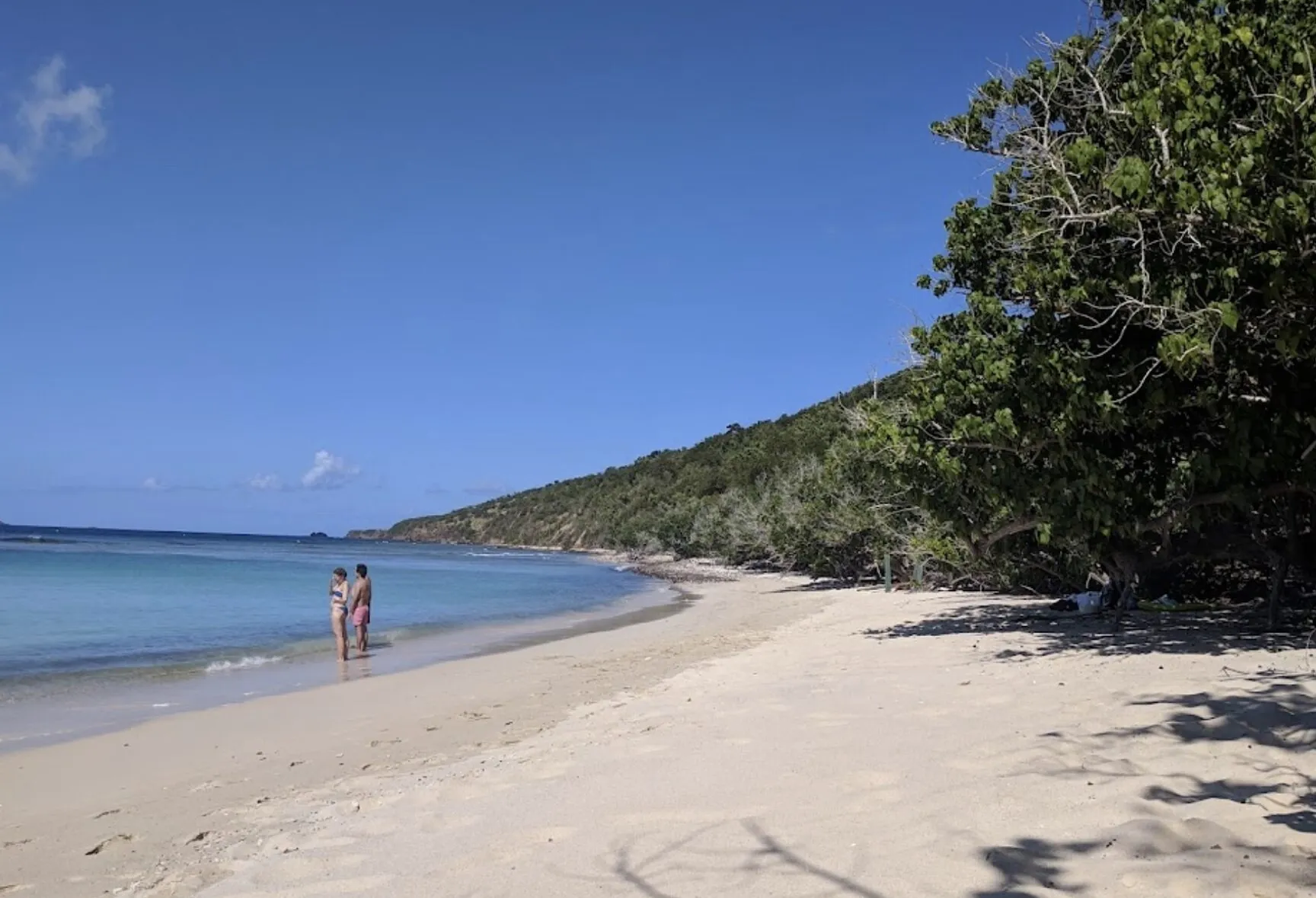
¿Sabías que esta playa paradisíaca fue zona de bombardeos militares hasta hace 50 años? Ven, te cuento los secretos mientras las tortugas nos miran.
The beach is open 24 hours a day as a public space, but visiting during daylight hours is recommended for safety. You can get there by jeep, taxi, or on foot from the town of Culebra via a dirt path that takes about 15–20 minutes; rent a vehicle at the ferry terminal or use local services. More info at Discover Puerto Rico.
It is completely free, as it is a public beach in Culebra. You will only pay for transportation (the ferry from Fajardo costs around $5–10 round trip) or equipment rental if needed. Check ferry fares at Puerto Rico Ferry.
Plan for 2–4 hours to enjoy snorkeling, swimming, and relaxing. If you bring your own gear, you can stay longer, but avoid leaving too late because of the lack of lighting.
It is part of the Culebra Nature Reserve, known for its crystal-clear waters that are ideal for spotting sea turtles and coral. Historically, Culebra was used by the U.S. Navy until 1975, which helped preserve its untouched beaches. Learn more at DRNA.
Go early in the morning (8–11 am) for calmer waters and fewer people, or during the dry season (December–April) to avoid rain. Avoid weekends if you are looking for peace and quiet.
It is not very accessible; access is via an uneven sand and dirt trail with no ramps or adapted facilities. If you have reduced mobility, consider closer beaches such as Flamenco Beach, which has better infrastructure.
Nearby are Flamenco Beach (10–15 minutes by jeep, ranked among the best beaches in the world), Zoni Beach, and the Culebra Lighthouse. You can also combine your visit with a snorkeling tour in the area.
Bring snorkeling gear, reef-safe sunscreen, water, snacks, and water shoes because of the rocks. Do not leave trash and respect marine life; use natural insect repellent. Check the forecast at Weather.com Culebra.
¿Prefieres escuchar en español?
🇪🇸 Escucha la audioguía de Carlos Rosario Beach en español