¿Sabías que el primer monasterio cisterciense de Portugal terminó en ruinas por una orden real que expulsó a sus monjes de la noche a la mañana?
The monastery is managed by Portugal's Directorate-General for Cultural Heritage (DGPC). I strongly recommend always checking its official website or calling directly, as opening hours may vary by season or special events. Sites like this are usually open from Tuesday to Sunday, closing on Mondays and some public holidays. Here is the DGPC link, where they usually publish information about their monuments: DGPC Cultural Heritage.
In general, national monuments in Portugal charge an admission fee for their upkeep, although they often offer discounts for students, seniors, or groups, and sometimes have free-entry days. For the exact price and any possible discounts, it is best to check the monument's section on the DGPC website or call them directly before your visit. It is a small investment that helps preserve this heritage.
To have a good experience and appreciate the architecture and surroundings of the Monastery of São João de Tarouca, I would recommend setting aside at least 1.5 to 2 hours. If you enjoy photography or taking in details, you could stay a little longer. It is not a huge site, but it is well worth savoring at a relaxed pace.
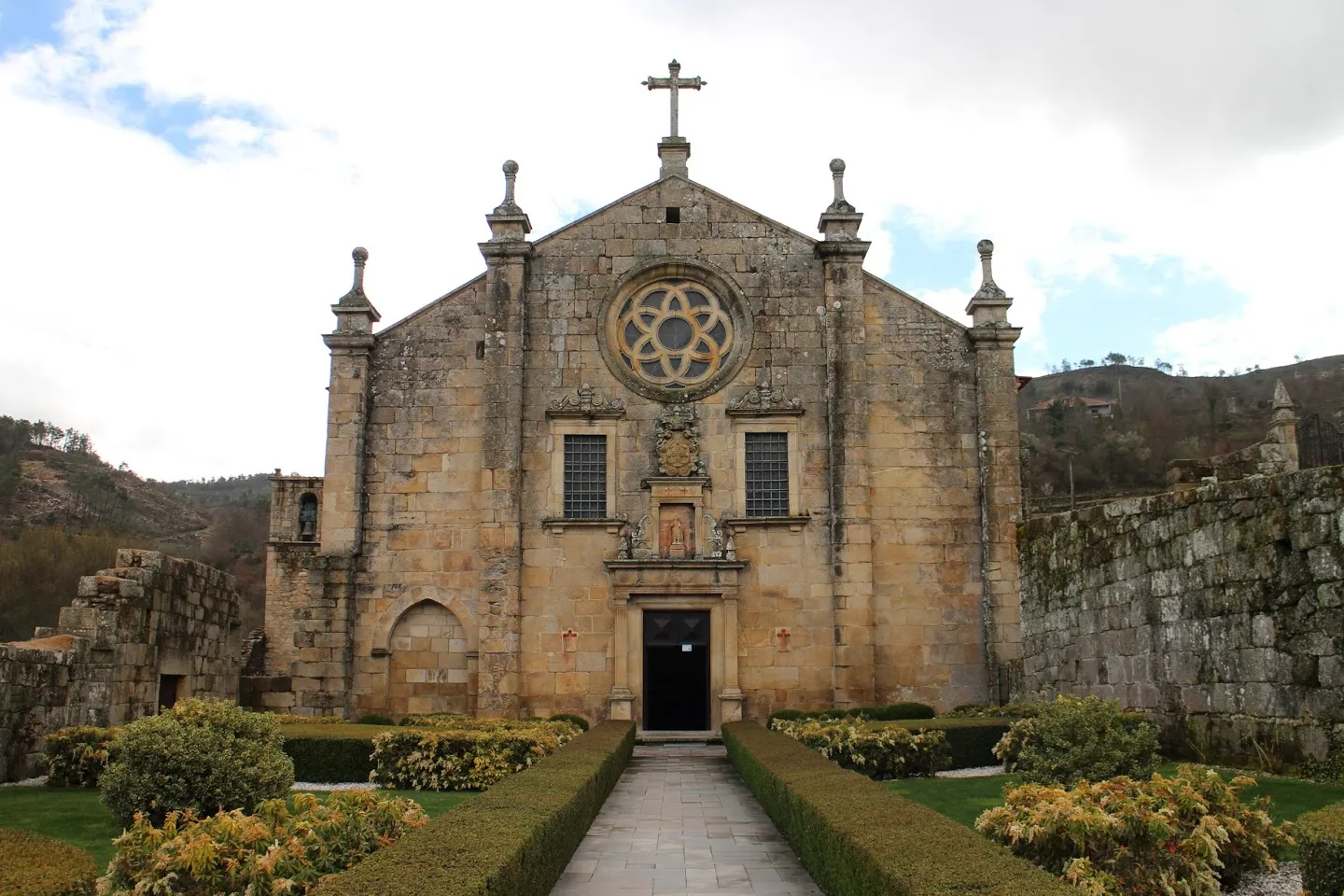
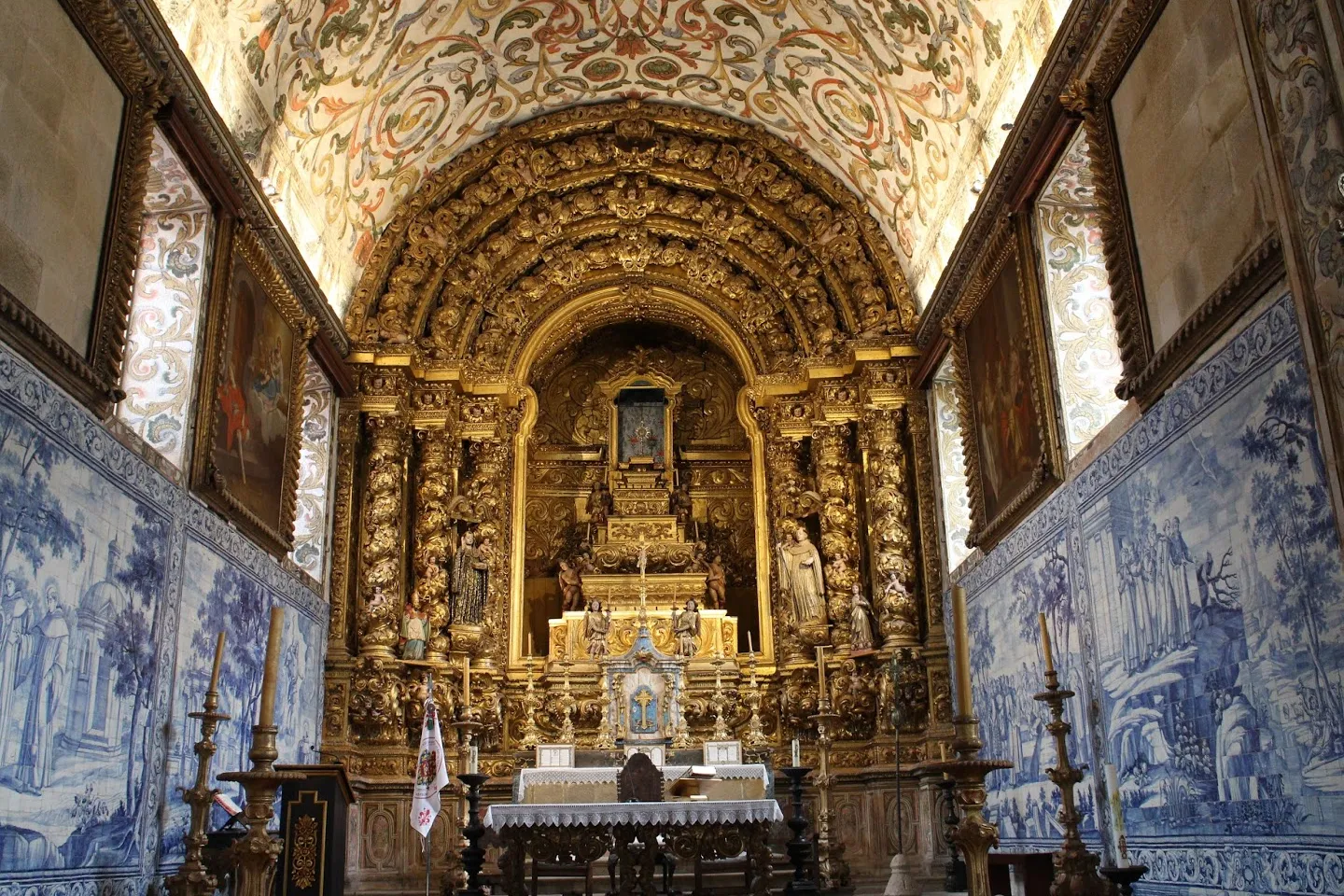
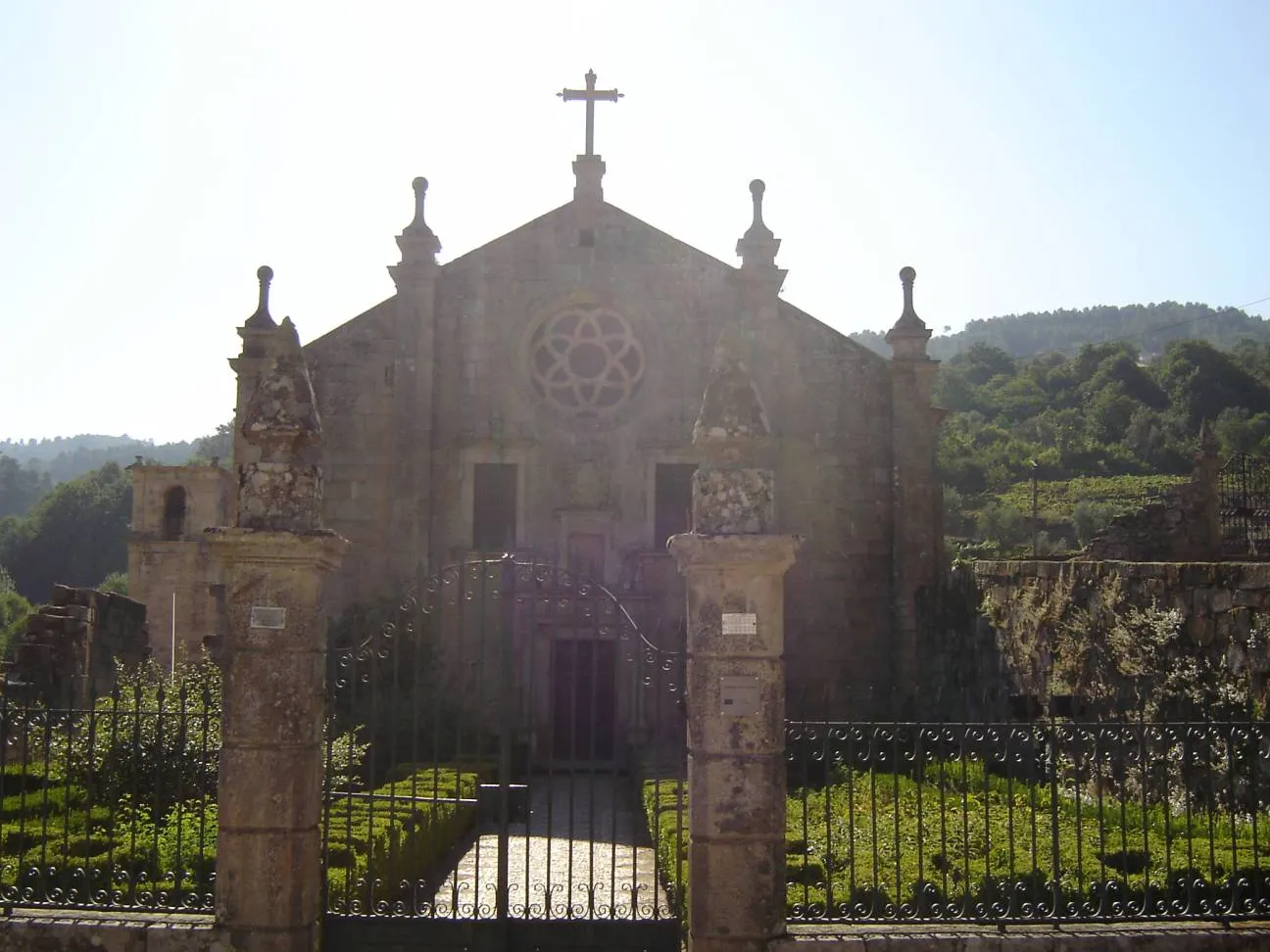
The Monastery of São João de Tarouca is highly important because it was the first Cistercian monastery founded in Portugal, in the 12th century. Its architecture is an impressive testimony to the Romanesque and Gothic styles that evolved over the centuries, marking a milestone in the expansion of this monastic order across the Iberian Peninsula and in the history of the country. It is a living piece of Portugal's foundational history.
For a quieter experience, I recommend avoiding summer weekends and national holidays. Ideally, visit the monastery first thing in the morning when it opens, or late in the afternoon, when the light is more beautiful for photos and there are usually fewer people. Spring and autumn, with their pleasant temperatures, are also fantastic times to enjoy the surroundings without the summer heat. Weekdays are always better if you have the flexibility.
Since it is an ancient monument, full accessibility for people with reduced mobility may be challenging in some areas. There may be ramps or adapted access in certain parts, but historic structures like this often have steps or uneven ground. The most advisable thing is to contact the DGPC or the site staff directly before your visit to get specific information about accessibility and whether they can offer any kind of assistance. They are usually very helpful: [email protected].
This region is incredibly rich. Very close by you have the Monastery of Salzedas and the Monastery of Candeias, forming the Route of the Cistercian Monasteries. You can also explore the charming town of Moimenta da Beira, known for its apples and wines. If you have time, the Távora-Varosa Wine Route (Távora-Varosa Wine Route) offers wineries for tastings. It is an area of great natural and historical beauty.
Of course. First, wear comfortable shoes, as there may be uneven surfaces. If you go in summer, do not forget water and sun protection. Consider bringing a power bank for your phone if you plan to take lots of photos. If you are interested in history, look up some background information in advance or see whether audio guides are available on site. And please respect the site's rules, such as not touching the objects or using flash. Enjoy this journey into the past!
¿Prefieres escuchar en español?
🇪🇸 Escucha la audioguía de the Monastery of São João de Tarouca en español