Donde dos países y tres siglos de historias se cruzan... y a veces chocan con estrépito.
The Tui–Valença International Bridge is a road and pedestrian crossing open 24 hours a day, 7 days a week. There are no visiting hours or specific restrictions, so you can cross it freely at any time. That said, keep in mind that it is a border crossing, and if you are traveling by vehicle, we recommend staying informed about border regulations and traffic conditions.For more information about traffic or bridge conditions, you can check the website of Spain’s General Directorate of Traffic: www.dgt.es or Portugal’s infrastructure authority: www.infraestruturasdeportugal.pt.
No need to worry about your budget! Crossing the Tui–Valença International Bridge is completely free, whether you are walking or driving. There are no tolls or fees associated with its use, making it a very accessible link between Spain and Portugal.
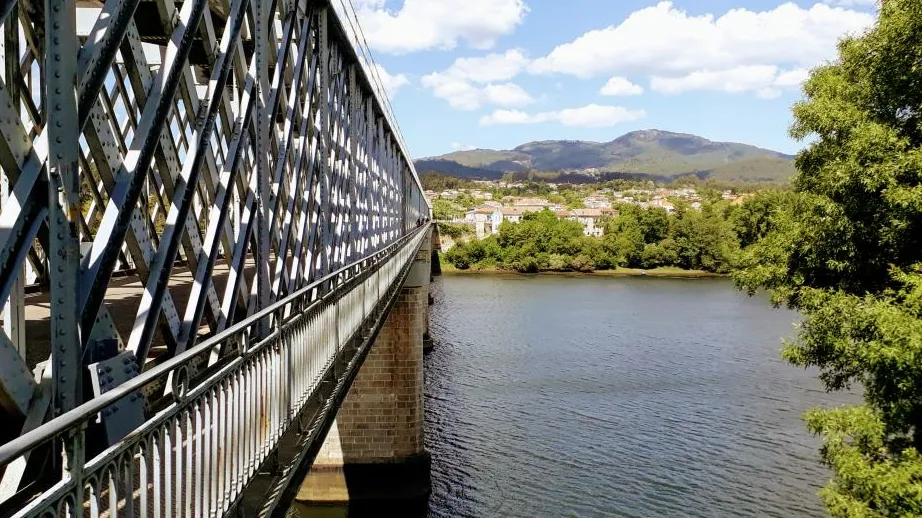
Crossing the bridge on foot will take only about 15–20 minutes, but if you want to enjoy the views, take photos, and explore the first stretches of the riverbanks in Tui and Valença, I would recommend setting aside between 1 and 2 hours. That way, you can enjoy the experience at a relaxed pace.Valença do Minho offers its historic area and fortress, which may require several additional hours, while Tui has its old town, its cathedral, and the Miño riverside promenade, with various activities that can also easily fill your time.
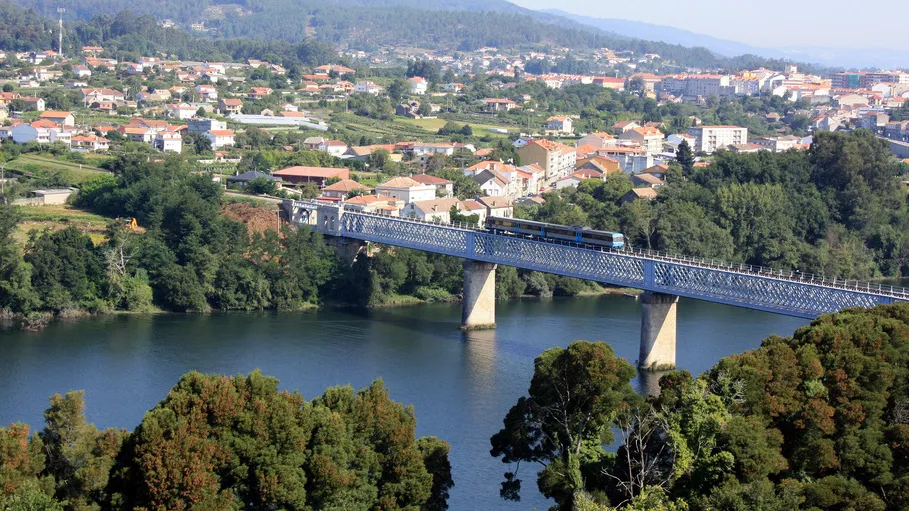
This bridge has a fascinating history that symbolizes unity and peace. Inaugurated in 1886, it was designed by engineer Gustave Eiffel (yes, the one behind the famous tower in Paris) and has become a symbol of friendship between Spain and Portugal. Its importance lies in the fact that it was a milestone in cross-border connection and greatly facilitated trade and communication, strengthening the ties between Tui and Valença as sister cities.
To enjoy it at its best, I recommend visiting at sunrise or sunset, when the light is softer and the views are spectacular. As for the time of year, spring (April–May) and autumn (September–October) offer pleasant temperatures and fewer crowds. Avoid the middle of the day in summer to escape the heat and possible border traffic if you are driving.
Yes, the Tui–Valença International Bridge is accessible for people with reduced mobility. The surface is flat and has no steps, making it easier to cross in a wheelchair or with a stroller. However, keep in mind that it is a long bridge and the distances can feel considerable.In the immediate surroundings, both in Tui and Valença, accessibility will depend on the streets and historic buildings, so we recommend checking the specific information for each attraction if you plan to visit the old town.
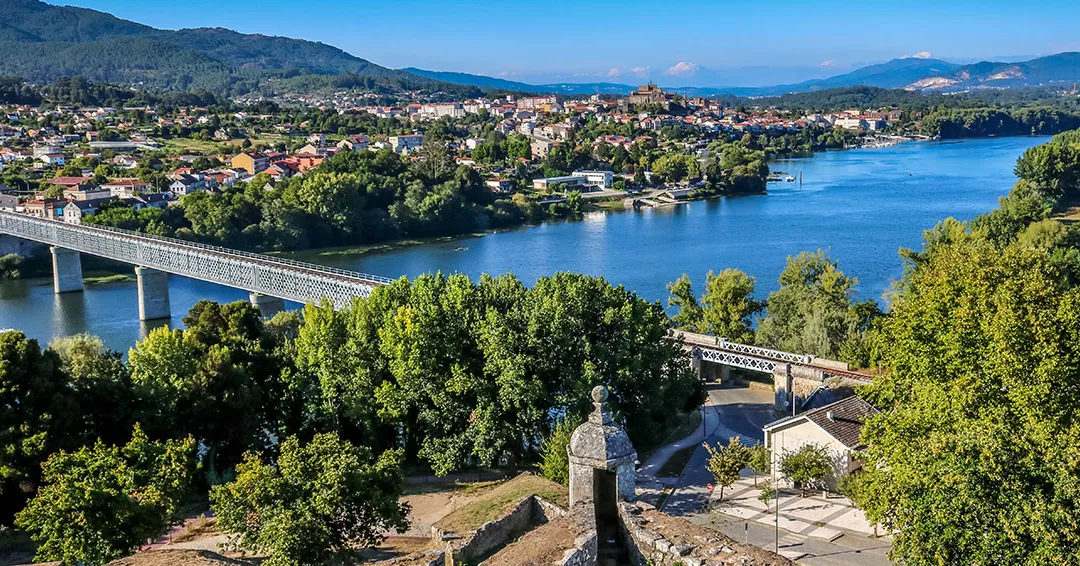
There is plenty to explore on both sides of the bridge. In Valença, do not miss the impressive Fortress of Valença do Minho, with its walls, shops, and the Church of Santo Estêvão. On the Spanish side, Tui awaits you with its magnificent Cathedral of Saint Mary, its historic quarter declared a Historic-Artistic Site, and the Miño riverside promenade. Both town centers offer rich gastronomy and a very pleasant atmosphere.
Of course! First, wear comfortable shoes if you plan to cross on foot and explore the surroundings. Second, do not forget your camera—the views of the Miño River and the two towns are beautiful. If you are driving, be patient, especially in high season or on public holidays, as there may be delays at the border. Finally, consider combining your visit with a walk through the Fortress of Valença and the historic center of Tui for a complete cross-border experience. And of course, try the local cuisine on both sides!
¿Prefieres escuchar en español?
🇪🇸 Escucha la audioguía de the Tui–Valença International Bridge en español