
No te vayas sin conocer la historia Suscribete
IAudioGuia iaudioguia
Audio Guides of Troia

Audio Guide of Tróia Beach

Donde las ruinas romanas se envidian de los yates y los flamencos te regalan el mejor espectáculo gratis

✓ What guidebooks don't tell you
✓ Secrets other tourists miss
✓ Listen while you explore
Discover everything
00:00
00:00

📖 Audio Guide Chapters

6 chapters

1. When the Romans had their garum factory here

🔒 Premium Content

Subscribe to access all chapters of this audio guide.

2. The best-kept mosaic secret

🔒 Premium Content

Subscribe to access all chapters of this audio guide.

3. The curse of the deceived architect

🔒 Premium Content

Subscribe to access all chapters of this audio guide.

4. The flamingos that mistook a yacht for an alpha male

🔒 Premium Content

Subscribe to access all chapters of this audio guide.

5. Look for the dolphin that defied time

🔒 Premium Content

Subscribe to access all chapters of this audio guide.

6. Before Roman Instagram goes dark

🔒 Premium Content

Subscribe to access all chapters of this audio guide.

❓ Frequently Asked Questions

What are the opening hours and how can I access Tróia Beach?

Tróia Beach is open year-round, 24 hours a day, as it is a public beach. You can easily get there by car via the road from Setúbal (about 50 km from Lisbon), or take a ferry from Setúbal, which takes around 15 minutes; check schedules on the official port website at Atlântico Transportes. For more info, contact +351 265 541 100.

How much does it cost to enter Tróia Beach, or is there any fee?

Entry to Tróia Beach is completely free, as it is a public beach accessible to everyone. However, if you use the ferry from Setúbal, the cost is around €10-15 per adult round trip; check updated prices at Visit Portugal.

How much time is recommended at Tróia Beach?

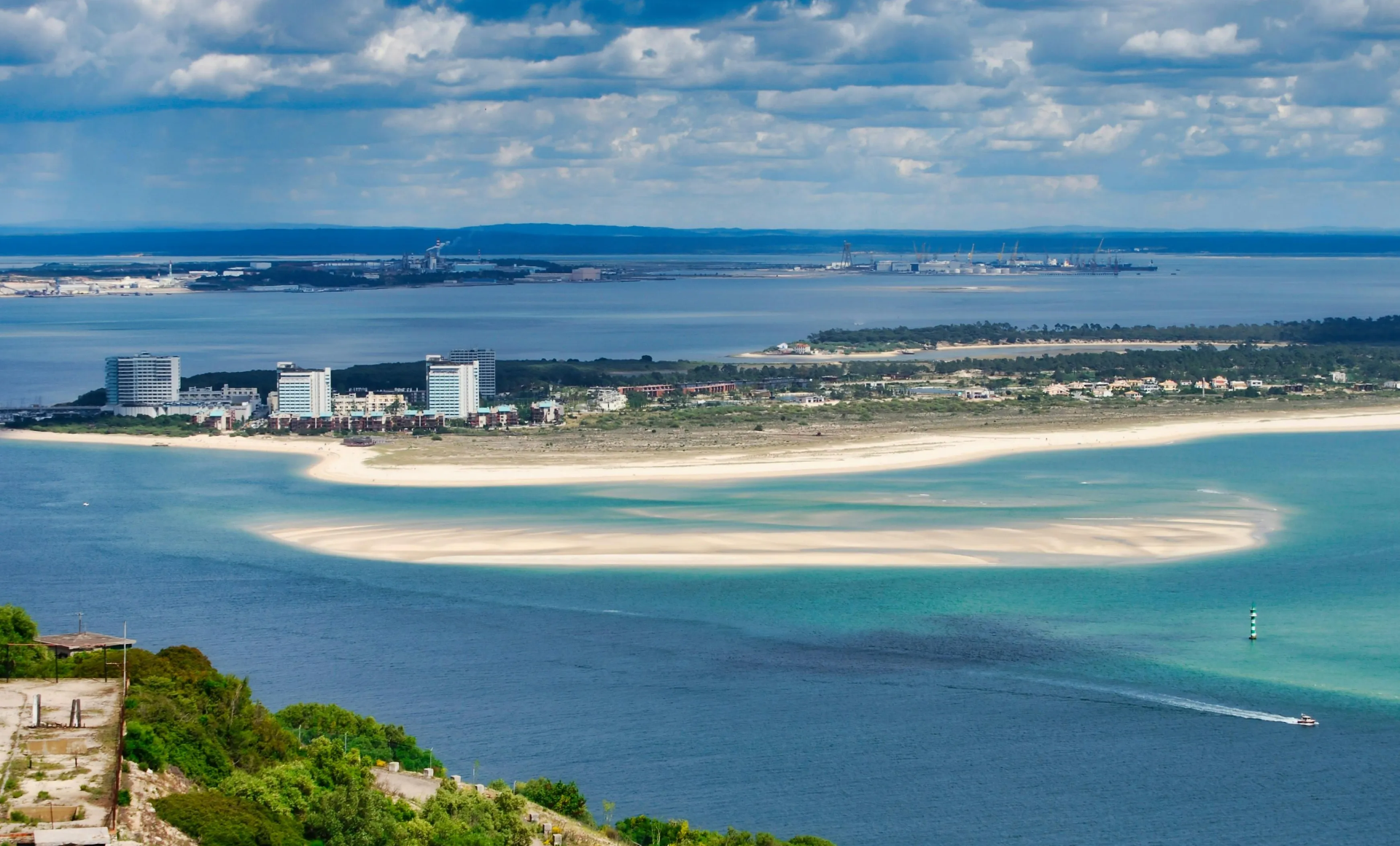
It is recommended to spend at least 2-3 hours enjoying the sun, the sea, and the dunes, but if you explore nearby areas such as the ruins, you could extend your visit to half a day. It is ideal for a relaxed visit without rushing.

What is the history or cultural importance of Tróia Beach?

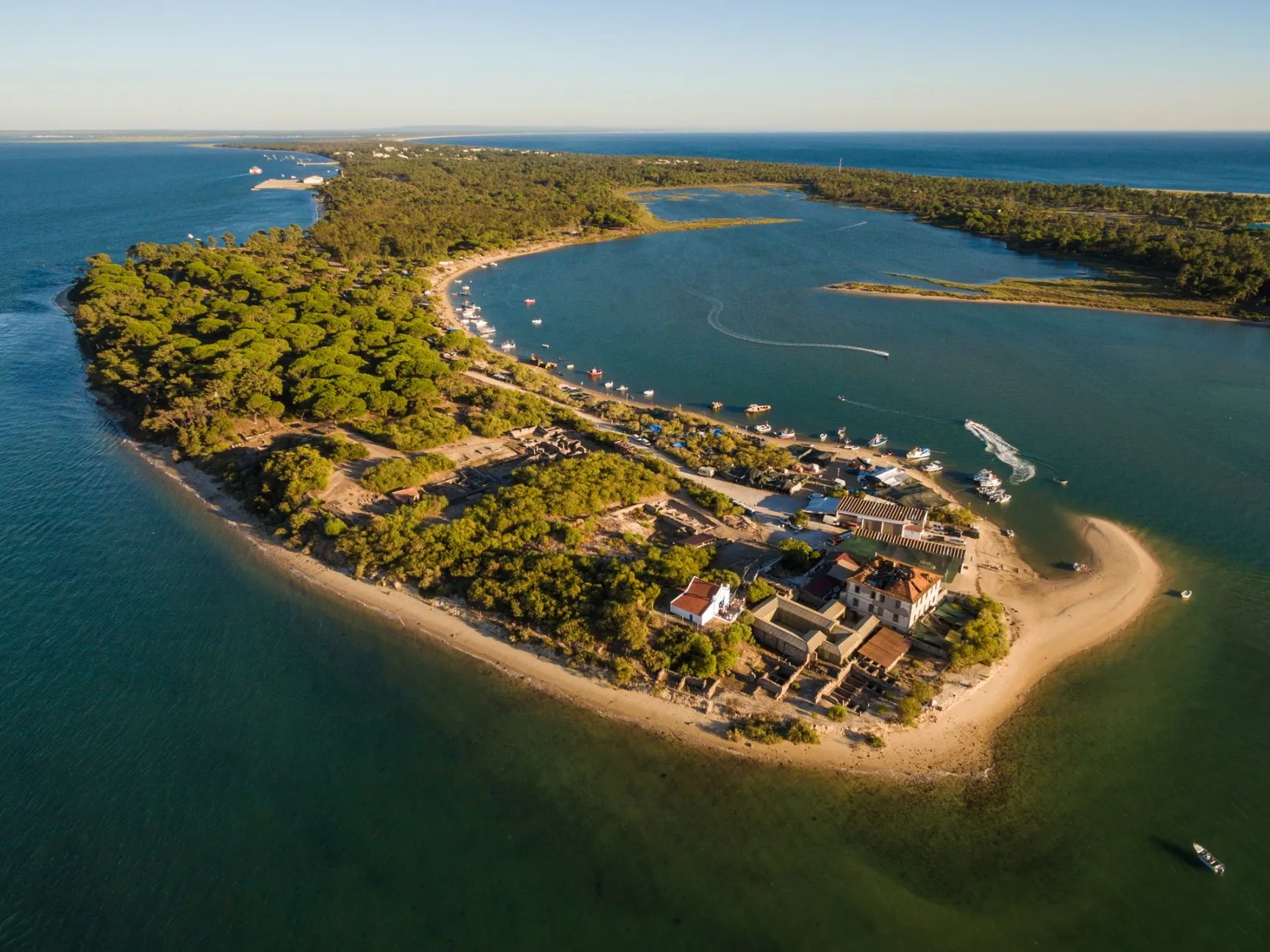
Tróia Beach is part of the ancient Roman settlement of Cetóbriga, an important fish-salting production center in the 1st century BC, which gives it a unique historical value. Today, it represents Portugal's maritime heritage and attracts visitors with its preserved natural beauty.

What is the best time to visit Tróia Beach?

The best time is during the summer (June to September) for ideal swimming, preferably early in the morning to avoid crowds and enjoy the sunrise. In spring or autumn, the weather is mild and less crowded, perfect for walks.

Is Tróia Beach accessible for people with reduced mobility?

There are adapted access points with wooden walkways in some areas of the beach, making it easier for wheelchairs to get closer, although the sand can still be challenging. I recommend checking with Setúbal City Hall at +351 265 541 500 for specific assistance.

What other attractions are near Tróia Beach?

Nearby you will find the Roman Ruins of Tróia, a fascinating archaeological site just 5 minutes away, and the Tróia Casino for evening entertainment. You can also explore the Sado Estuary Nature Reserve, ideal for dolphin watching; more details at Setúbal City Council.

What are some practical tips for visiting Tróia Beach?

Bring sunscreen, water, and a beach umbrella, as the sun is intense; use public transport or rent a car for greater flexibility. Respect environmental rules by avoiding plastics, and if you go in summer, book the ferry in advance to avoid waiting times.

¿Prefieres escuchar en español?

🇪🇸 Escucha la audioguía de Tróia Beach en español