No te vayas sin conocer la historia Suscribete
IAudioGuia iaudioguia
Audio Guides of Troia

Audio Guide of the Roman Ruins of Troia

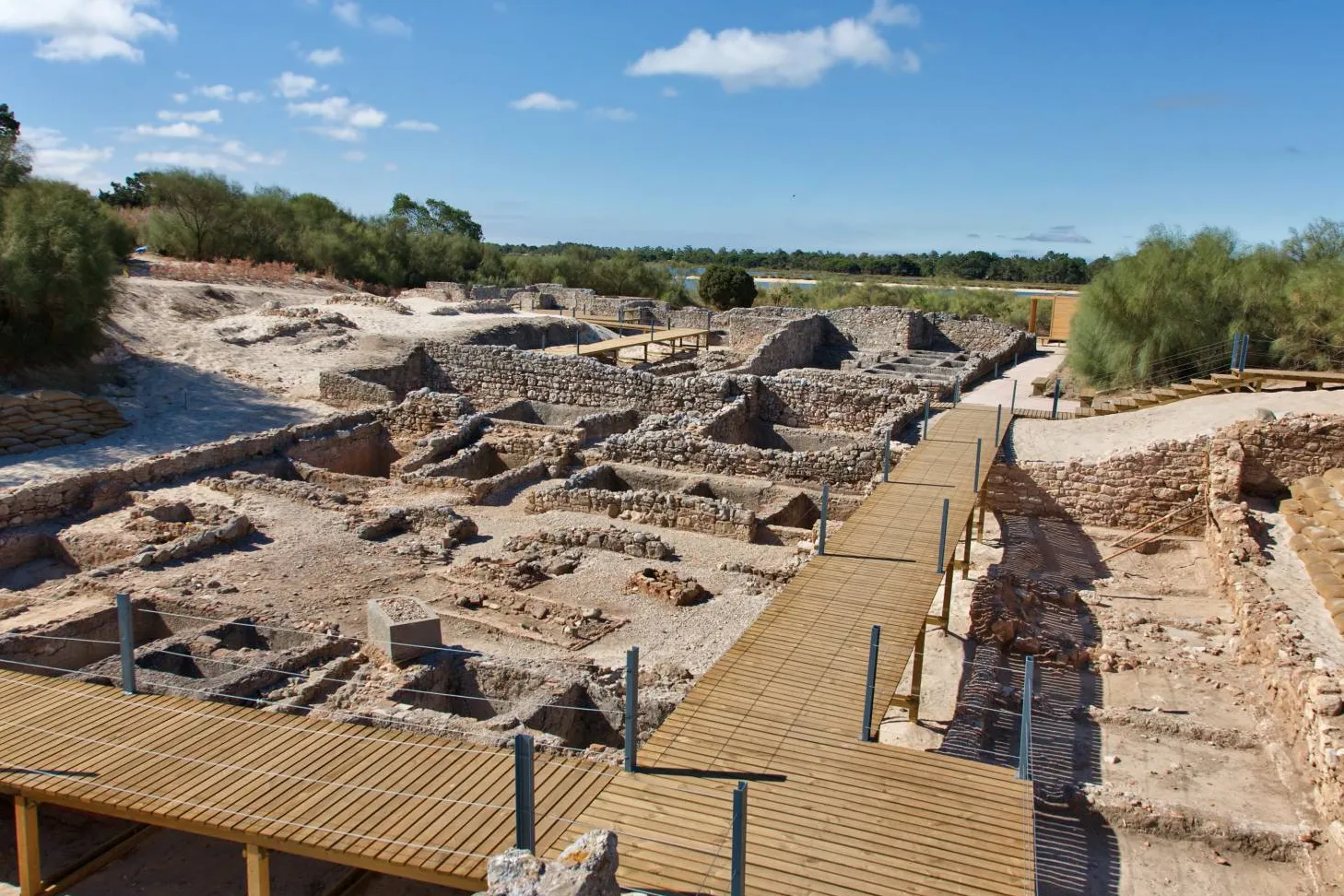
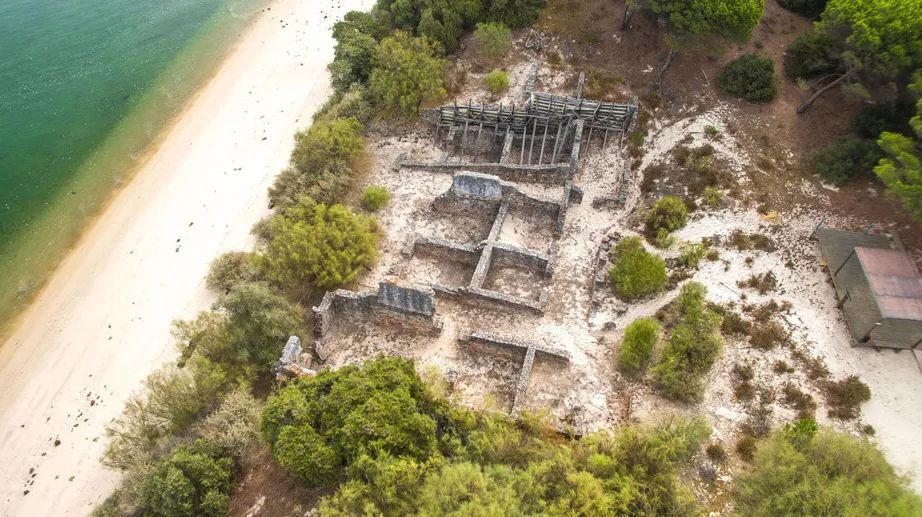
Sitio arqueológico romano en la Península de Troia, Portugal, que alberga los restos de la antigua ciudad de Cetóbriga, un centro clave de producción de salazones y comercio marítimo.

✓ What guidebooks don't tell you
✓ Secrets other tourists miss
✓ Listen while you explore
Discover everything
00:00
00:00
Rate this audio guide

📖 Audio Guide Chapters

6 chapters

1. Welcome to the Roman Ruins of Troia

🔒 Premium Content

Subscribe to access all chapters of this audio guide.

2. The Architecture of the Roman Ruins of Troia

🔒 Premium Content

Subscribe to access all chapters of this audio guide.

3. History and Figures of the Roman Ruins of Troia

🔒 Premium Content

Subscribe to access all chapters of this audio guide.

4. Art and Details of the Roman Ruins of Troia

🔒 Premium Content

Subscribe to access all chapters of this audio guide.

5. Secrets and Curiosities

🔒 Premium Content

Subscribe to access all chapters of this audio guide.

6. Farewell and Recommendations

🔒 Premium Content

Subscribe to access all chapters of this audio guide.

❓ Frequently Asked Questions

What are the opening hours and how can I get to the Roman Ruins of Troia?

The Roman Ruins of Troia are open from Tuesday to Sunday, from 10:00 to 18:00 in high season (May to September), and from 9:00 to 17:00 in winter; they are closed on Mondays and major public holidays. To get there, take the N253 road from Setubal to Troia, accessible by ferry from Setubal or directly by bridge; check the official website for updates at Cultural Heritage.

How much is admission to the Roman Ruins of Troia, and are there any discounts?

Admission costs around 3 euros for adults, and is free for children under 12 and people with disabilities; there are 50% discounts for students and seniors over 65. Check updated prices on the official website or call +351 265 238 230 for group bookings.

How much time is needed to visit the Roman Ruins of Troia?

It is recommended to allow at least 1 to 2 hours to explore the main ruins, including the baths, the theater, and the Roman houses, with time to read the information panels. If you go with a guide, it may extend to 2 to 3 hours for a more immersive experience.

What is the historical importance of the Roman Ruins of Troia?

Troia was an important port and center for the production of salt and garum (fish sauce) in Roman times, from the 1st century BC to the 4th century AD, reflecting the economic prosperity of the Setubal region. These ruins illustrate daily Roman life and its influence on Mediterranean trade, and they have been declared National Heritage for their cultural value.

What is the best time to visit the Roman Ruins of Troia?

Spring (March to May) or autumn (September to November) are ideal because of the mild weather and fewer tourists, avoiding the summer heat. Visit early in the morning to enjoy the natural light and avoid crowds, especially on weekends.

Are the Roman Ruins of Troia accessible for people with reduced mobility?

The site has paved paths in the main areas, but some parts are uneven due to the archaeological terrain; there are ramps at key entrances, although it is not fully wheelchair accessible. Contact +351 265 238 230 for assistance or adapted guided tour options; more info at Visit Portugal.

What other attractions are near the Roman Ruins of Troia?

Nearby you will find Troia Beach, ideal for relaxing, and Santiago Fort, a 17th-century fortress just 1 km away. In Setubal, 10 minutes by ferry, visit Livramento Market or the Monastery of Jesus; explore Arrabida Natural Park for hiking trails.

What are some practical tips for visiting the Roman Ruins of Troia?

Bring comfortable shoes and sunscreen, as the site is outdoors and exposed; download the audio guide app from the Directorate-General for Cultural Heritage to enrich your visit. Book in advance during high season and combine your visit with a picnic on the nearby beach for a full day out.

¿Prefieres escuchar en español?

🇪🇸 Escucha la audioguía de the Roman Ruins of Troia en español