No te vayas sin conocer la historia Suscribete
IAudioGuia iaudioguia
Audio Guides of Troia

Audio Guide of the Tróia Peninsula

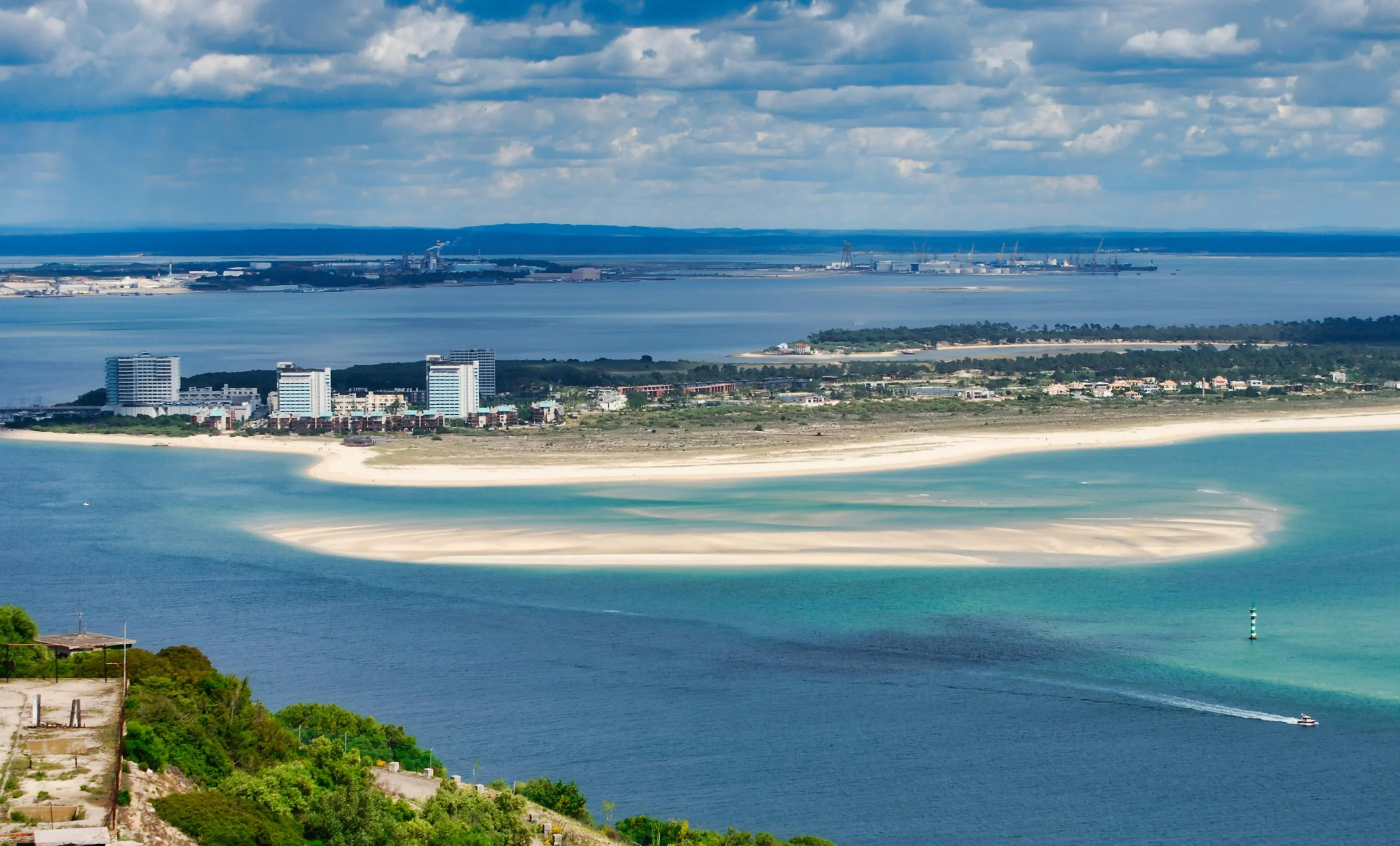
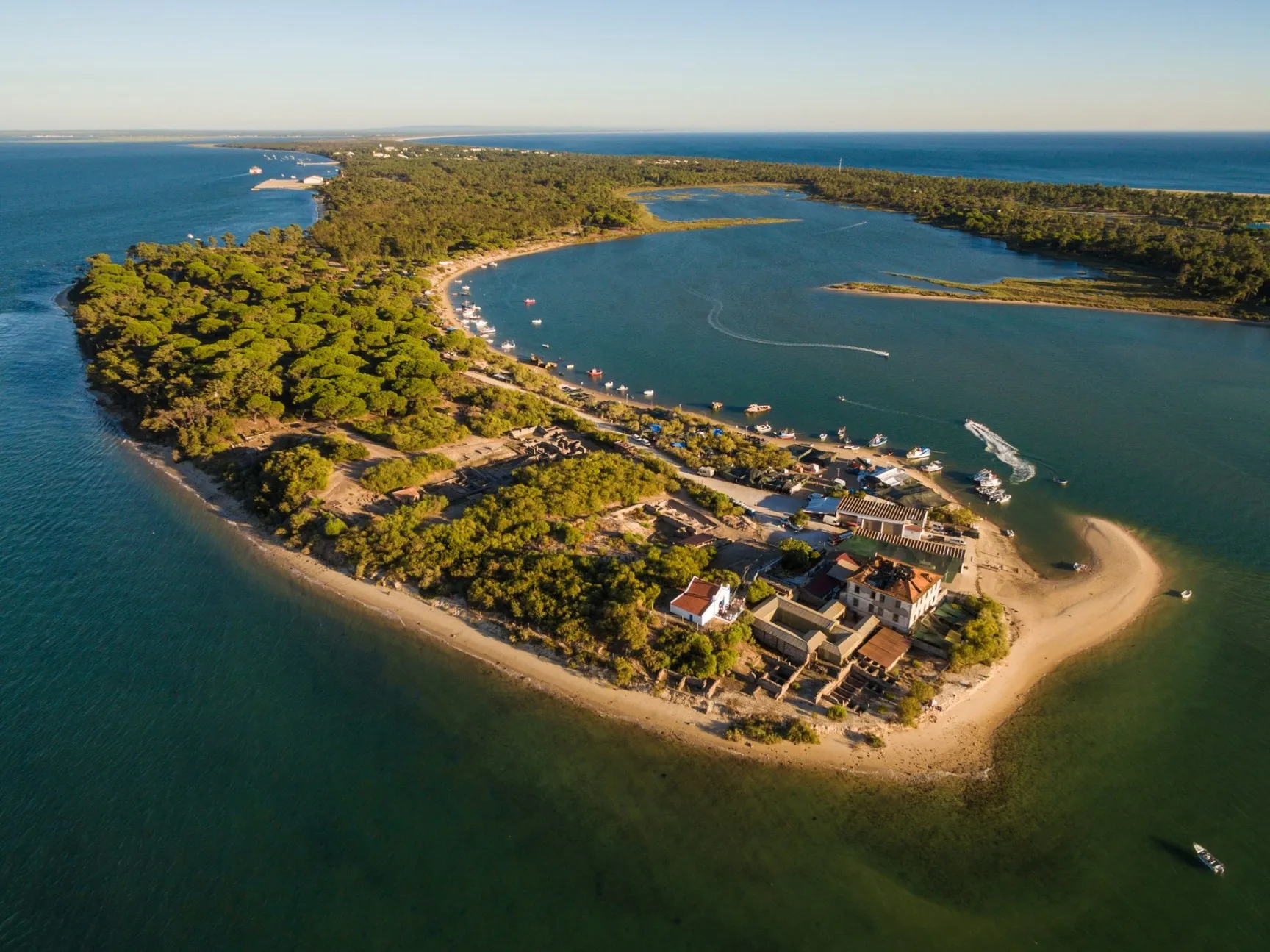
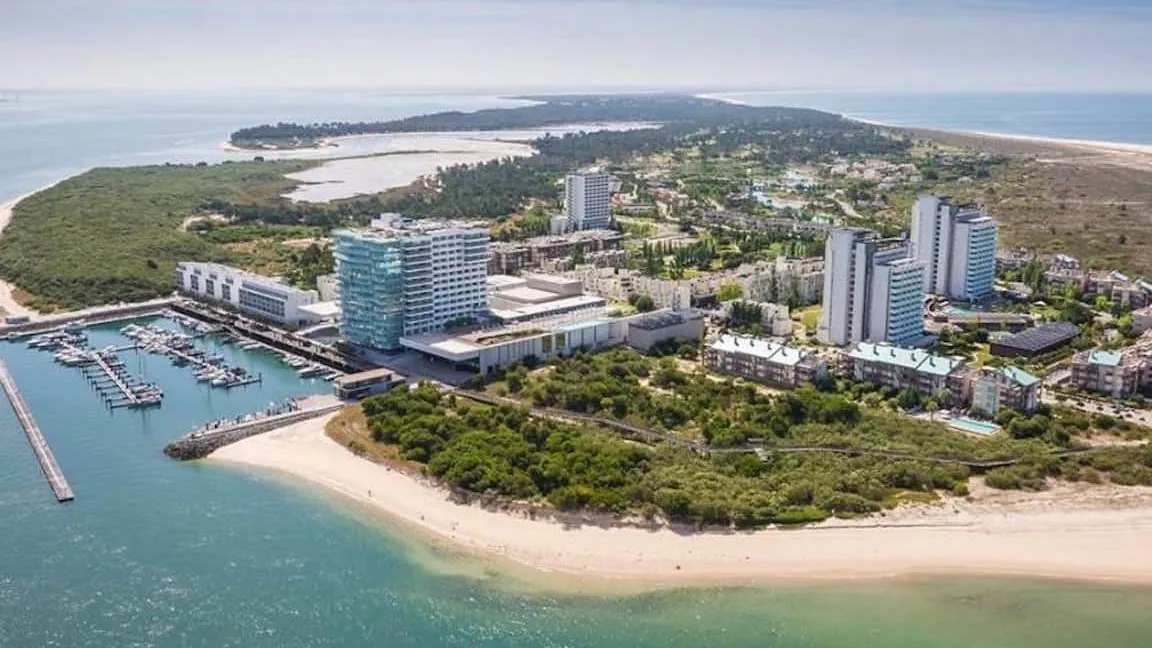
La Península de Troia, en Setúbal, Portugal, es un enclave natural con playas de arena blanca salpicada de conchas y ruinas romanas que evocan la vida antigua del Atlántico. Un lugar donde historia y naturaleza se entrelazan en un paisaje sereno.

✓ What guidebooks don't tell you
✓ Secrets other tourists miss
✓ Listen while you explore
Discover everything
00:00
00:00

📖 Audio Guide Chapters

6 chapters

1. Welcome to the Tróia Peninsula

🔒 Premium Content

Subscribe to access all chapters of this audio guide.

2. The Architecture of the Tróia Peninsula

🔒 Premium Content

Subscribe to access all chapters of this audio guide.

3. History and Figures of the Tróia Peninsula

🔒 Premium Content

Subscribe to access all chapters of this audio guide.

4. Art and Details of the Tróia Peninsula

🔒 Premium Content

Subscribe to access all chapters of this audio guide.

5. Secrets and Curiosities

🔒 Premium Content

Subscribe to access all chapters of this audio guide.

6. Farewell and Recommendations

🔒 Premium Content

Subscribe to access all chapters of this audio guide.

❓ Frequently Asked Questions

What are the ferry schedules to get to the Tróia Peninsula and how can I access it?

To reach the Tróia Peninsula, the most common and convenient option is to take a ferry from Setúbal. There are two types of service: the passenger catamaran, which takes about 15 minutes, and the car ferry, which takes 30 minutes. They generally operate from 7:30 a.m. until midnight, although schedules vary by season, so I recommend checking the official Atlantic Ferries website for the most up-to-date times: atlanticferries.pt.

How much does the ferry to Tróia cost? Is there any fee to enter the peninsula itself?

Entry to the Tróia Peninsula as such is free, as it is an open area with public beaches and resorts. The cost you will need to consider is the ferry from Setúbal. Prices vary depending on whether you go as a passenger only or take a vehicle. You can check exact and updated fares on the Atlantic Ferries website to plan your budget: atlanticferries.pt.

How much time do I need to visit the Tróia Peninsula and its main attractions?

To enjoy the beaches, take a stroll around the marina, explore the Roman ruins of Tróia and perhaps have lunch, I recommend dedicating at least half a day, around 4-5 hours. If you want to relax on one of its beautiful beaches or enjoy water activities, you could easily stay a full day or even a weekend.

What history or significance does the Tróia Peninsula have? Is there anything interesting I should know before visiting?

The Tróia Peninsula is famous for its ancient Roman ruins, known as 'Cetobriga', dating back to the 1st century AD, which were an important center for the production of salted fish. In addition to its historical value, it is a stunning natural enclave, a paradise of dunes, sandbanks and pine forests, and home to one of the most prestigious golf courses in Europe. It is a place where history, nature and luxury merge.

What is the best time of year and best time of day to visit Tróia?

The best time to visit the Tróia Peninsula is between spring (April-May) and early autumn (September-October), when the weather is warm and sunny but the crowds are smaller than in midsummer. To avoid crowds on the beaches and get the best light for photography, I recommend going early in the morning or late in the afternoon. Sunsets in Tróia are spectacular.

Is the Tróia Peninsula accessible for people with reduced mobility?

In general, the developed areas such as the marina and the tourist resorts of Tróia are designed with some accessibility in mind. However, the beaches and the Roman Ruins of Tróia can present certain difficulties due to the sand or uneven terrain. If you are traveling with special needs, I suggest contacting service providers directly (such as the ferry) and accommodations to confirm their accessibility facilities.

What other places of interest are there near the Tróia Peninsula that I could visit?

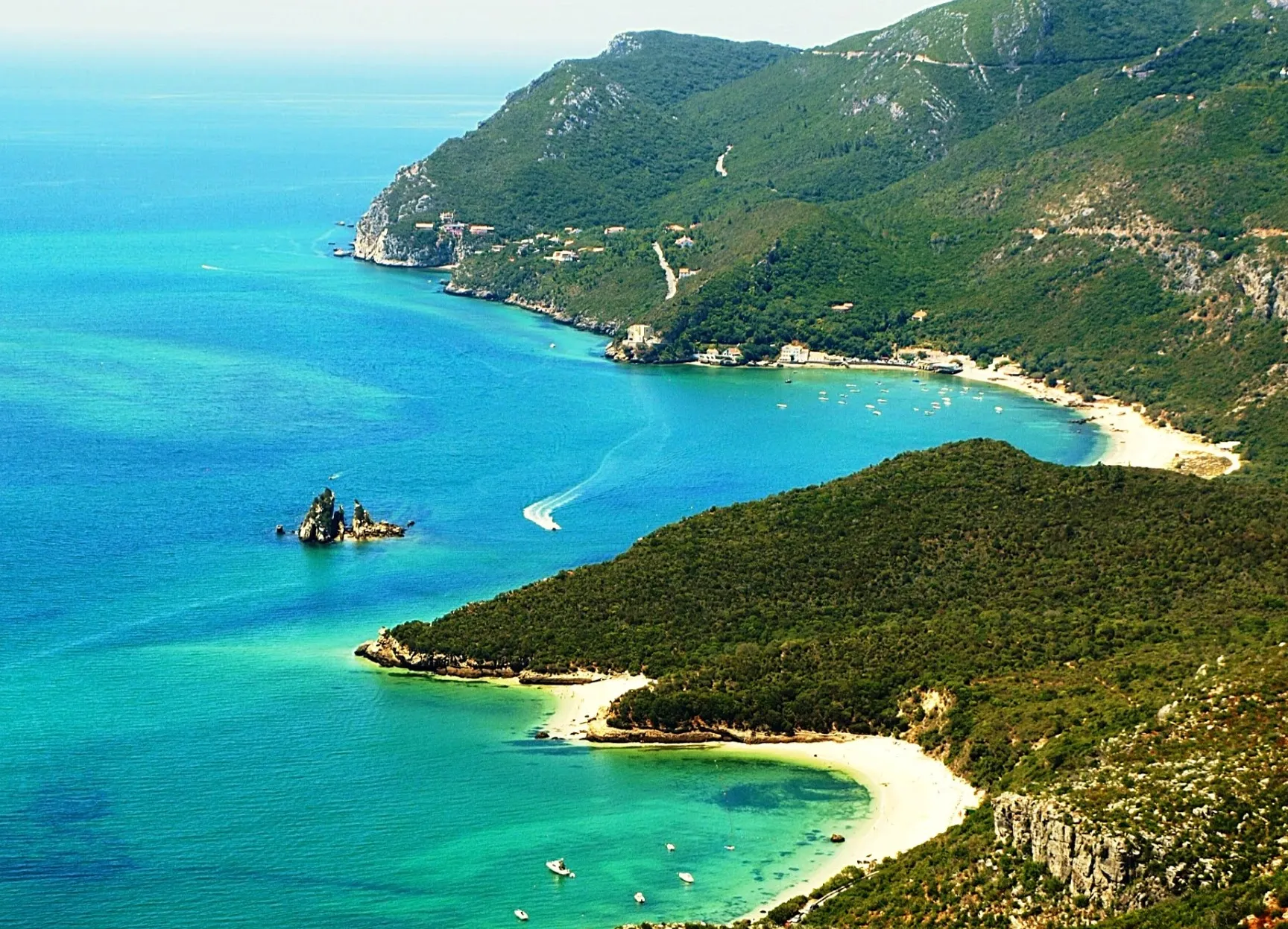
On the other side of the estuary you can visit Setúbal, a city with authentic Portuguese charm, famous for its fish market and the Arrábida Natural Park, with mountainous landscapes and hidden beaches. You can also take dolphin-watching tours from Setúbal, which usually head toward the Sado estuary and the Tróia coast. Don't miss it!

Any practical tips to make the most of my visit to the Tróia Peninsula?

Of course! I advise bringing sunscreen, a hat and sunglasses, as the sun can be intense, especially in summer. If you plan to visit the Roman Ruins, wear comfortable shoes. For the beaches, don't forget your swimsuit and towel. If you go by car, there are large parking areas. Consider booking the ferry in advance during high season if you are taking a vehicle.

¿Prefieres escuchar en español?

🇪🇸 Escucha la audioguía de the Tróia Peninsula en español