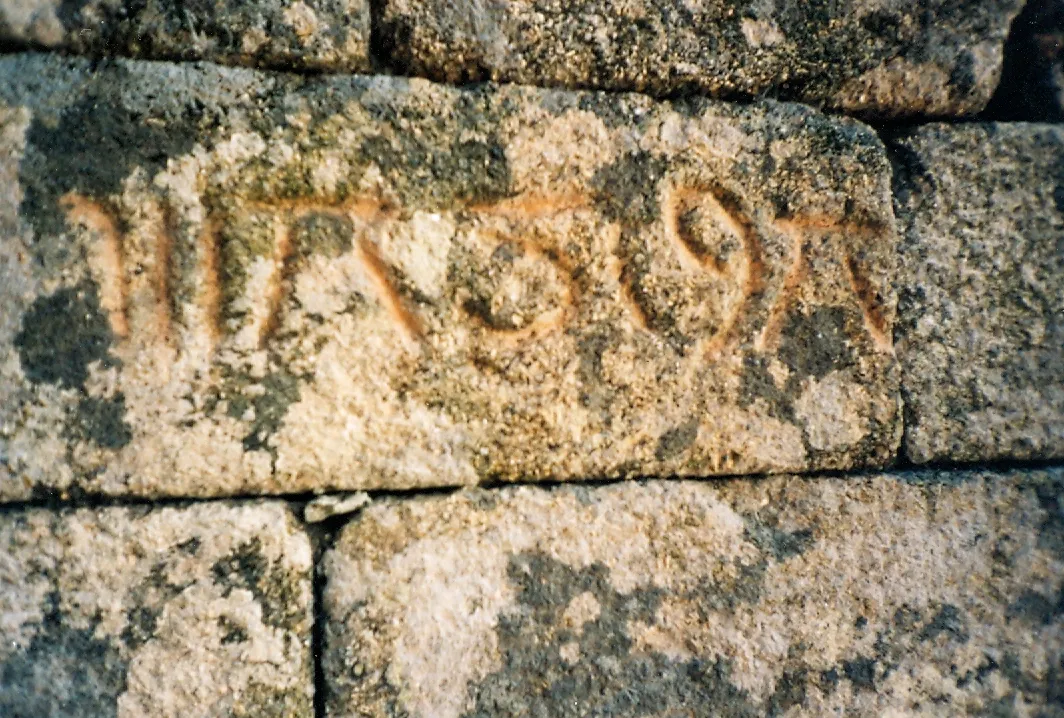
Mensajes romanos tallados en rocas vivas: ¿qué secretos susurran estas piedras mientras paseas por un pueblo que parece salido de un cuento?
The Epigraphic Museum of Idanha-a-Velha is usually open from Tuesday to Sunday. I suggest checking the latest opening hours directly on the website of the Idanha-a-Nova Town Hall or contacting them at 277 200 800 for confirmation. Idanha-a-Velha is a small village, so once you are there, the museum is easy to find.
Admission to the Epigraphic Museum of Idanha-a-Velha is often free or has a symbolic fee, especially since it is a municipal museum. However, to avoid surprises, I recommend checking the most recent information on the region's official tourism website or directly with the museum. It is always best to confirm.
For a relaxed visit and to properly appreciate all the pieces, I suggest allowing between 45 minutes and 1 hour for the museum. If you are passionate about Roman epigraphy, you might stay even longer! It is a small but very interesting museum.
The Epigraphic Museum of Idanha-a-Velha is unique because it houses an impressive collection of Roman inscriptions, most of them found in Idanha-a-Velha itself, which was the important Roman city of Egitania. These inscriptions offer us a direct window into the life, beliefs, and social organization of ancient Roman civilization in this region. It is a true gem for understanding local history and Roman influence.
The best time to visit Idanha-a-Velha and its museum is during spring (April-May) or early autumn (September-October), when the weather is milder and more pleasant for walking around the village. As for the best time of day, if you can go early in the morning or late in the afternoon, you will avoid the hottest hours in summer and will probably find fewer people.
Since the museum is located in an old building, accessibility may be limited. I strongly suggest contacting the museum directly or the Idanha-a-Nova tourist office (phone: +351 277 200 800) before your visit to confirm access facilities for people with reduced mobility and plan your route without inconvenience.
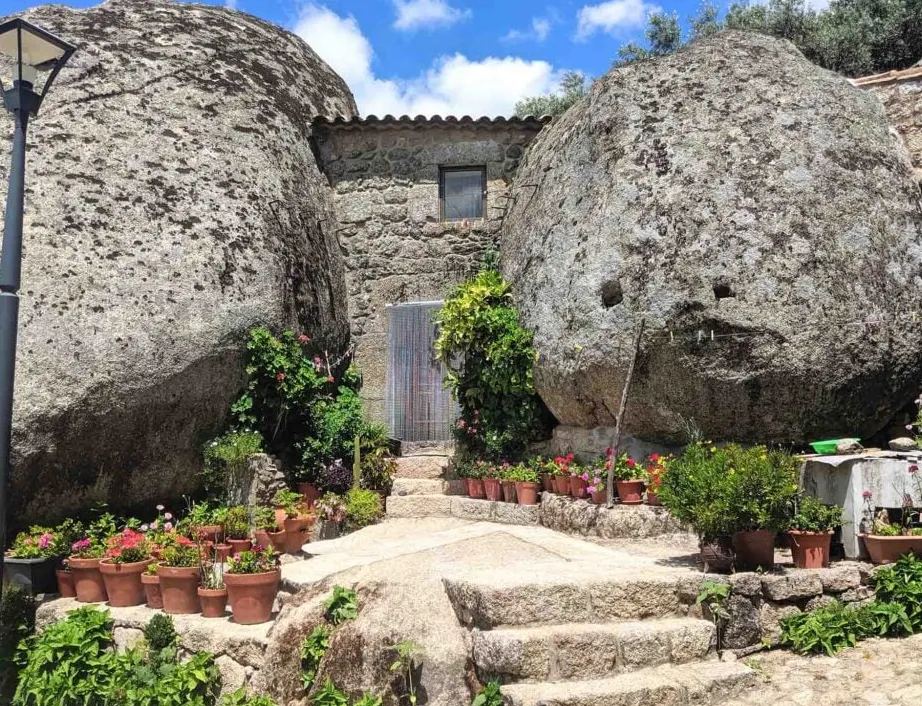
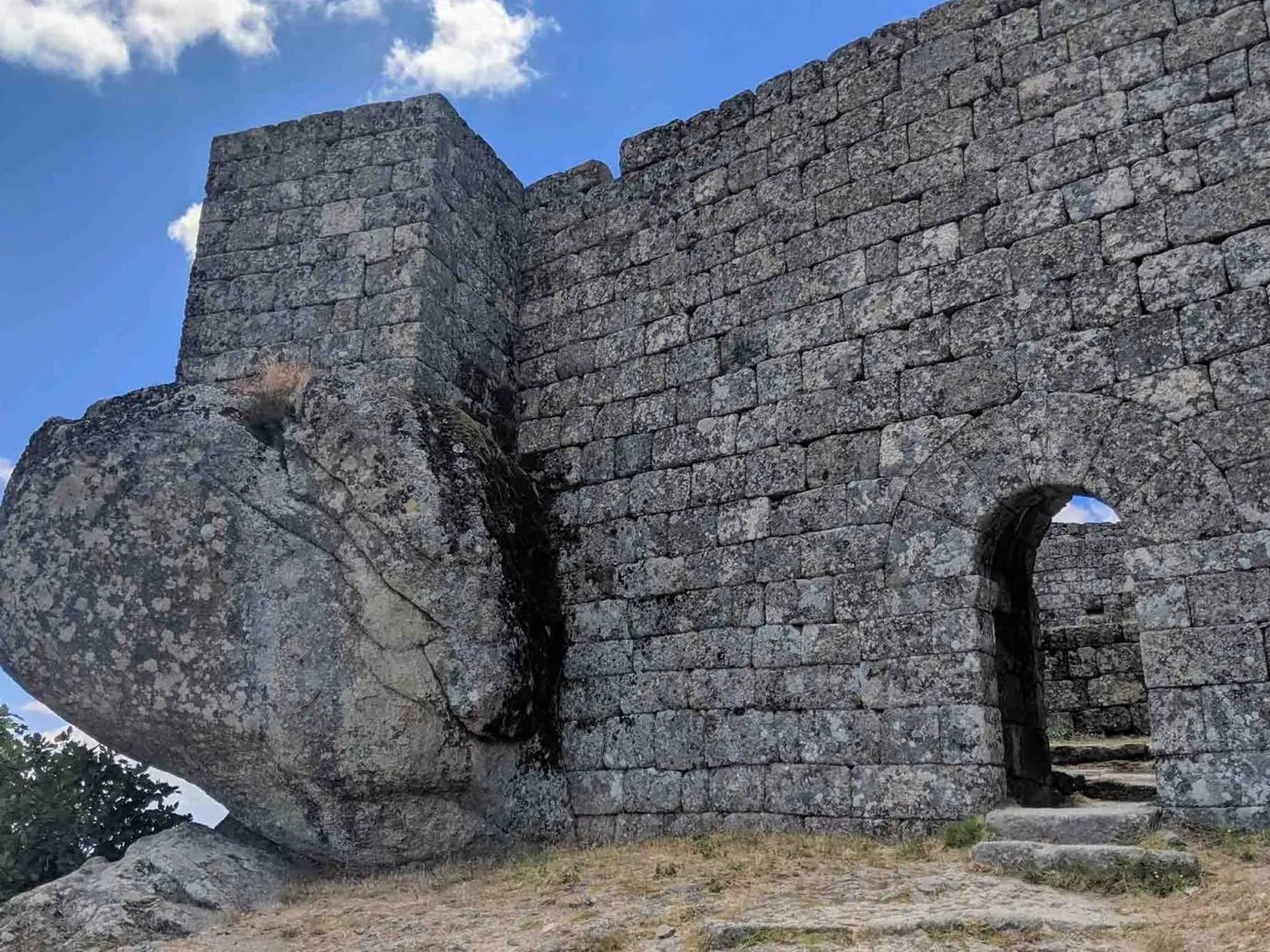
Idanha-a-Velha is a treasure! Do not miss the Cathedral (the former Roman-Visigothic cathedral), the Roman Forum, and the ruins of its old wall. In addition, the whole village is part of the Historic Villages of Portugal, so simply walking through its cobbled streets is an experience. You can also visit the nearby village of Monsanto, known as 'the most Portuguese village in Portugal.'
Of course, here are some tips: First, take your time reading the explanations of the inscriptions, since they are the heart of the museum. Second, combine the visit with a walk through the rest of Idanha-a-Velha to soak up its Roman and Visigothic history. Finally, if you want deeper context, look up information about Egitania before you go; it will help you better understand what you see.
¿Prefieres escuchar en español?
🇪🇸 Escucha la audioguía de the Monsanto Epigraphic Museum en español