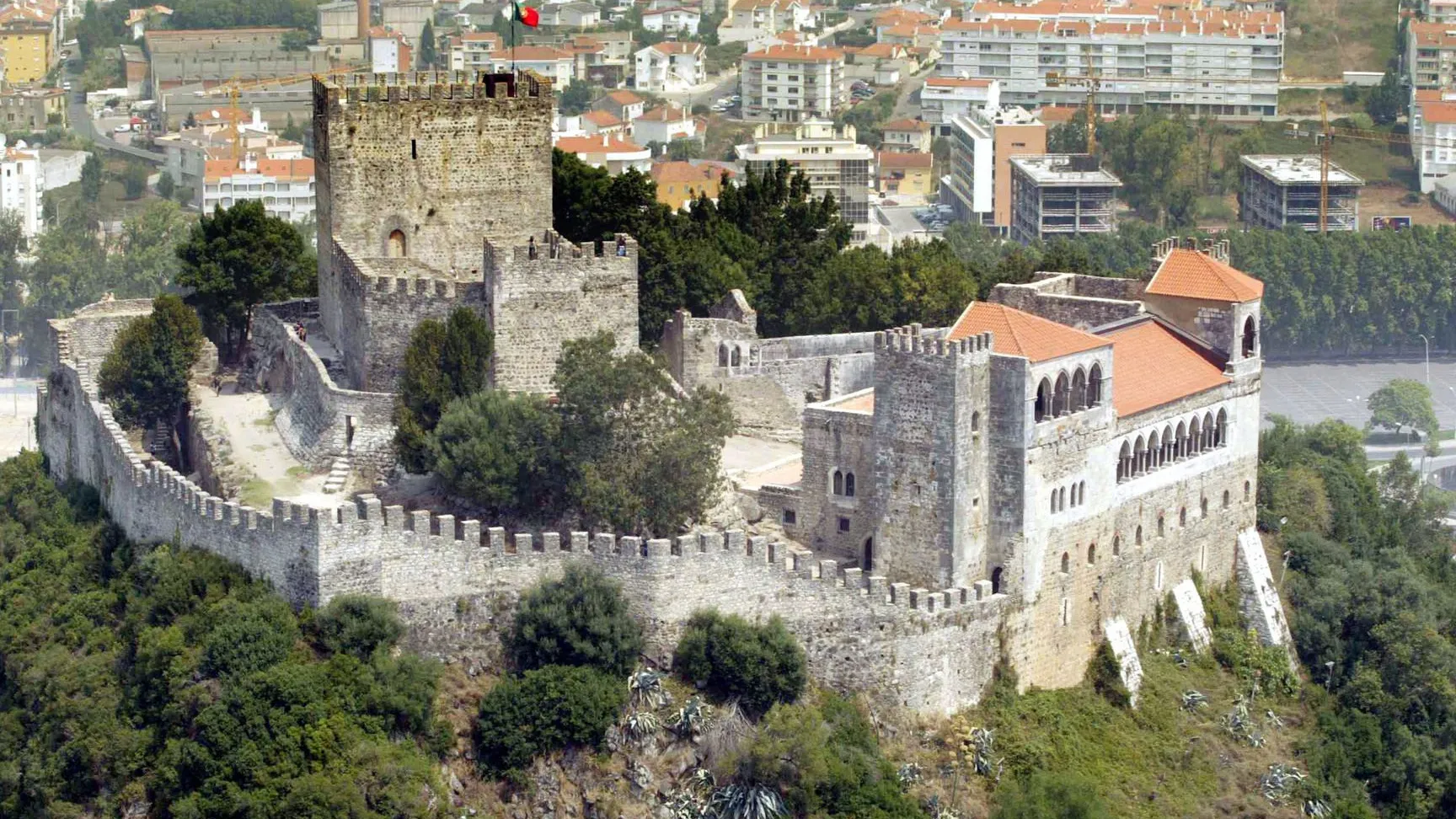
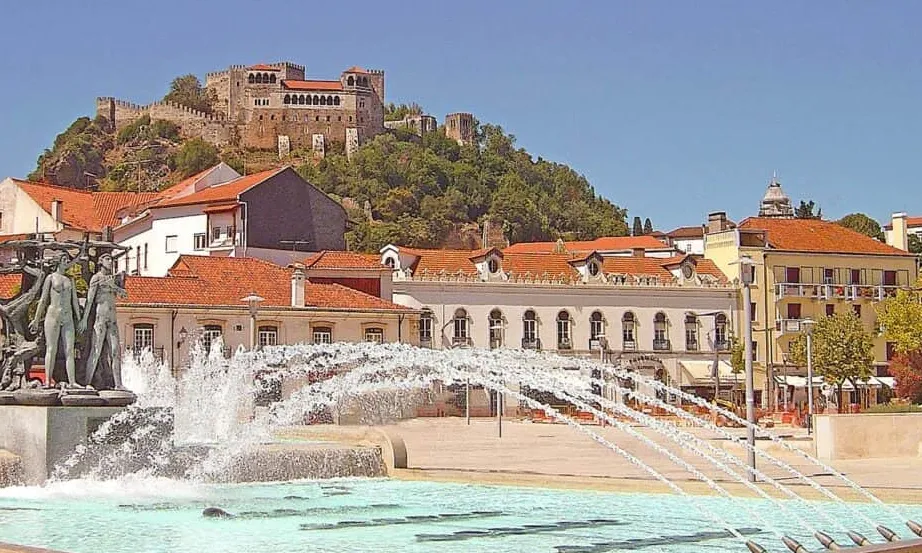
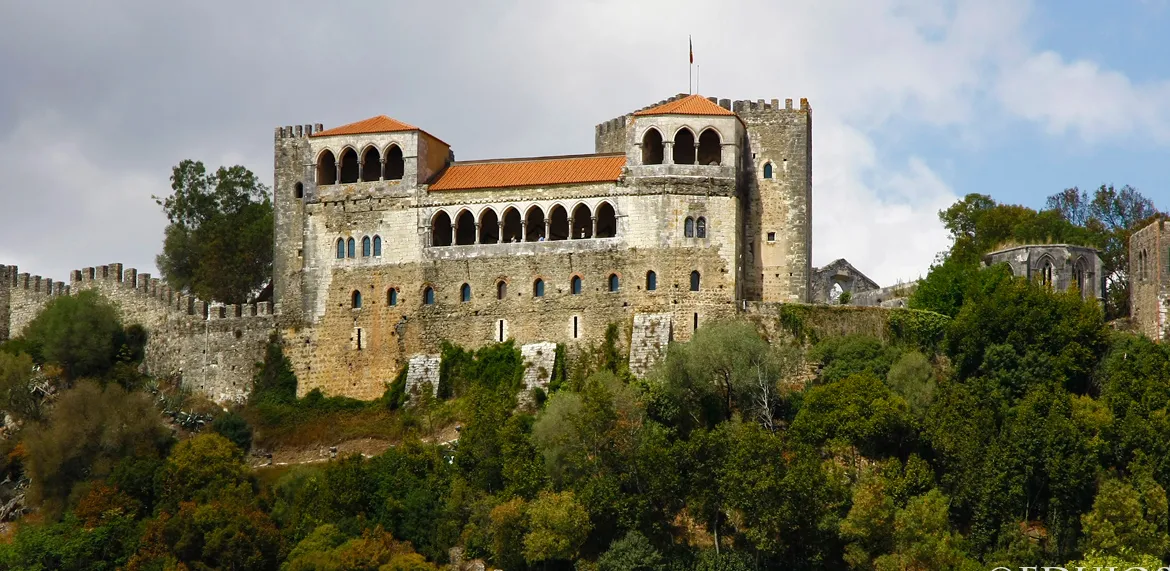
A medieval fortress that tells centuries of Portuguese history from its foundations to its towers.
Leiria Castle has opening hours that vary by season. Generally, in summer (from April to September) it is open from 10:00 to 18:00, and in winter (from October to March) from 10:00 to 17:30. It is usually closed on Mondays. To get there, you can walk up from Leiria’s city center along a cobbled path, or you can also use a free panoramic elevator. I recommend checking the latest opening hours on the official website: Leiria City Council.
Yes, admission to Leiria Castle has a fee. The price is quite reasonable, usually around 3 to 4 euros for adults, with discounts for students, seniors, and children. Leiria residents often have reduced rates or even free admission on certain occasions. However, I suggest confirming exact prices directly at the ticket office or on its official page.
To enjoy Leiria Castle without rushing, walk along its walls, visit the Fortress Museum and the Royal Palace, and admire the views, I recommend setting aside at least 1 to 1.5 hours. If you enjoy photography or stop to read all the information panels, your visit could extend to 2 hours.
Leiria Castle is a key witness to the history of Portugal, with origins dating back to the 12th century, serving as a strategic point during the Reconquista. It was founded by Portugal’s first king, Afonso Henriques, and played a crucial role in defending the territory. Over the centuries, it served as a royal residence and underwent various reconstructions, reflecting styles ranging from Romanesque to Gothic—every stone tells a story!
Spring (April to June) and autumn (September to October) are ideal times thanks to the pleasant weather. To avoid crowds and the midday heat in summer, I suggest visiting early in the morning right when it opens, or late in the afternoon before closing. The sunset views from the top of the walls are spectacular.
Part of Leiria Castle is accessible. Access to the main enclosure, including courtyards and some facilities, is possible via ramps or elevators. However, due to its medieval nature, some areas such as the upper walls or towers may have steps and uneven ground, making full wheelchair access difficult. I recommend contacting the castle administration for updated information on specific accessibility: [email protected].
Leiria has a lot to offer! Very close to the castle, you can explore the historic center with its Cathedral, the Convent of Saint Augustine, or stroll along the Lis River and its linear park. Don’t miss the Leiria Museum, or if you have time, the Monastery of Batalha and the Monastery of Alcobaça, both UNESCO World Heritage Sites, are just a short drive away. Take a look at Leiria’s tourism website: Visit CM Leiria.
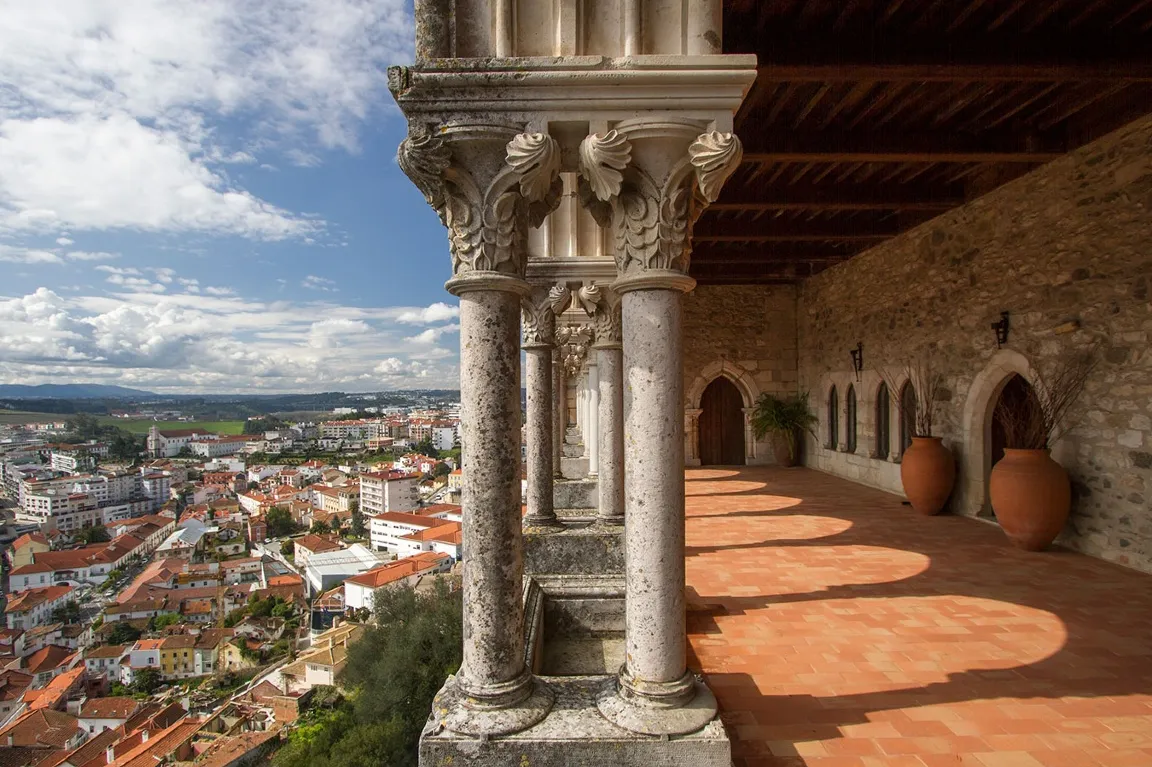
Of course—here are a few tips. First, wear comfortable shoes, as there are cobblestones and stairs to climb. Second, bring water, especially in the warmer months, along with sun protection. Third, don’t forget your camera: the panoramic views of the city and surrounding area are impressive. Finally, consider downloading an audio guide, such as those offered by IAudioguia, to enrich your experience with detailed historical narration as you explore. It will be like having a personal guide in your pocket!
¿Prefieres escuchar en español?
🇪🇸 Escucha la audioguía de Leiria Castle en español