No te vayas sin conocer la historia Suscribete
IAudioGuia iaudioguia
Audio Guides of Lagos

Audio Guide of the Lagos Slave Market

A site that marked the history of Portugal and Europe: the first documented slave market on the continent.

✓ What guidebooks don't tell you
✓ Secrets other tourists miss
✓ Listen while you explore
Discover everything
00:00
00:00
Rate this audio guide

📖 Audio Guide Chapters

6 chapters

1. Introduction and Historical Context

🔒 Premium Content

Subscribe to access all chapters of this audio guide.

2. The Architecture of Trauma and Memory

🔒 Premium Content

Subscribe to access all chapters of this audio guide.

3. Pain in the Details and the Current Exhibition

🔒 Premium Content

Subscribe to access all chapters of this audio guide.

4. Key Figures and Decisions

🔒 Premium Content

Subscribe to access all chapters of this audio guide.

5. Curiosities and the Shadow of Slavery

🔒 Premium Content

Subscribe to access all chapters of this audio guide.

6. Cultural Importance and Present-Day Legacy

🔒 Premium Content

Subscribe to access all chapters of this audio guide.

❓ Frequently Asked Questions

What are the opening hours of the Lagos Slave Market and how can I get there?

The Lagos Slave Market can be visited Tuesday to Sunday from 10:00 a.m. to 6:00 p.m. (closed on Mondays). It is located at Prince Henry the Navigator Square, right in the historic center of Lagos. For updated opening hours, it is always a good idea to check the Lagos City Council website.

Do I need to pay an entrance fee to visit the Lagos Slave Market?

Admission to the building is currently free. It is a historic monument that can be viewed freely from the outside, although a voluntary donation for its preservation is recommended.

How much time is recommended for visiting the Lagos Slave Market?

A visit usually lasts between 20 and 40 minutes. It is a small but powerful place: combine it with visits to other monuments such as the Ponta da Bandeira Fort to make the most of your day.

What is the historical importance of this place?

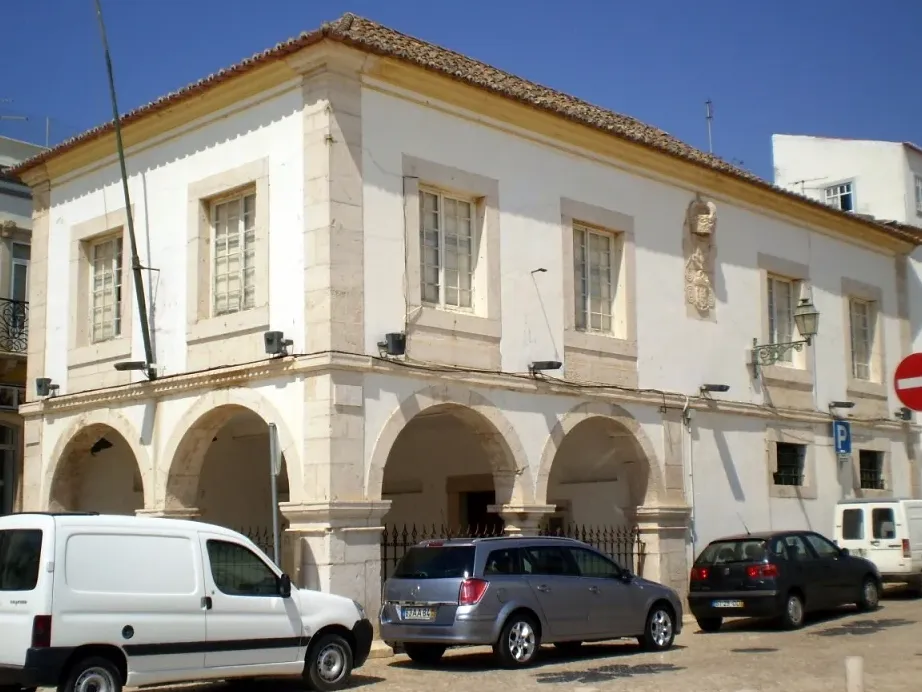
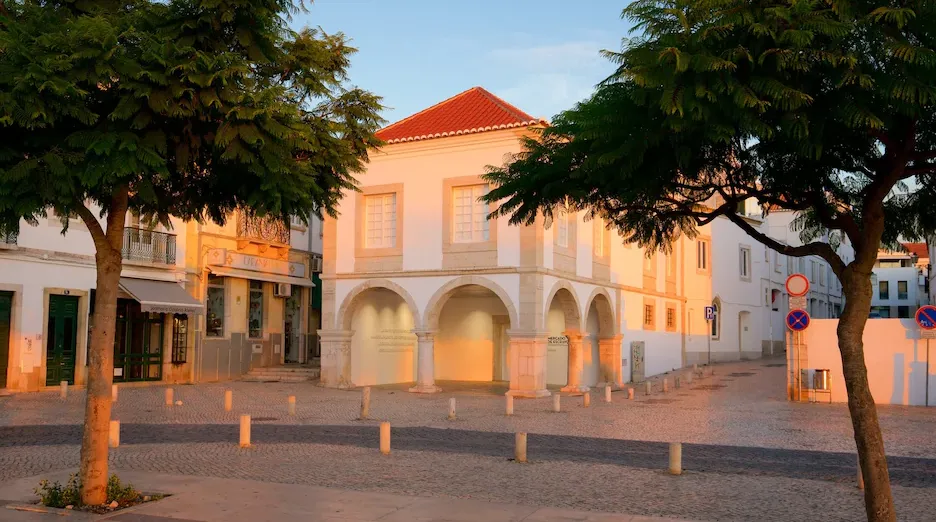
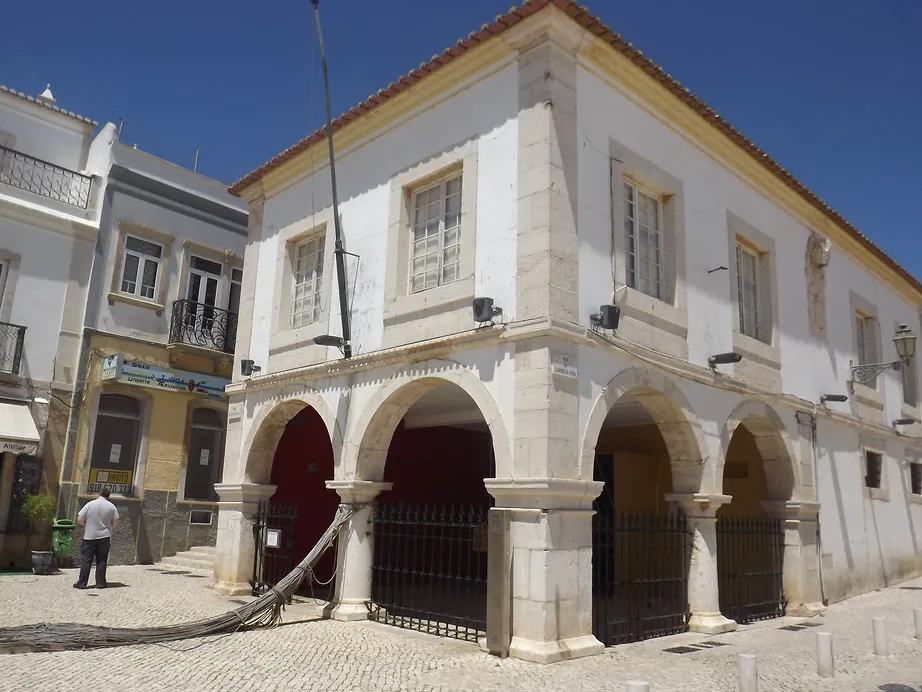
It is the first slave market in Europe (15th century), a symbol of Portugal’s colonial past where people brought from Africa were traded. The building preserves Gothic arches and interpretive panels about this painful period.

What is the best time of year or day to visit?

Avoid July and August because of heavy tourism. May to October is ideal, especially in the morning (10:00 a.m.-12:00 p.m.) to avoid the heat and organized groups. Sunsets here are especially evocative.

Is it accessible for people with reduced mobility?

The main entrance has steps and the ground is uneven (historic gravel). It is recommended to confirm by phone (+351 282 762 301) if specific adaptations are needed.

What other places of interest can I see nearby?

Less than 5 minutes away you will find: Ponta da Bandeira Fort, the Municipal Museum, Saint Anthony Church (gilded Baroque), and Dona Ana and Camilo beaches. More information at Algarve Tourism.

Any tips to make the most of the visit?

1) Bring water and comfortable shoes (cobbled streets) 2) Don’t miss the interpretive panels in Portuguese and English 3) Respect the space: it is a memorial to human suffering. 4) Complete your visit with the historic slavery route in Lagos.

¿Prefieres escuchar en español?

🇪🇸 Escucha la audioguía de the Lagos Slave Market en español