No te vayas sin conocer la historia Suscribete
IAudioGuia iaudioguia
Audio Guides of Evora

Audio Guide of the Aqueduct of Silver Water

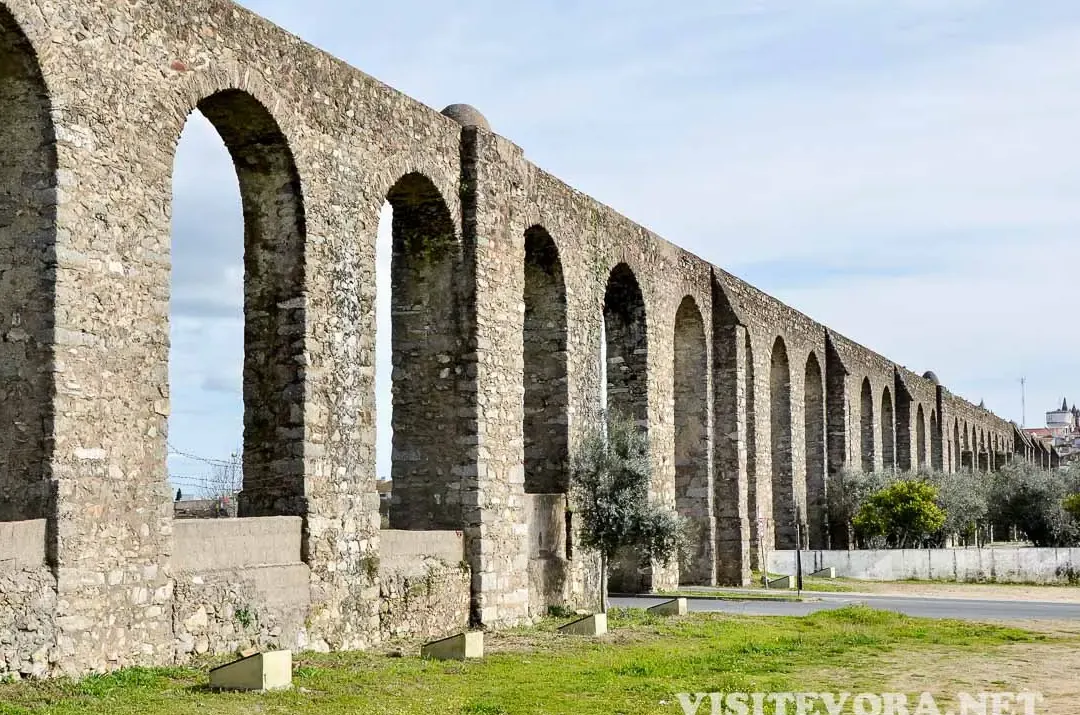
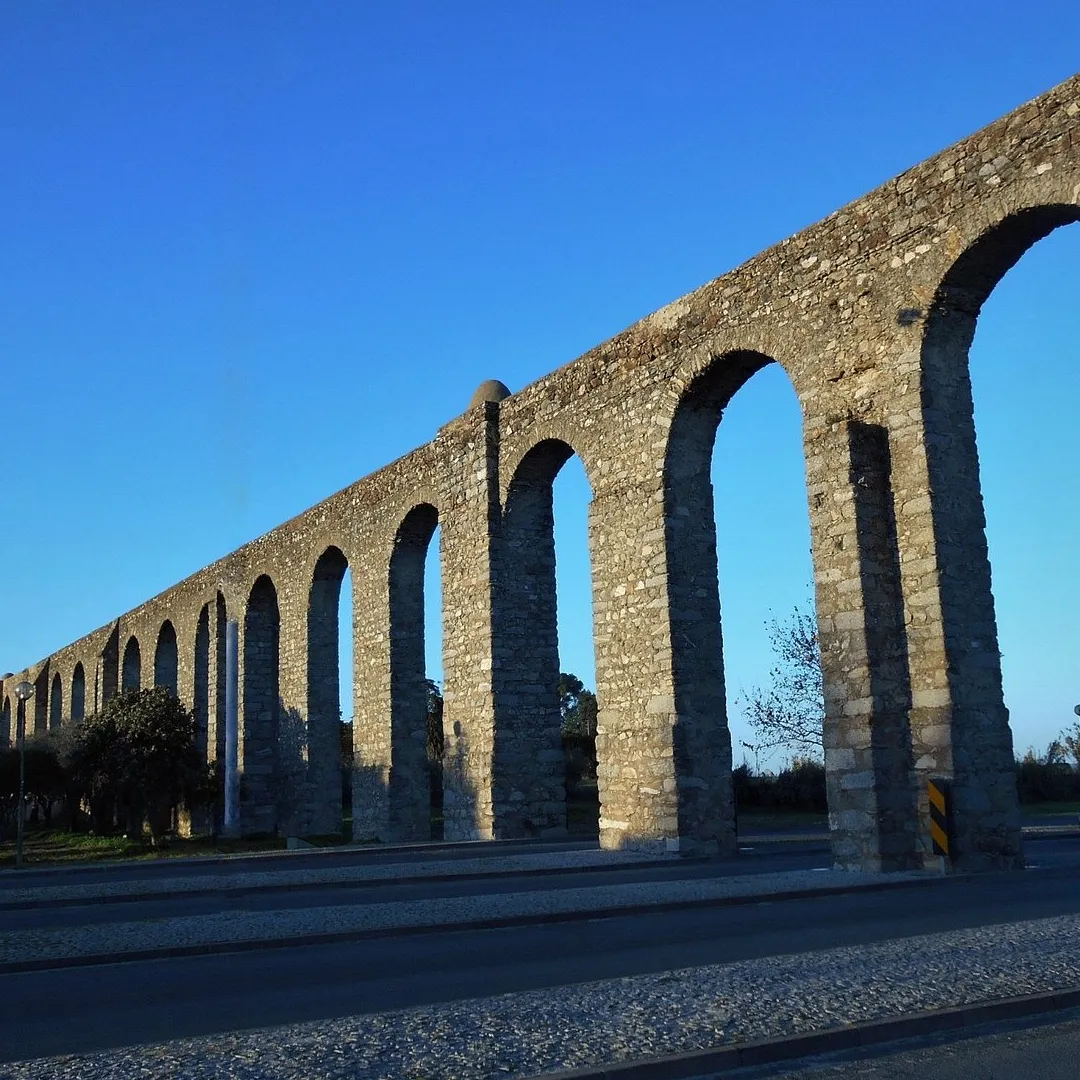
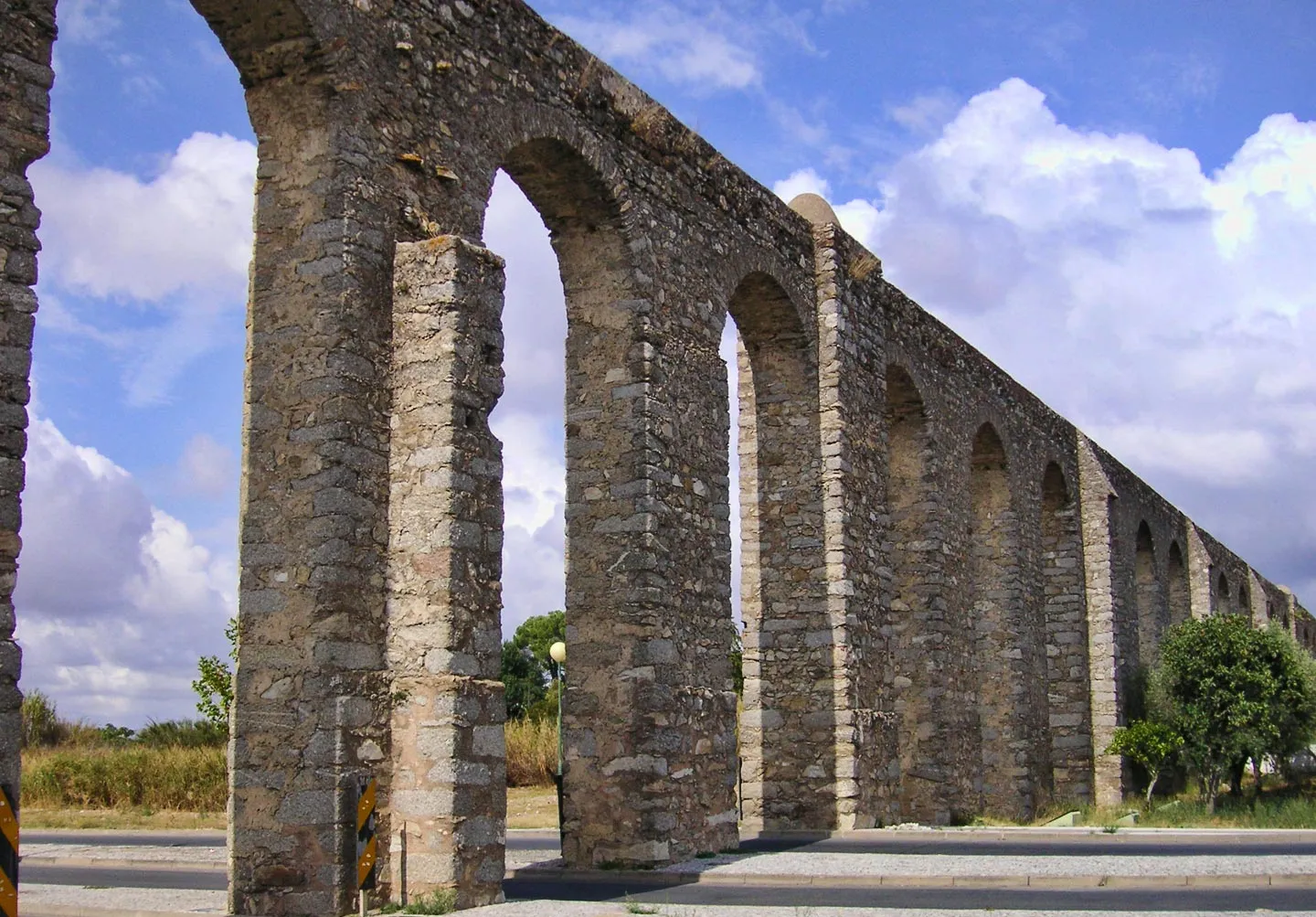
Imponente acueducto renacentista del siglo XVI en Évora, Portugal, que abastecía de agua potable a la ciudad durante más de tres siglos. Su estructura de arcos elevados destaca por su ingeniería y belleza arquitectónica.

✓ What guidebooks don't tell you
✓ Secrets other tourists miss
✓ Listen while you explore
Discover everything
00:00
00:00

📖 Audio Guide Chapters

6 chapters

1. Welcome to the Aqueduct of Silver Water

🔒 Premium Content

Subscribe to access all chapters of this audio guide.

2. The Architecture of the Aqueduct of Silver Water

🔒 Premium Content

Subscribe to access all chapters of this audio guide.

3. History and Figures of the Aqueduct of Silver Water

🔒 Premium Content

Subscribe to access all chapters of this audio guide.

4. Art and Details of the Aqueduct of Silver Water

🔒 Premium Content

Subscribe to access all chapters of this audio guide.

5. Secrets and Curiosities

🔒 Premium Content

Subscribe to access all chapters of this audio guide.

6. Farewell and Recommendations

🔒 Premium Content

Subscribe to access all chapters of this audio guide.

❓ Frequently Asked Questions

What are the visiting hours for the Aqueduct of Silver Water?

The aqueduct is an open-air monument that you can visit freely 24 hours a day, every day of the year. The visible sections are integrated into the urban fabric of Évora, although some interior sections (such as the Water Gallery) are only accessible through a guided tour. More info: VisitPortugal.

Is access to the aqueduct free?

Yes, access to the aqueduct is completely free, as it is located in public spaces. You would only need to pay if you book a specific guided tour to access restricted areas. Many tours include the aqueduct as part of broader visits around the historic center of Évora.

How much time is needed to see it properly?

To see the main exterior sections (such as the entrance arch at Portas da Lagoa or the area of Rua do Cano), 30 minutes is enough. If you want to walk alongside the structure and explore other points, allow 1 hour. Wear comfortable shoes, as some sections have uneven ground.

What is the historical importance of this aqueduct?

Built between 1531 and 1537 by Francisco de Arruda (the same architect as Belém Tower in Lisbon), it brought drinking water to Évora for nearly 5 centuries. With its 18 km length and arches reaching 26 meters in height, it is one of the symbols of the Portuguese Renaissance and part of the World Heritage-listed historic center of Évora.

What is the best time of day and year to visit?

Spring and autumn are the best seasons thanks to the mild weather. Early morning or sunset offers the best light for photos. In summer, avoid the middle of the day (12:00-16:00) because of the extreme heat.

Is it accessible for people with reduced mobility?

In its urban sections there are sidewalks with standard accessibility, but you should know that there are changes in level in several areas and the old stones create uneven surfaces. There are no specific ramps next to the most photographed arcades. The best option is to view it from a vehicle or walk beside the arch at Portas da Lagoa.

What other places of interest can I see nearby?

Less than 10 minutes away on foot you have: the Roman Temple (an icon of Évora), Évora Cathedral (a panoramic viewpoint), and the eerie Chapel of Bones. The entire Historic Center is a World Heritage Site. Combine everything in one day, including the Manueline walls of the Public Garden that use the aqueduct as a structure.

What practical tips do you recommend for the visit?

Bring water (there are no nearby fountains), sports shoes, and a raincoat in winter. Take the opportunity to capture original photos at the arch of Portas da Lagoa or from Rua do Cano, where the houses are attached to the aqueduct. Don’t miss the sunset from the rise near Largo da Porta da Lagoa!

¿Prefieres escuchar en español?

🇪🇸 Escucha la audioguía de the Aqueduct of Silver Water en español