
No te vayas sin conocer la historia Suscribete
IAudioGuia iaudioguia
Audio Guides of Poznan

Audio Guide of Poznań Citadel

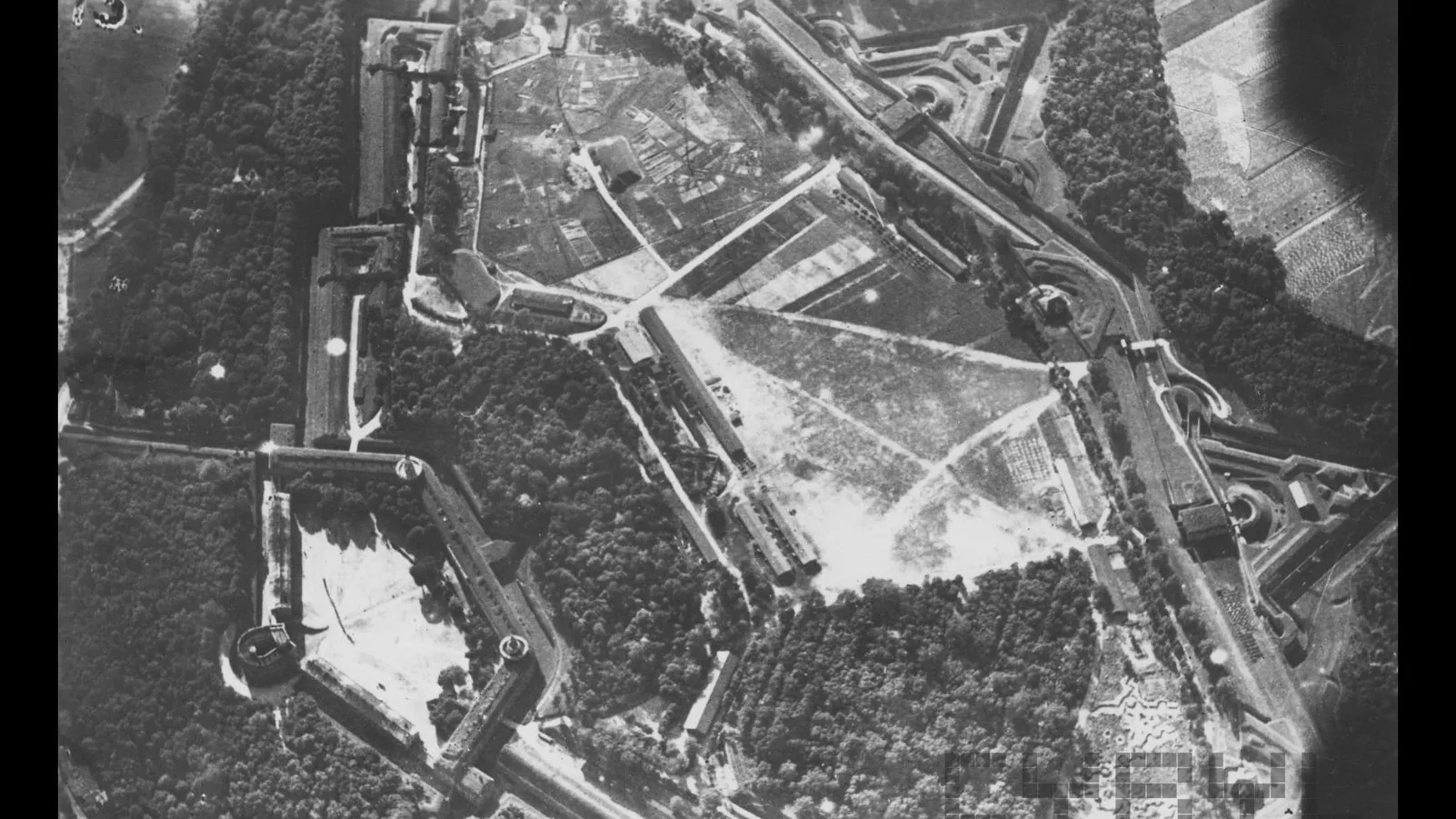
La Citadela de Poznań es un vasto complejo fortificado del siglo XIX, transformado en un extenso parque memorial que alberga museos, monumentos y cementerios, evocando la historia militar de Polonia.

✓ What guidebooks don't tell you
✓ Secrets other tourists miss
✓ Listen while you explore
Discover everything
00:00
00:00
Rate this audio guide

📖 Audio Guide Chapters

6 chapters

1. Welcome to Poznań Citadel

🔒 Premium Content

Subscribe to access all chapters of this audio guide.

2. The Architecture of Poznań Citadel

🔒 Premium Content

Subscribe to access all chapters of this audio guide.

3. History and Figures of Poznań Citadel

🔒 Premium Content

Subscribe to access all chapters of this audio guide.

4. Art and Details of Poznań Citadel

🔒 Premium Content

Subscribe to access all chapters of this audio guide.

5. Secrets and Curiosities

🔒 Premium Content

Subscribe to access all chapters of this audio guide.

6. Farewell and Recommendations

🔒 Premium Content

Subscribe to access all chapters of this audio guide.

❓ Frequently Asked Questions

What are the Citadel's opening hours and how can I get there?

Citadel Park is open 24 hours a day, 7 days a week, since it is a public space. However, the museums inside it (the Armaments Museum and the Army Museum) are usually open from 10:00 a.m. to 5:00 p.m. (closed on Mondays). You can get there easily by taking tram lines 3, 4, 10, or 17 to the 'Cytadela' stop.

Is there an admission fee or is it free?

Entry to the park and gardens is completely free and open to everyone. You only need to pay if you decide to visit the indoor exhibitions of the Greater Poland Museum of Independence located within the grounds, where prices are around 15-20 PLN.

How much time is recommended to explore the park?

As the largest park in Poznań, covering about 100 hectares, I recommend setting aside at least 2 to 3 hours. This will allow you to walk at a relaxed pace, see the 'Unrecognized' sculptures, and visit the military cemeteries without rushing.

What historical importance does this place have?

It is fundamental in Polish history: it was the last bastion of Nazi resistance in 1945 and earlier the largest artillery fort in Europe, Fort Winiary. Today it combines that wartime memory with modern art, making it a symbol of peace and transformation.

What is the best time of year or day to go?

Spring and summer are ideal for enjoying the greenery and the Rose Garden at their best. Try to go in the morning or early afternoon to make sure the war museums are open and to take advantage of the light for photos.

Is the park accessible for people with reduced mobility?

Yes, most of the main paths are paved and wide enough for wheelchairs or strollers. However, keep in mind that distances are long and access to some specific ruins or bunkers may be limited.

What other attractions are nearby to combine with the visit?

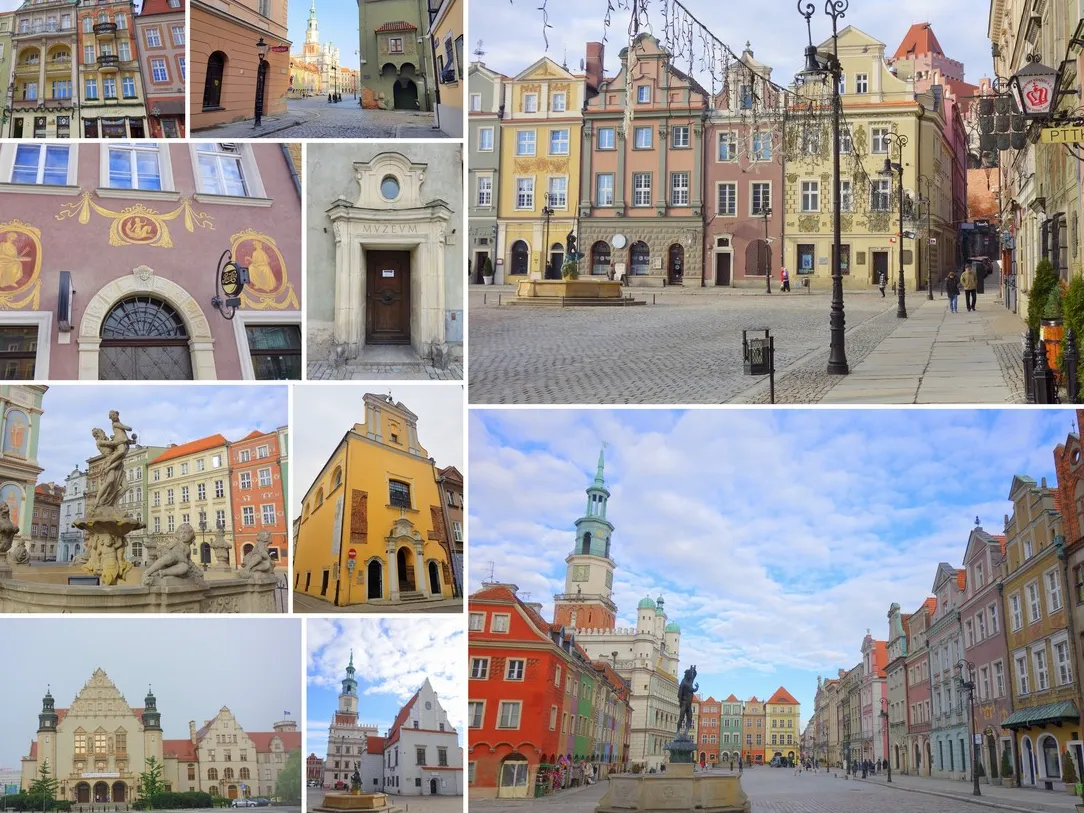
The Citadel is north of the historic center. After your walk, you can head down toward the Old Market Square or visit nearby Sołacki Park, in one of the city's most elegant and peaceful districts.

Any practical tips to make the most of the visit?

Wear very comfortable shoes because you will do a lot of walking, and bring water, as kiosks are scarce inside the park. To really understand what you are seeing, from the tanks to the sculptures by Abakanowicz, I suggest downloading a good audio guide and experiencing the history at your own pace.

¿Prefieres escuchar en español?

🇪🇸 Escucha la audioguía de Poznań Citadel en español