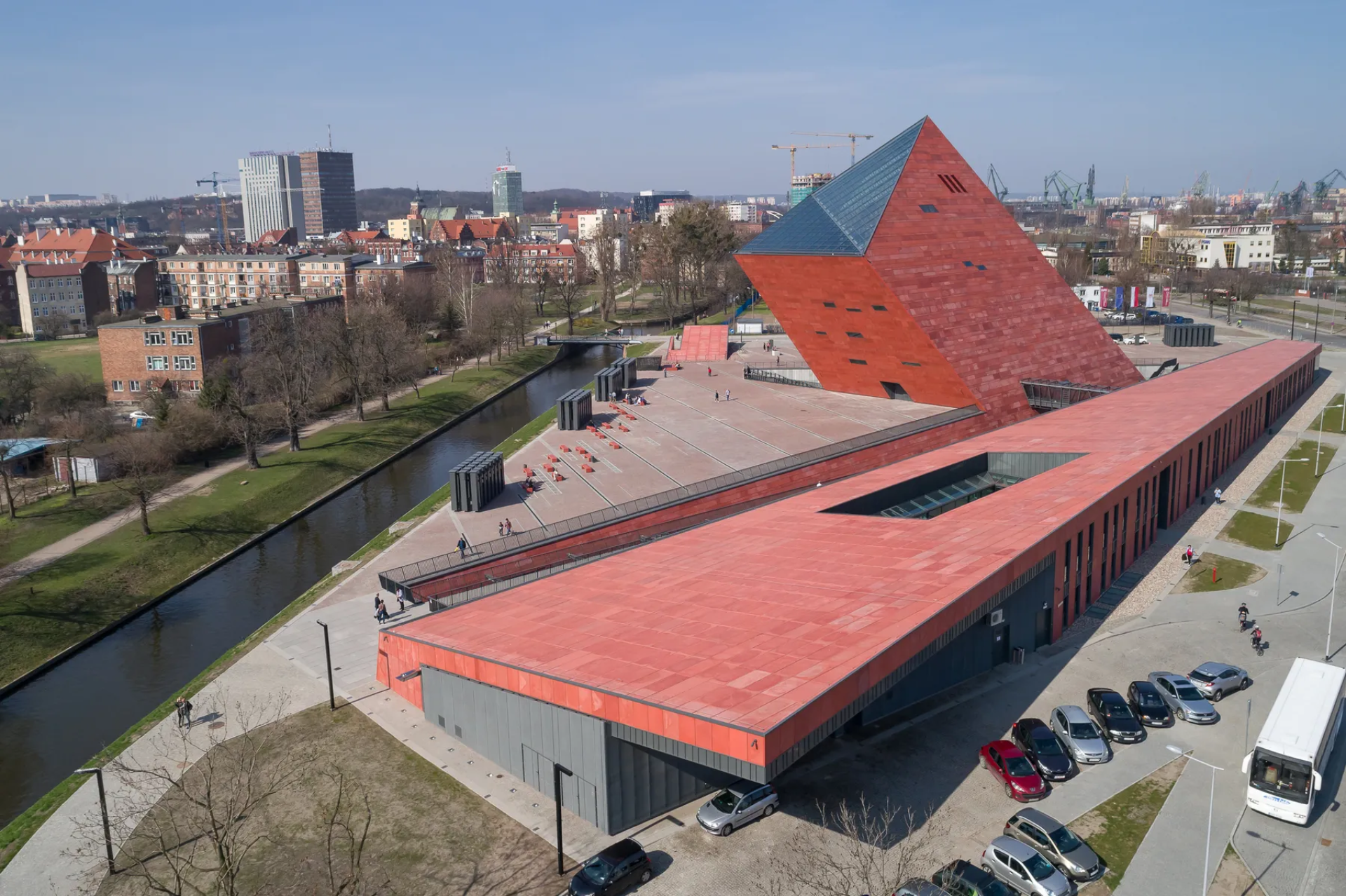
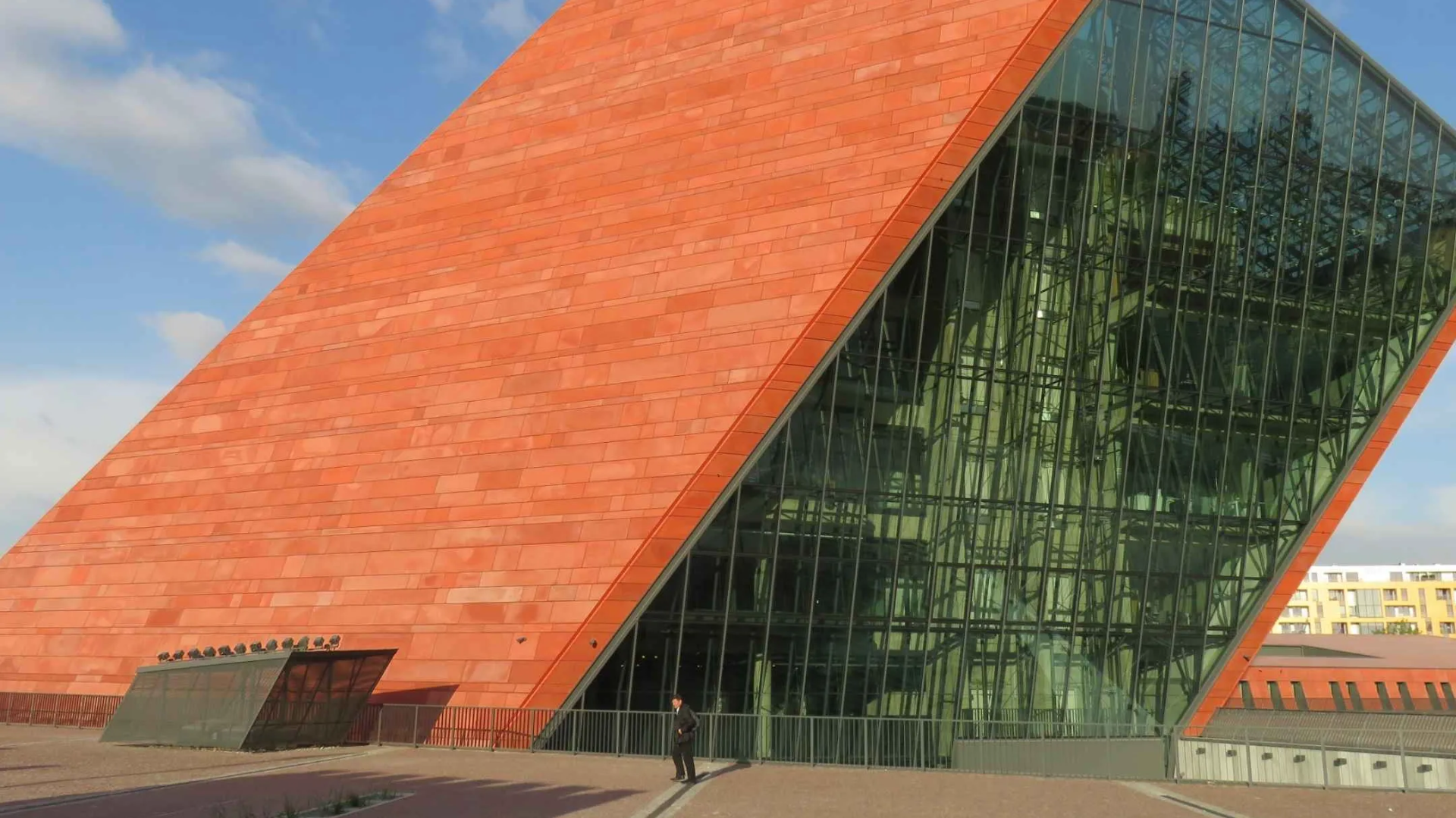
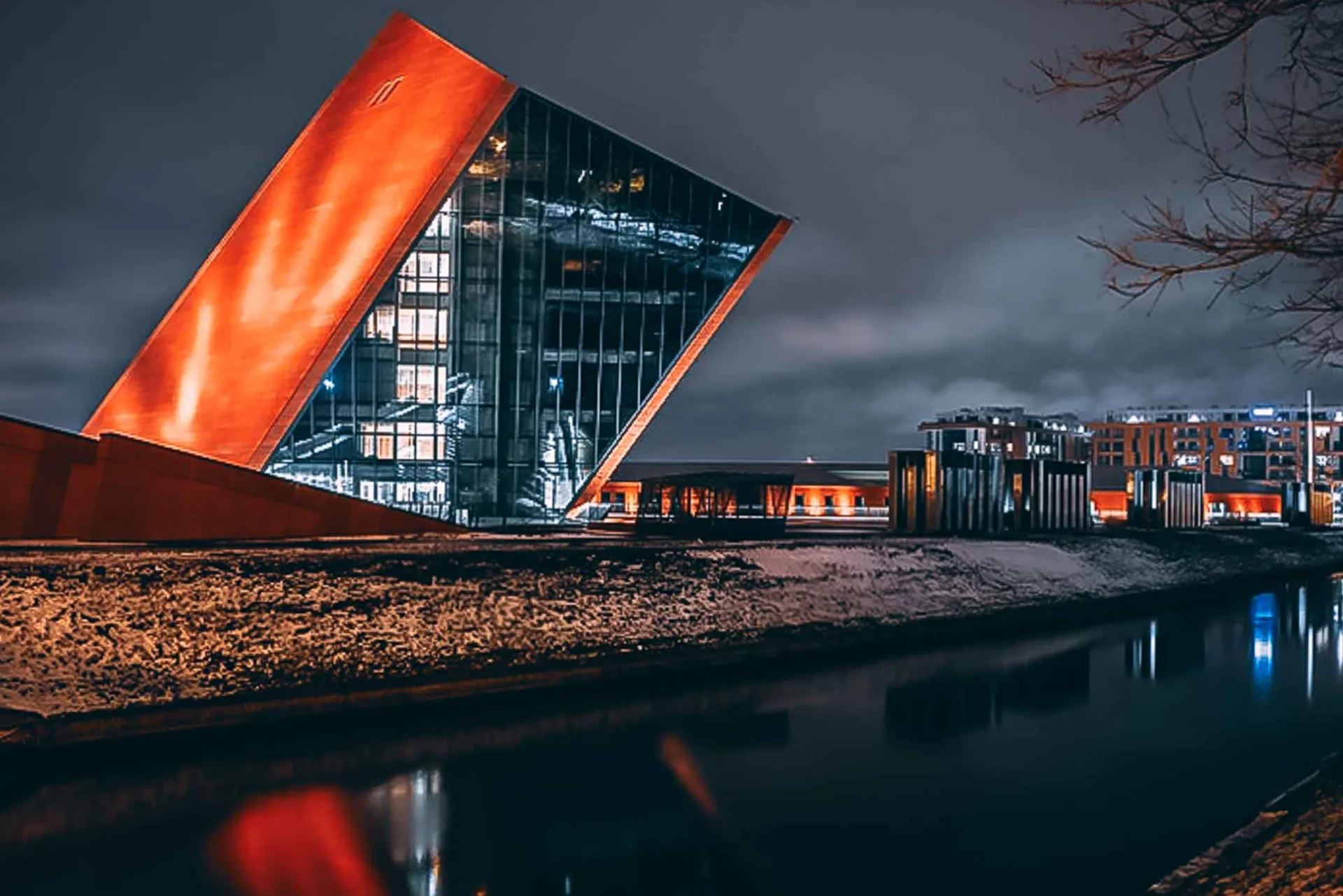
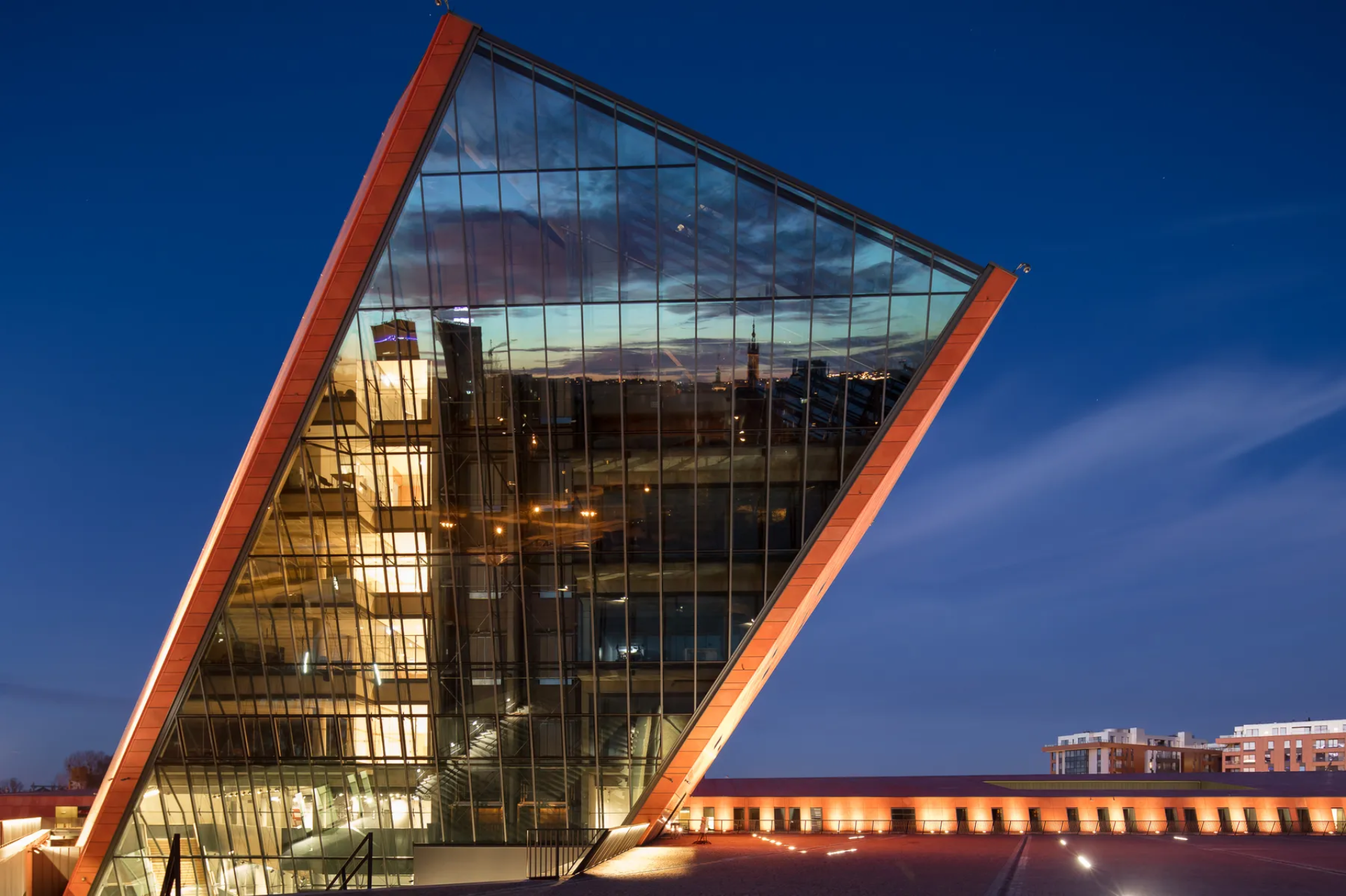
A moving space dedicated to the history of World War II and its profound impacts.
The museum is usually open from Tuesday to Sunday, with hours that vary slightly depending on the season (generally from 10:00 a.m. to 7:00 p.m.). It is usually closed on Mondays. It is very centrally located in Gdańsk, so you can easily reach it on foot from the main station or the Old Town. To confirm the exact opening hours, which may vary, I recommend visiting the museum’s official website: World War II Museum.
General admission to the World War II Museum costs approximately 25–30 PLN (about 5–7 euros). Discounts are usually available for students, seniors, and groups. On Tuesdays, admission to the main exhibition is free, which is an excellent opportunity. For the most up-to-date information on prices and possible discounts, I suggest checking the museum’s website directly: Ticket prices.
For a complete and detailed visit to the main exhibition at the World War II Museum, I recommend setting aside at least 3 to 4 hours. It is a very extensive museum with a large amount of information, artifacts, and multimedia displays. If you enjoy reading in depth or watching all the documentaries, you may even want to allow a bit more time.
The World War II Museum in Gdańsk is of great historical and cultural importance because it focuses on the Polish context of the war, which began with the invasion of Poland at Westerplatte, near Gdańsk. It offers a comprehensive perspective on the causes, development, and consequences of the conflict, from the viewpoint of victims and ordinary people, not only the military. It is a fundamental testimony for understanding the scale of suffering and resistance, as well as the global impact the war had.
To avoid the biggest crowds, I suggest visiting the museum early in the morning, just after opening, or late in the afternoon, a couple of hours before closing. Weekdays, especially Tuesday through Thursday, are usually less crowded than weekends. If your visit falls during the high summer season in July and August, expect more people, though there are always quieter moments.
Yes, the World War II Museum is designed to be fully accessible. It has elevators and ramps that provide access to all floors and exhibitions, making the visit easier for wheelchair users and people with reduced mobility. Adapted restrooms are also available on site for the comfort of all visitors. You can find more details about accessibility in the 'Visitor Information' section of the museum’s website.
The World War II Museum is very well located, close to several key attractions in Gdańsk. You can walk to the Old Town to admire the Golden Gate, Neptune's Fountain, and St. Mary's Basilica. It is also relatively close to the Polish Post Office building, where a heroic defense took place at the start of the war, and to the historic shipyard, the birthplace of the Solidarity movement. The Motława River also offers pleasant boat trips. For more nearby attractions, you can check sites such as Official Visit Gdańsk.
To make the most of your visit, I recommend downloading the museum’s mobile app or renting an audio guide, available in several languages, when you arrive; it is very helpful for understanding the depth of the exhibition. Wear comfortable shoes, as you will do quite a bit of walking. Consider visiting on the last Tuesday of the month for free admission, if your itinerary allows. Also, take your time with each display, as the information is dense and deeply moving. There is a café and a gift shop on site for your convenience.
¿Prefieres escuchar en español?
🇪🇸 Escucha la audioguía de World War II Museum en español