Discover the history and secrets of this place with our audio guide.
Kazimierz Jewish Quarter is a historic district and, as such, it does not have fixed 'opening' or 'closing' hours. Its streets and synagogues are generally open to the public at specific times. For example, the Old Synagogue, museums, and galleries usually open from 9:00 AM to 5:00 PM or 6:00 PM, but I recommend checking the specific hours of each place. You can get around on foot, as it is the best way to absorb its atmosphere. To get there, it is within walking distance of central Kraków, and trams and buses are also available. For more information, you can visit the official Kraków tourism website.
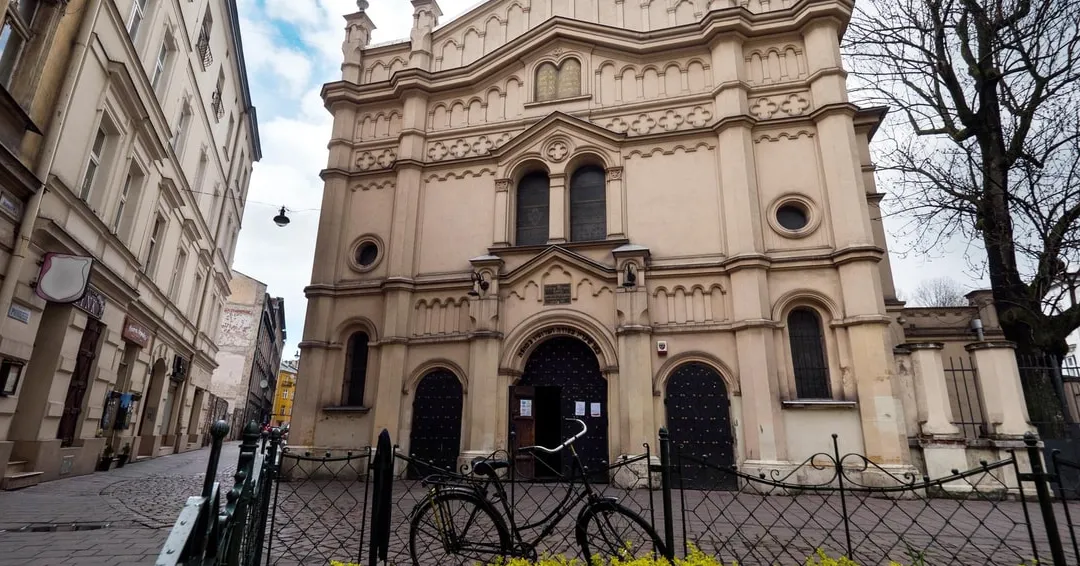
Access to the Kazimierz Jewish Quarter itself is completely free, since it is a city district. However, to enter the synagogues (such as the Old Synagogue and the Remuh Synagogue with its cemetery) and museums (such as the Galicia Jewish Museum or the Ethnographic Museum), you do need to pay an admission fee. Prices vary, generally ranging between 10 and 20 PLN (approximately 2–5 EUR) per synagogue or museum. You can find more details on each synagogue's or museum's website.
To get a good first impression and visit some of the main synagogues and museums, I would recommend setting aside at least half a day, around 3 to 4 hours. If you want to explore in depth, sit down at a café or restaurant, and visit more places, it is easy to spend a full day here. It all depends on your interest in Jewish history and culture.
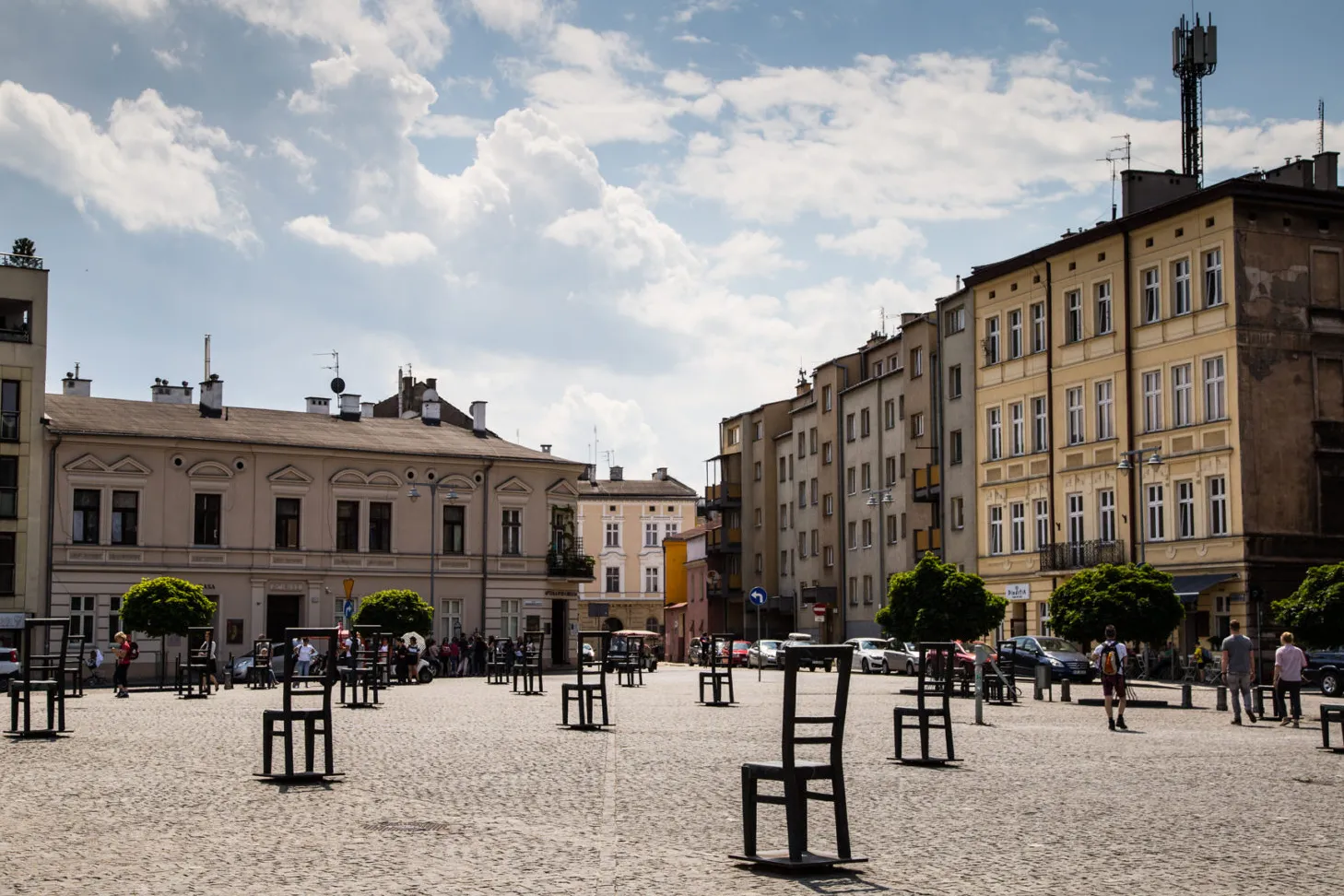
Since the 14th century, Kazimierz Jewish Quarter has been a vibrant center of Jewish life in Kraków, serving as a melting pot of culture, trade, and religion. It is a living testimony to Jewish history in Poland, from its flourishing past to the tragedy of the Holocaust portrayed in 'Schindler's List.' Today, it is a place of deep reflection and cultural revival, and one of the best-preserved Jewish quarters in Europe, which makes it part of a UNESCO World Heritage Site.
The best time to visit Kazimierz is during spring (April–May) and early autumn (September–October), when the weather is pleasant and there are fewer crowds than in summer. To avoid the busiest times, I suggest going early in the morning (9:00–10:00 AM) or later in the afternoon, especially if you want to explore the streets at a relaxed pace. At night, the district comes alive with its restaurants and bars, offering a different atmosphere.
In general, Kazimierz Jewish Quarter is fairly accessible. The main streets are paved and relatively flat, which makes getting around by wheelchair easier. However, some historic buildings, such as certain synagogues or older museums, may have steps at the entrance or no elevators. It is advisable to contact the specific sites in advance to confirm accessibility, or reach out directly to the Kraków Tourist Office for more detailed information.
Very close to Kazimierz, you can cross the Vistula River to visit Schindler's Factory Museum, an essential place for understanding the history of the Holocaust in Kraków. There is also the Eagle Pharmacy Museum (Apteka Pod Orłem), connected to the Kraków Ghetto. And if you are looking for an excellent viewpoint, Krakus Mound is relatively nearby and offers panoramic views of the city.
Yes, I recommend wearing comfortable shoes, as you will be walking a lot. Consider joining a local walking tour to gain deeper historical and cultural insight. Do not limit yourself to the synagogues; explore the side streets, art galleries, bookshops, and antique stores as well. Finally, try the local food in the district's many restaurants and cafés, especially the zapiekanka at Nowy Square. And do not forget to try flavored vodka!
¿Prefieres escuchar en español?
🇪🇸 Escucha la audioguía de Kraków's Kazimierz Jewish Quarter en español