

Donde mil años de historia judía tejen un tapiz de resistencia, humor y secretos entre grietas deliberadas
The POLIN Museum is usually open on Monday, Wednesday, Thursday, and Friday from 10:00 AM to 6:00 PM, and on Saturdays and Sundays from 10:00 AM to 7:00 PM. It is closed on Tuesdays. It is recommended to check the official website for possible schedule changes before your visit: POLIN Museum opening hours.
The ticket price for the main exhibition is 45 PLN for the regular rate and 30 PLN for the reduced rate. Keep in mind that admission to the main exhibition is free on Thursdays, which is an excellent opportunity. You can find more details about prices and ticket types on the official website: POLIN Museum ticket prices.
To explore the POLIN Museum’s permanent exhibition thoroughly and at a relaxed pace, it is recommended to allow between 3 and 4 hours. If you are a history enthusiast, you may want to spend even more time taking in all the information and multimedia on offer.
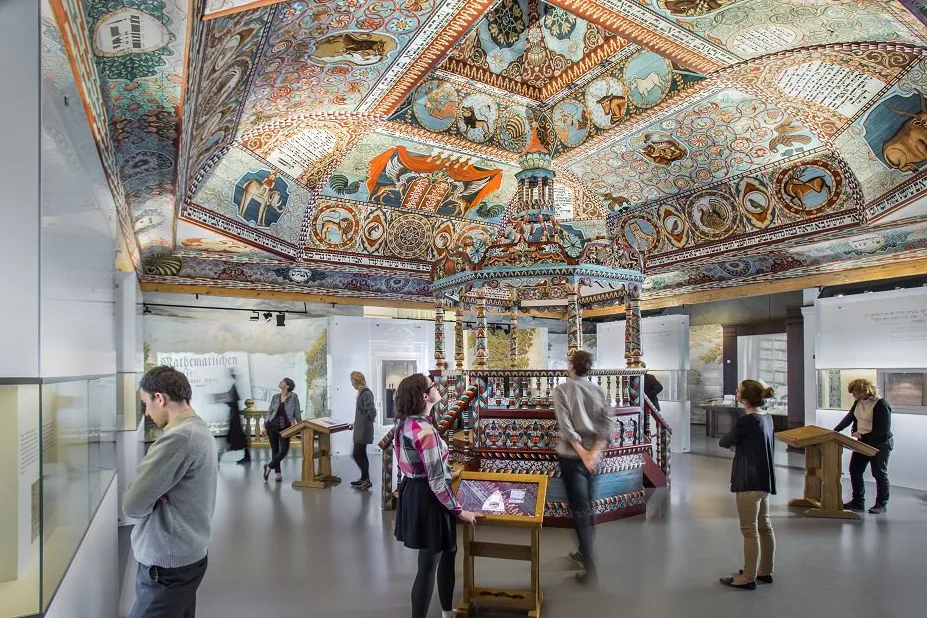
The POLIN Museum is essential because it tells the thousand-year history of the Jewish people in Polish lands, showing not only the tragedy of the Holocaust but also a rich culture, major contributions, and coexistence. Its permanent exhibition is an emotional and educational journey that highlights mutual influence and resilience, both vital for understanding the present.
To avoid crowds, I suggest visiting the museum first thing in the morning just after opening or later in the afternoon. As for the time of year, autumn and spring are usually less busy than summer and offer pleasant weather for exploring Warsaw.
Yes, the POLIN Museum is designed to be fully accessible. It has ramps, elevators, adapted restrooms, and wheelchairs available to borrow, ensuring that all visitors can enjoy the exhibition comfortably. You can contact the museum for more information if you have specific needs: +48 22 47 10 301.
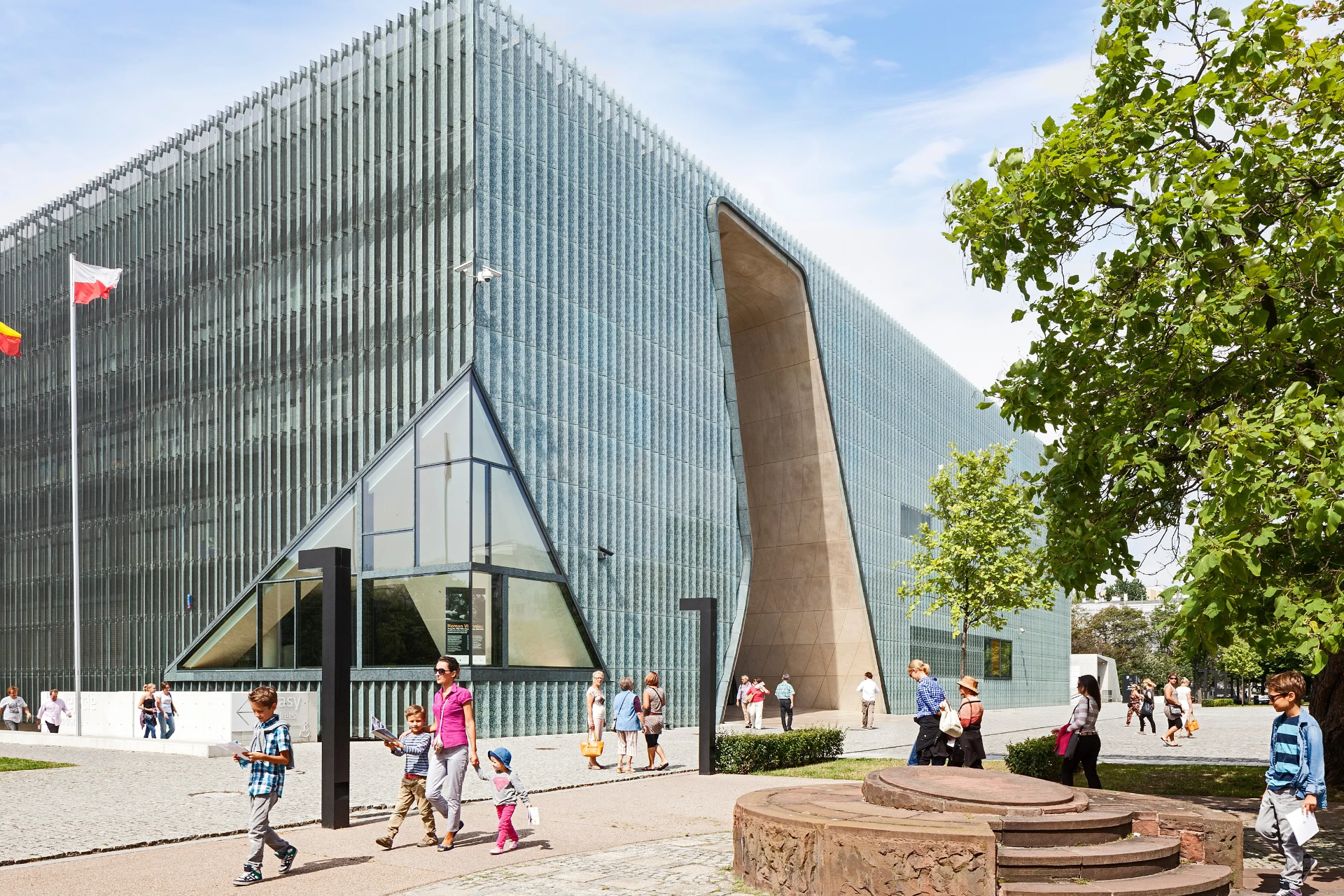
Absolutely. The POLIN Museum is located in the former Warsaw Ghetto, an area steeped in history. You can visit the Monument to the Ghetto Heroes, walk along the paths of remembrance, or explore nearby Próżna Street, a street with pre-war buildings still standing that helps you understand the historical context of the area.
I recommend downloading the museum’s official audio guide or considering renting one. Also, wear comfortable shoes, as you will do quite a bit of walking. If time allows, take a moment to reflect in the outdoor gardens or at the café, and do not hesitate to speak with the guides if you have questions for a richer experience.
¿Prefieres escuchar en español?
🇪🇸 Escucha la audioguía de the POLIN Museum of the History of Polish Jews en español