No te vayas sin conocer la historia Suscribete
IAudioGuia iaudioguia
Audio Guides of Lodz

Audio Guide of the Central Museum of Textiles

Donde los hilos tejen historias de amor, guerra y ¡mucho humor polaco!

✓ What guidebooks don't tell you
✓ Secrets other tourists miss
✓ Listen while you explore
Discover everything
00:00
00:00
Rate this audio guide

📖 Audio Guide Chapters

6 chapters

1. The Spool Rebellion

🔒 Premium Content

Subscribe to access all chapters of this audio guide.

2. Messages in Stitches

🔒 Premium Content

Subscribe to access all chapters of this audio guide.

3. The Bloodiest Fabric

🔒 Premium Content

Subscribe to access all chapters of this audio guide.

4. The Donkey That Hated Wool

🔒 Premium Content

Subscribe to access all chapters of this audio guide.

5. Graffiti of the 19th Century

🔒 Premium Content

Subscribe to access all chapters of this audio guide.

6. Your Sweatshirt Is History

🔒 Premium Content

Subscribe to access all chapters of this audio guide.

❓ Frequently Asked Questions

What are the opening hours and exact location of the Central Museum of Textiles?

The museum generally opens from Wednesday to Sunday, with extended hours on Thursdays and Fridays, and remains closed on Mondays and Tuesdays. It is located in the historic White Factory at 282 Piotrkowska Street; to check updated opening hours, I recommend visiting its official website.

How much do tickets cost, and are there any free admission days?

Prices vary depending on whether you visit the temporary or permanent exhibitions, usually around 20–30 PLN, with discounts available for students and groups. Admission to the permanent exhibitions is often free on Wednesdays, but it is best to confirm current prices in the ticket sales section.

How much time is recommended for a full visit?

To enjoy both the vast machinery halls in the White Factory and the open-air Wooden Architecture Museum that is part of the complex, I recommend allowing between 2 and 3 hours. It is a large space with a great deal of industrial history that deserves to be explored at a relaxed pace.

What is the historical importance of this building for the region?

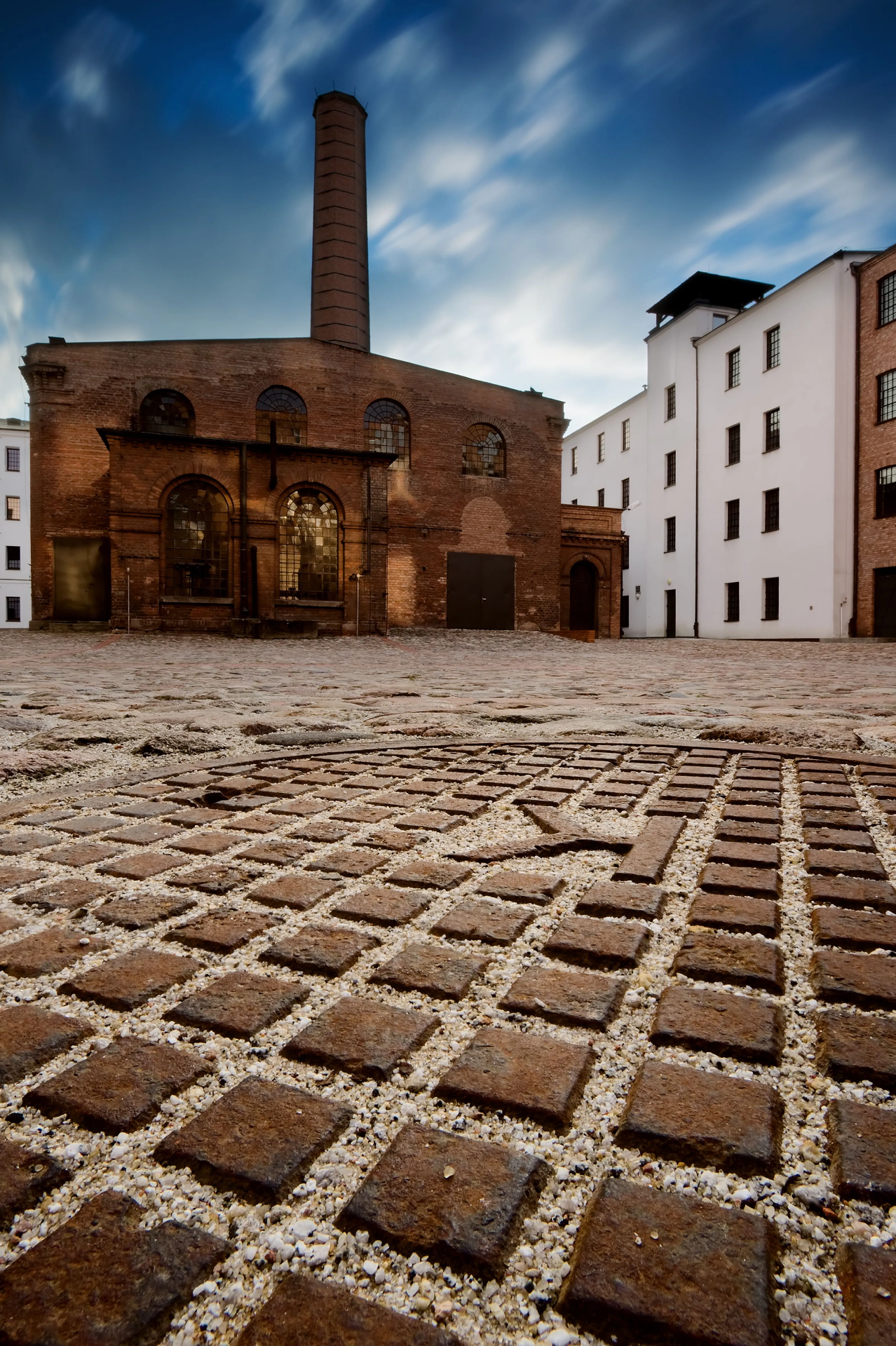
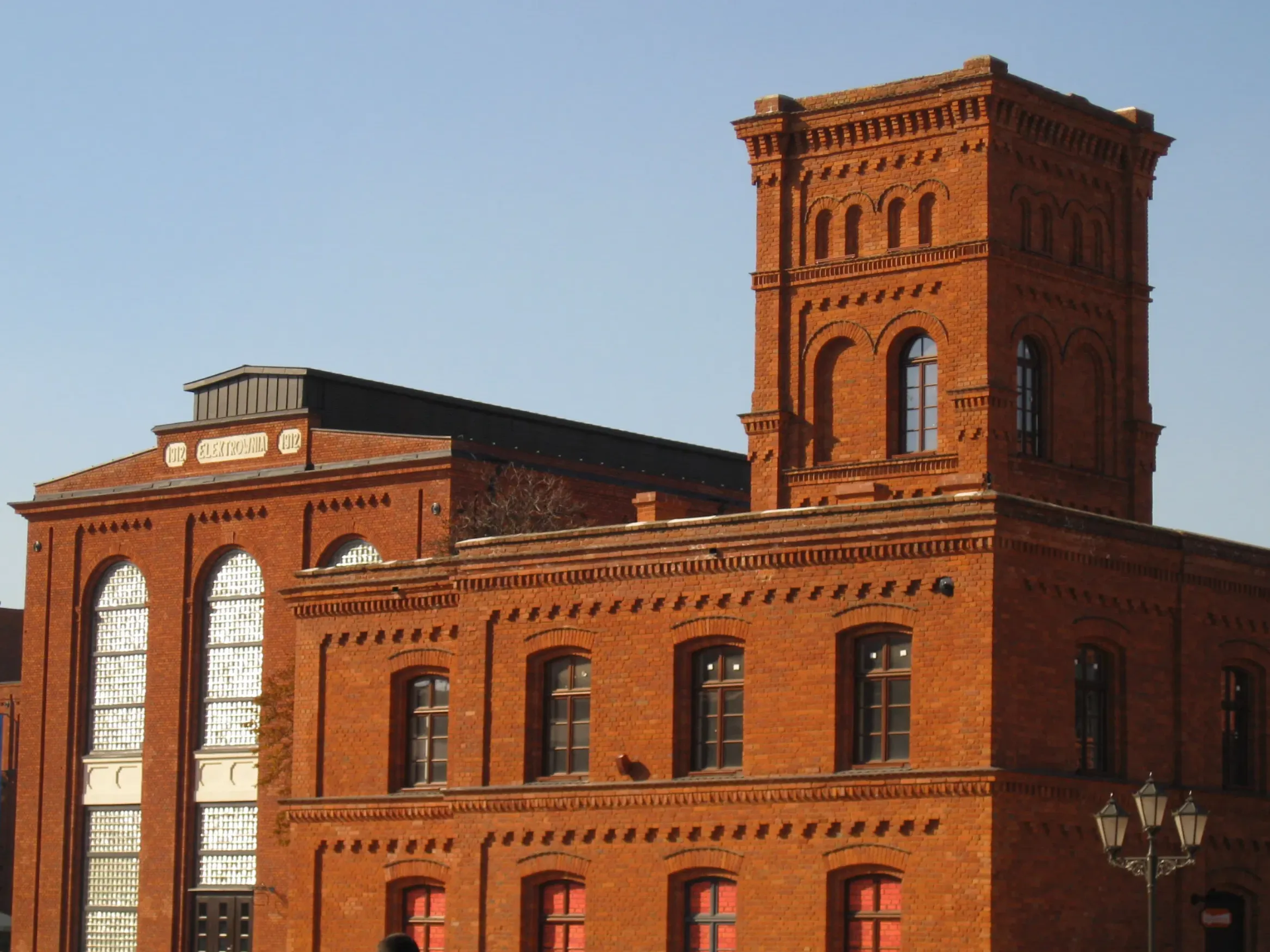
This museum is housed in Ludwik Geyer’s White Factory, one of the first and most important industrial complexes in Poland, symbolizing the textile revolution of the 19th century. It is a unique monument of industrial classicist architecture that tells the story of the rise of industry in the area.

What is the best time of year or day to plan a visit?

Spring and summer are ideal for fully enjoying the ethnographic park and the open-air wooden houses that complement the museum. To avoid crowds and explore the galleries in peace, the best time is on a Wednesday or Thursday morning.

Does the museum have accessible facilities for people with reduced mobility?

Yes, the main building has been modernized and includes elevators and ramps to make access to the exhibitions on different floors easier. However, keep in mind that the outdoor section of the open-air museum has cobbled paths that may require assistance.

What other tourist attractions can I visit near the museum?

Since it is located at the end of the famous Piotrkowska Street, you have immediate access to a wide range of dining and architectural attractions. In addition, you are very close to the historic district of Księży Młyn, another fascinating industrial complex that has been transformed into a cultural area.

What practical advice would you give me to make the most of the experience?

Wear very comfortable shoes, as you will be walking through large industrial halls and outdoor areas, and consider buying a combined ticket to see all the exhibitions. Do not forget to check the museum’s cultural program, as it often hosts unique textile events and workshops.

¿Prefieres escuchar en español?

🇪🇸 Escucha la audioguía de the Central Museum of Textiles en español