No te vayas sin conocer la historia Suscribete
IAudioGuia iaudioguia
Audio Guides of Pucallpa

Audio Guide of the Shipibo-Conibo Native Community

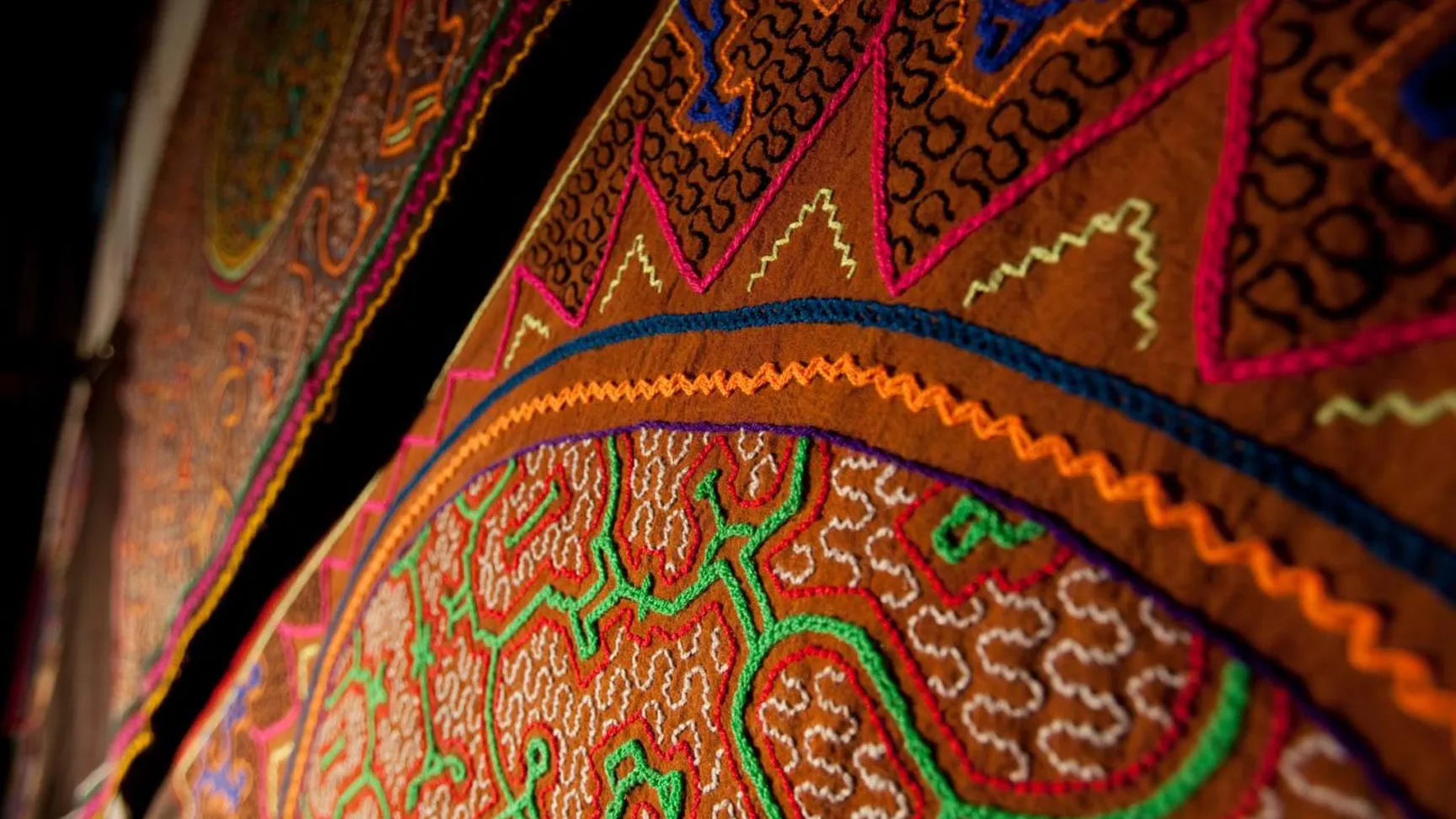
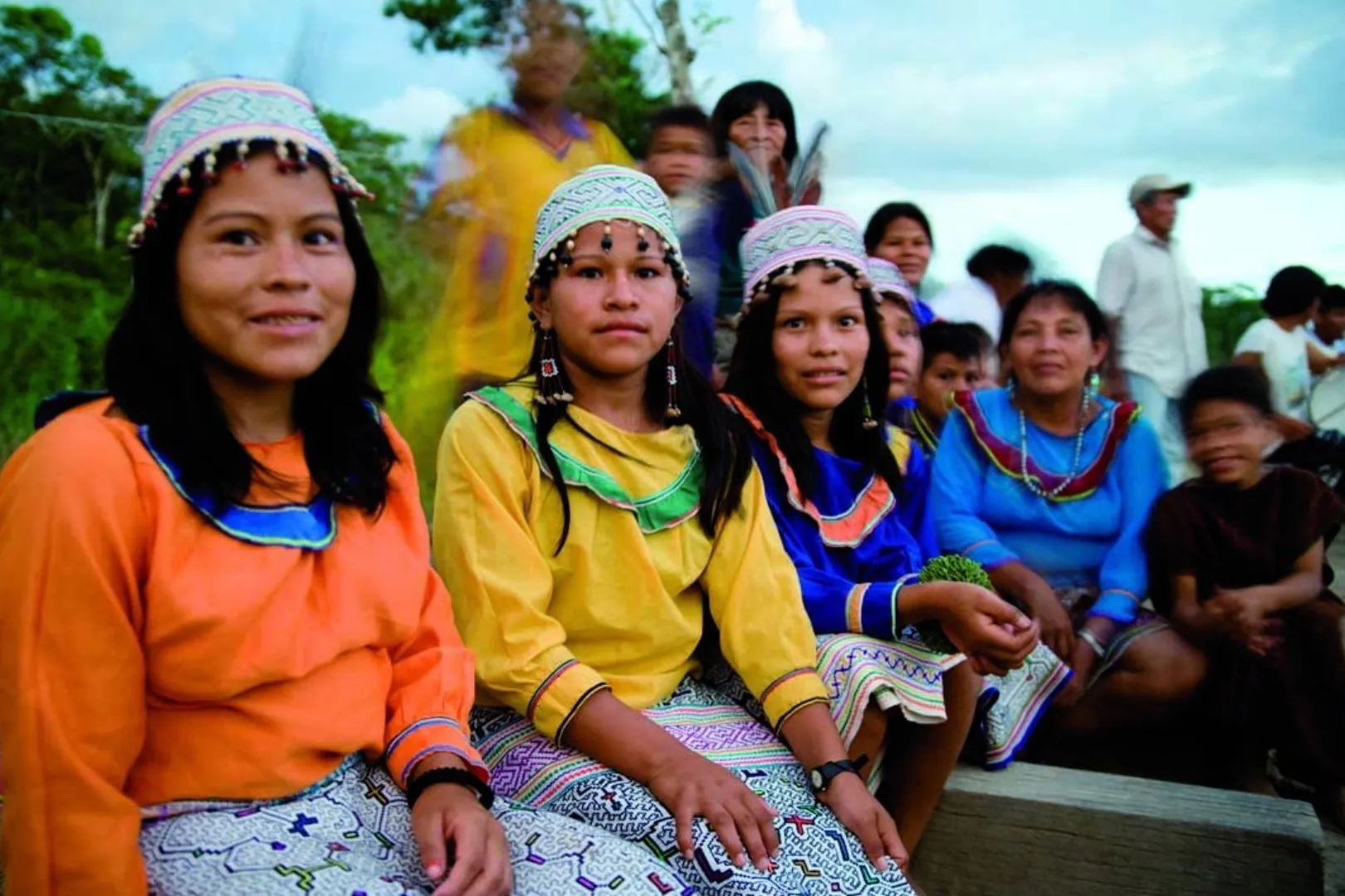
La Comunidad Nativa Shipibo-Conibo en Pucallpa es un enclave indígena amazónico donde se preservan tradiciones milenarias, artesanías únicas como el kené y prácticas espirituales conectadas con la selva.

✓ What guidebooks don't tell you
✓ Secrets other tourists miss
✓ Listen while you explore
Discover everything
00:00
00:00
Rate this audio guide

📖 Audio Guide Chapters

6 chapters

1. Introduction and History

🔒 Premium Content

Subscribe to access all chapters of this audio guide.

2. Architecture and Design

🔒 Premium Content

Subscribe to access all chapters of this audio guide.

3. Art and Decoration

🔒 Premium Content

Subscribe to access all chapters of this audio guide.

4. Historical Figures

🔒 Premium Content

Subscribe to access all chapters of this audio guide.

5. Curiosities and Legends

🔒 Premium Content

Subscribe to access all chapters of this audio guide.

6. Cultural Importance and Legacy

🔒 Premium Content

Subscribe to access all chapters of this audio guide.

❓ Frequently Asked Questions

When is the Shipibo-Conibo Native Community in Pucallpa open and how can I get there?

The community welcomes visitors every day from 8:00 a.m. to 5:00 p.m., but it is recommended to arrange organized tours with local guides. You can get there by mototaxi or shared taxi from downtown Pucallpa (about 20–30 minutes), or by river in a peki-peki boat from the port. Contact the Coronel Portillo municipality at +51 962 345 678 for more details.

How much does it cost to enter the Shipibo-Conibo Native Community?

Admission is free, but a voluntary donation of PEN 10–20 per person is suggested to support the community. If you choose a guided tour with a handicraft demonstration, the cost is around PEN 50–100 per person. Check updated prices at Peru Travel.

How much time is recommended for visiting the Shipibo-Conibo Native Community?

An ideal visit lasts 2 to 3 hours, including a tour of the homes, a kené workshop, and a cultural talk. If you include a traditional lunch, extend it to 4 hours. It is perfect for a full morning without rushing.

What is the history or cultural importance of the Shipibo-Conibo Native Community?

The Shipibo-Conibo are an Amazonian people with thousands of years of tradition, famous for their kené art (sacred geometric designs inspired by ayahuasca visions) and their connection to the rainforest. Their culture withstands modernity by preserving its worldview, traditional medicine, and handicrafts. Learn more at Shipibo-Conibo on Wikipedia.

What is the best time of year or day to visit the community?

The best time is the dry season (June to November) to avoid rain and muddy roads; avoid December to May. Go in the morning (9:00 a.m.–12:00 p.m.) when it is cooler and the artisans are active in their workshops.

Is the Shipibo-Conibo Native Community accessible for people with reduced mobility?

The main access is via unpaved dirt roads with some uneven stretches, so it is not ideal for wheelchairs without assistance. You can request help from local guides for flatter paths. Check accessibility updates at Peru Travel.

What other attractions are near the Shipibo-Conibo Native Community?

Nearby you will find the Pacaya-Samiria National Reserve (about 1 hour by boat), the Pucallpa Viewpoint, and the Pucallpa Market for handicrafts. Also visit Yarinacocha, a lake ideal for birdwatching. Explore routes at Machu Picchu Terra.

What practical tips do you recommend to make the most of the visit?

Bring insect repellent, sunscreen, water, and comfortable clothing; respect local rules such as not taking photos without permission and buying handicrafts directly from the families. Use IAudioguia for an interactive audio guide that enriches the cultural experience. Go with a local guide for authentic stories!

¿Prefieres escuchar en español?

🇪🇸 Escucha la audioguía de the Shipibo-Conibo Native Community en español