No te vayas sin conocer la historia Suscribete
IAudioGuia iaudioguia
Audio Guides of Puno

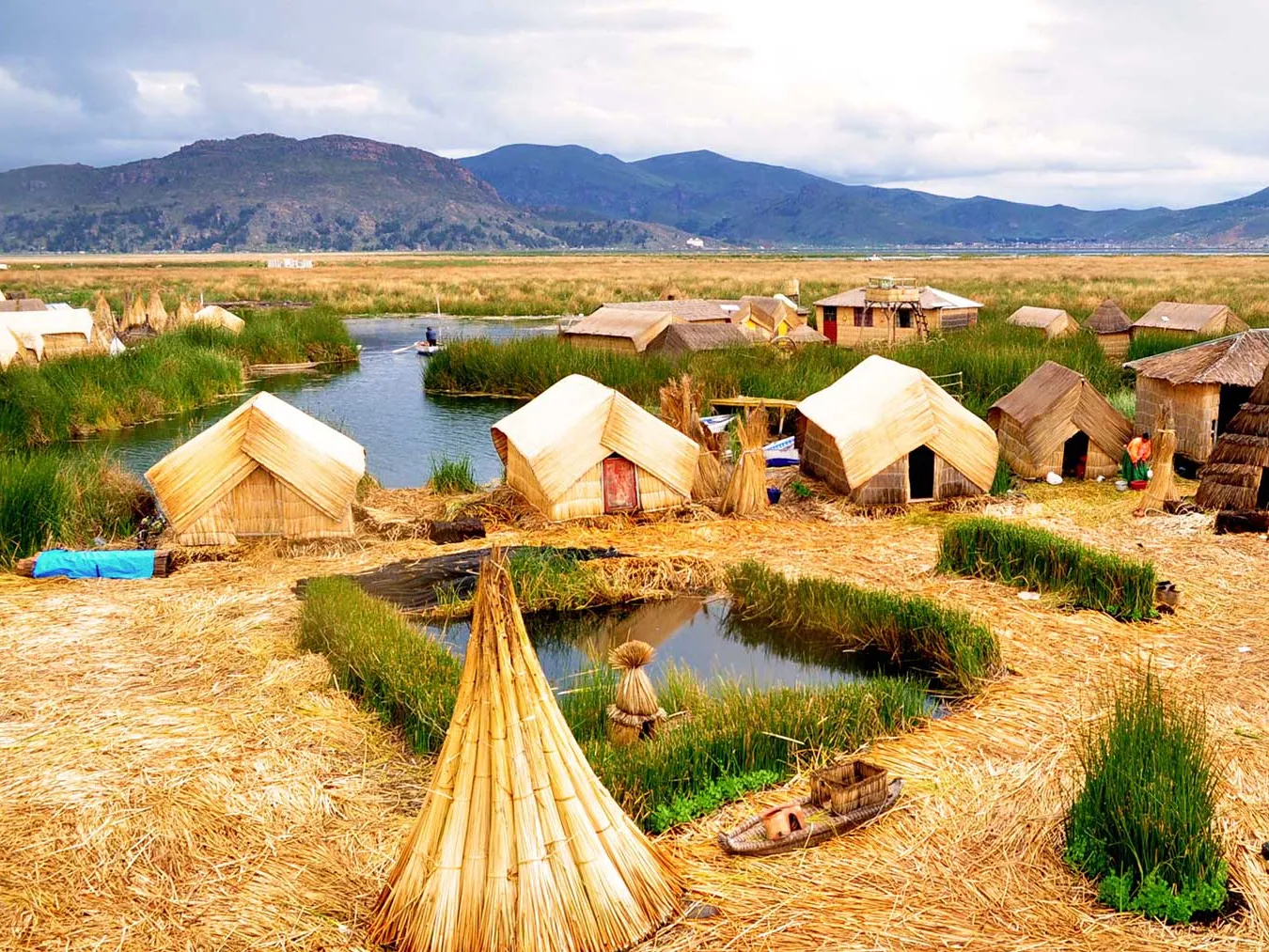
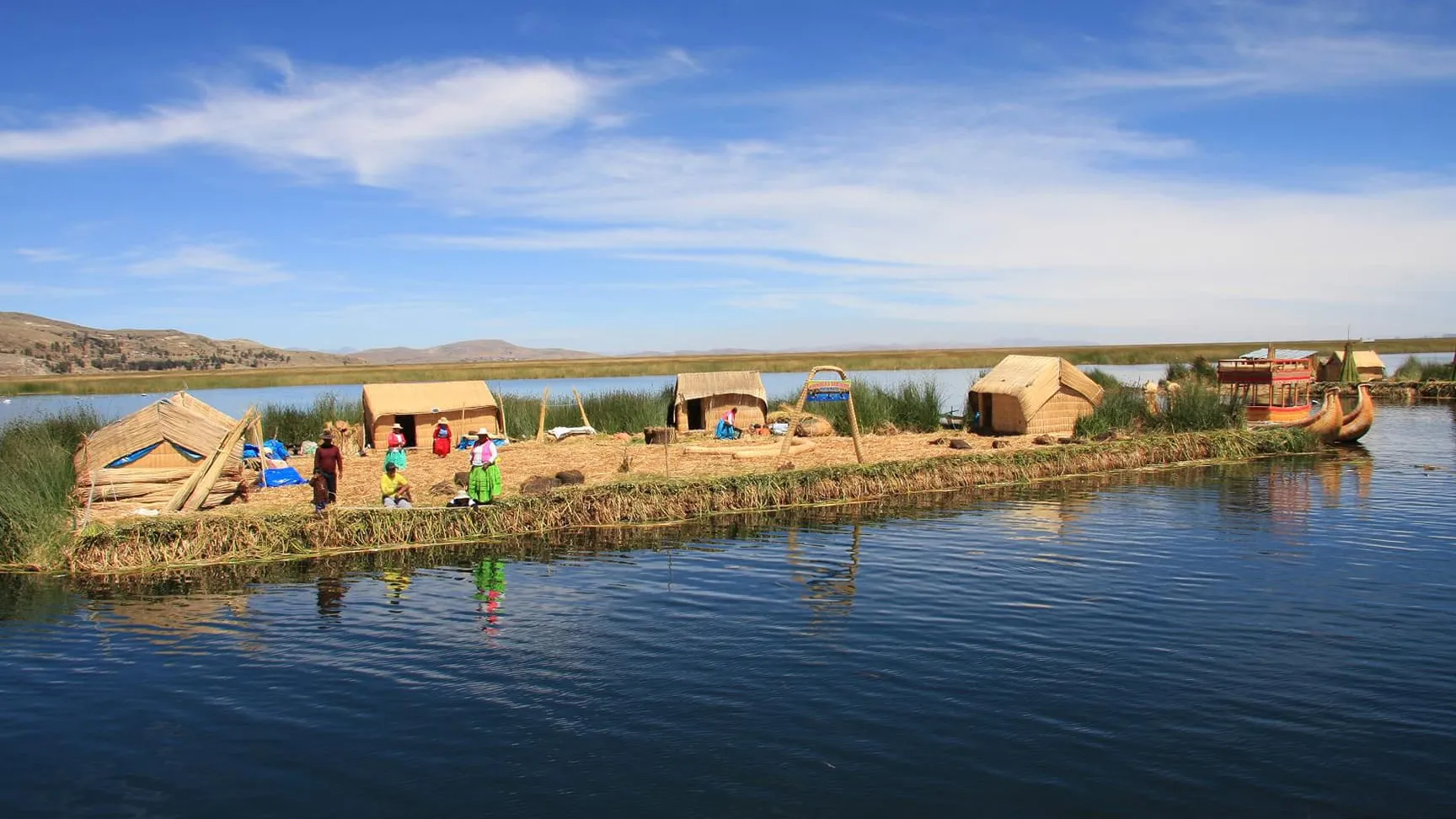
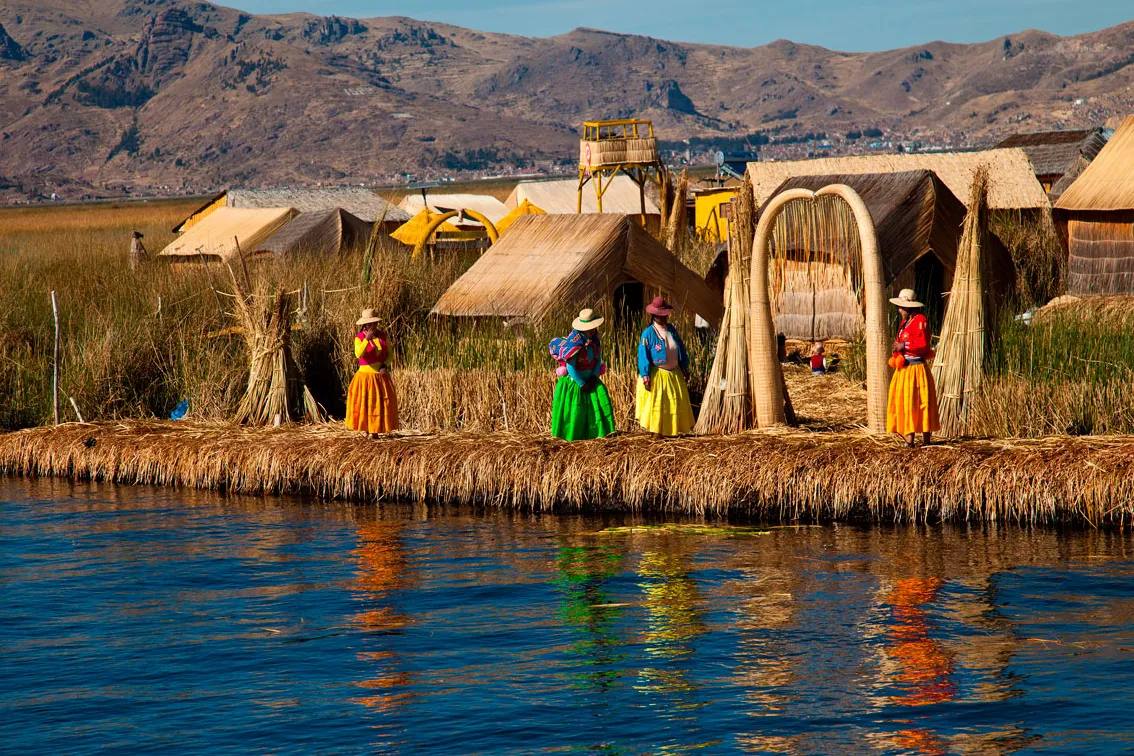
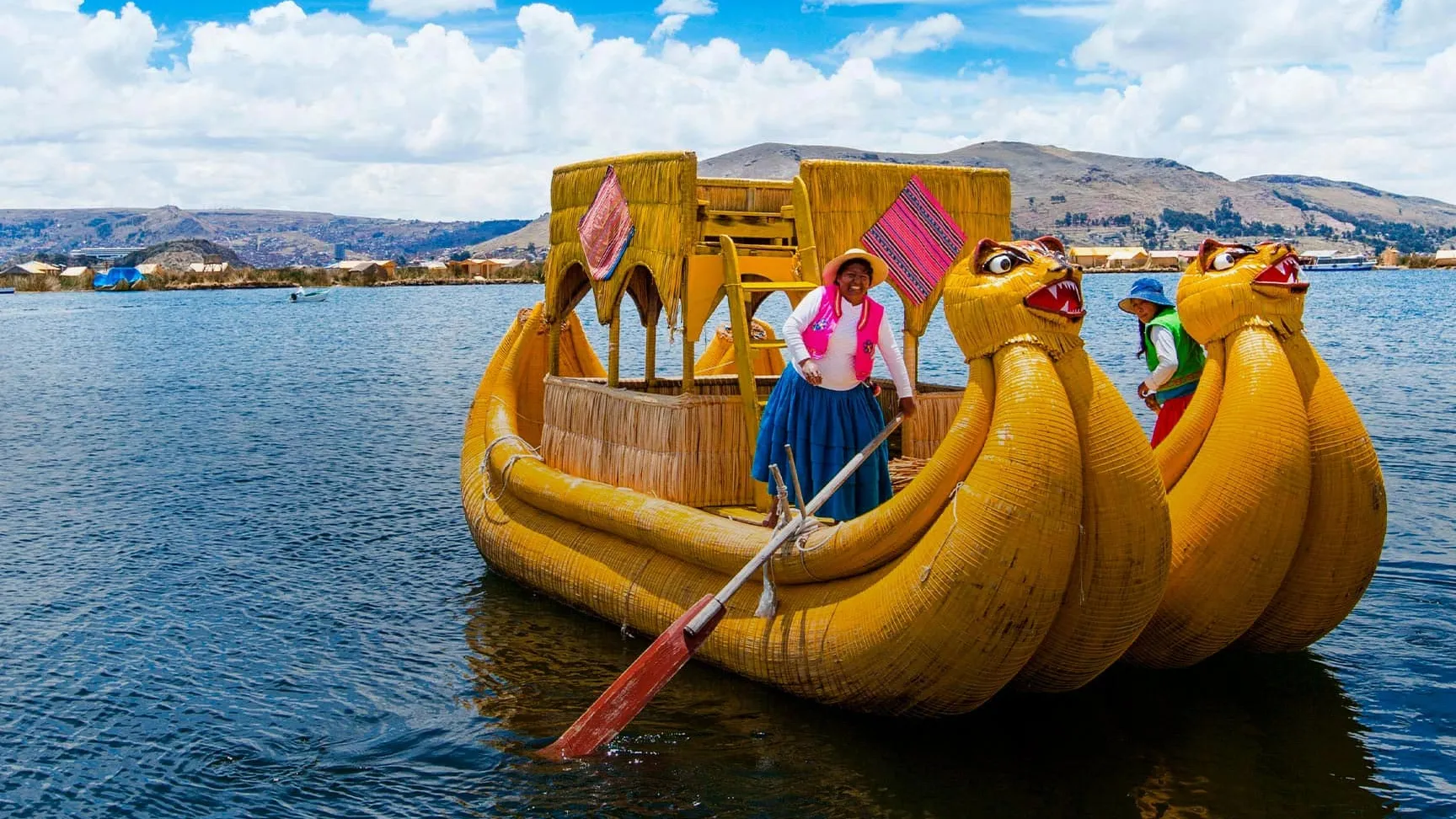
Audio Guide of the Uros Floating Islands

Un archipiélago artificial que desafía la lógica y donde los saberes ancestrales se tejen con totora

✓ What guidebooks don't tell you
✓ Secrets other tourists miss
✓ Listen while you explore
Discover everything
00:00
00:00

📖 Audio Guide Chapters

6 chapters

1. Did you know the islands come to life?

🔒 Premium Content

Subscribe to access all chapters of this audio guide.

2. The totora conspiracy

🔒 Premium Content

Subscribe to access all chapters of this audio guide.

3. The rebellion of the multicolored sails

🔒 Premium Content

Subscribe to access all chapters of this audio guide.

4. Grandma, why does your house taste like hearts of palm?

🔒 Premium Content

Subscribe to access all chapters of this audio guide.

5. Look beyond the totora

🔒 Premium Content

Subscribe to access all chapters of this audio guide.

6. When the world wants to 'civilize' you

🔒 Premium Content

Subscribe to access all chapters of this audio guide.

❓ Frequently Asked Questions

How do I get to the Uros Islands and when do the boats depart?

Boats depart daily from the port of Puno, generally between 7:00 AM and 4:00 PM. You can go to the port on your own and buy a ticket there, or book a tour that includes hotel pickup for added convenience.

How much does it cost to visit the islands? Is there an entrance fee?

Yes, there is an entrance fee to the national reserve (about 8–10 soles) plus the cost of boat transport (another 10–15 soles). Organized tours usually cost between 30 and 60 soles and include a guide and transfers.

How much time do I need for a full visit?

A standard visit to the Uros usually lasts between 3 and 4 hours, including navigation time from Puno. If you decide to combine it with Taquile Island, the excursion will take the whole day.

What is the history behind these islands and why are they important?

The Uros are an ancient pre-Inca people who built these artificial islands by weaving reeds to escape aggressive tribes on the mainland. It is a living testament to ancient engineering and unique human adaptation in the world on Lake Titicaca.

What is the best season or time of day to go?

The best time is during the dry season (April to October) to avoid rain. It is recommended to go on the first morning departure (around 7:30 AM) to enjoy the lake peacefully before the wind picks up in the afternoon.

Is it easy to access for people using wheelchairs or with reduced mobility?

Access is difficult because you have to get on and off small boats, and the reed ground is soft and uneven. It is not recommended for wheelchairs, although with private assistance and advance planning, a partial panoramic visit might be possible.

What other interesting places can I see near the Uros?

It is very common to continue the trip to the natural islands of **Taquile** or **Amantani** to learn about their textile and agricultural traditions. You can also explore the city of Puno and visit the Yavari museum ship or the Cathedral.

What tips would you give me to make the most of the visit?

Bring high-SPF sunscreen and sunglasses, as radiation at high altitude is very strong. Also bring cash in coins (soles) to buy handicrafts directly from locals or leave an optional tip for photos inside their homes.

¿Prefieres escuchar en español?

🇪🇸 Escucha la audioguía de the Uros Floating Islands en español