No te vayas sin conocer la historia Suscribete
IAudioGuia iaudioguia
Audio Guides of Juliaca

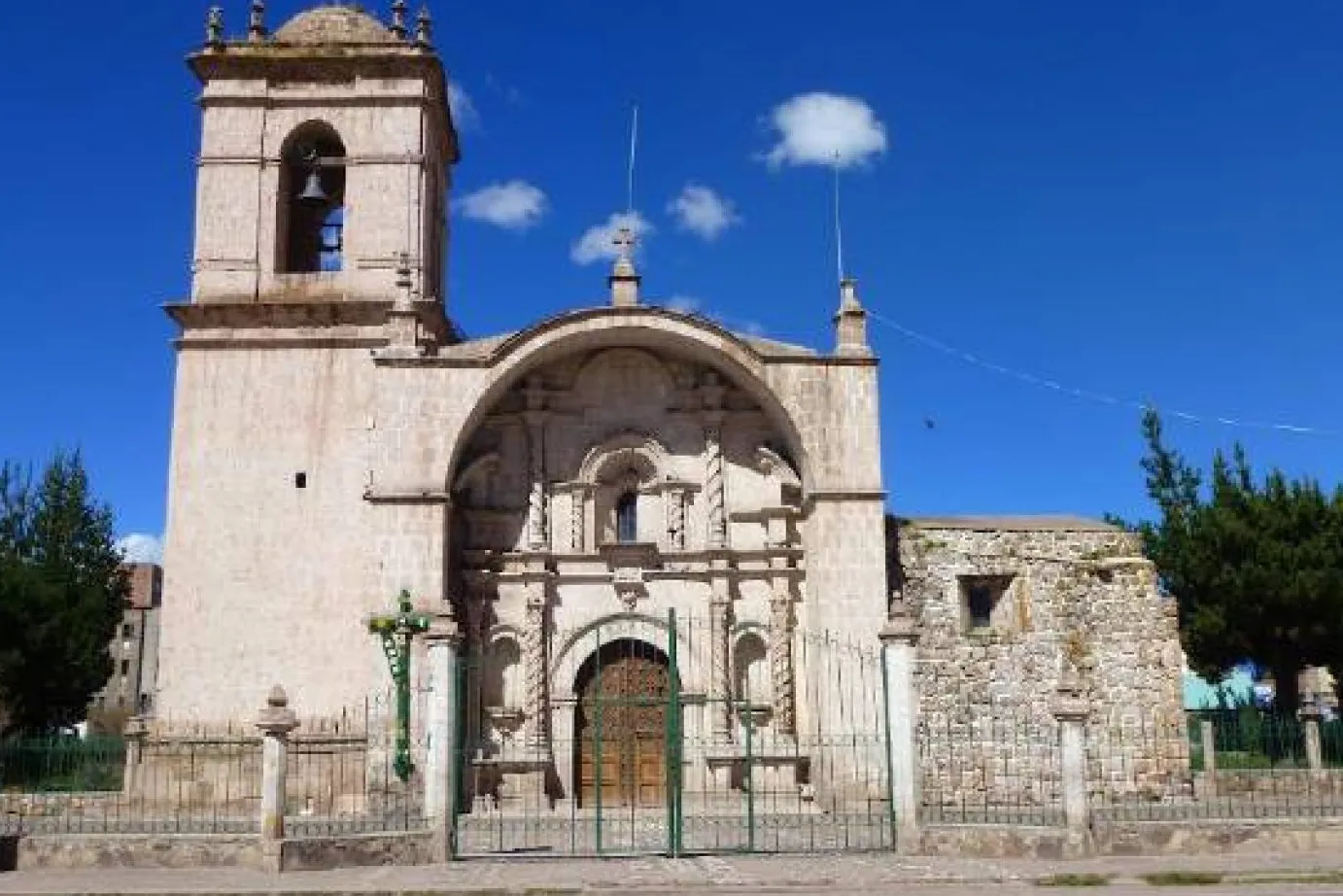
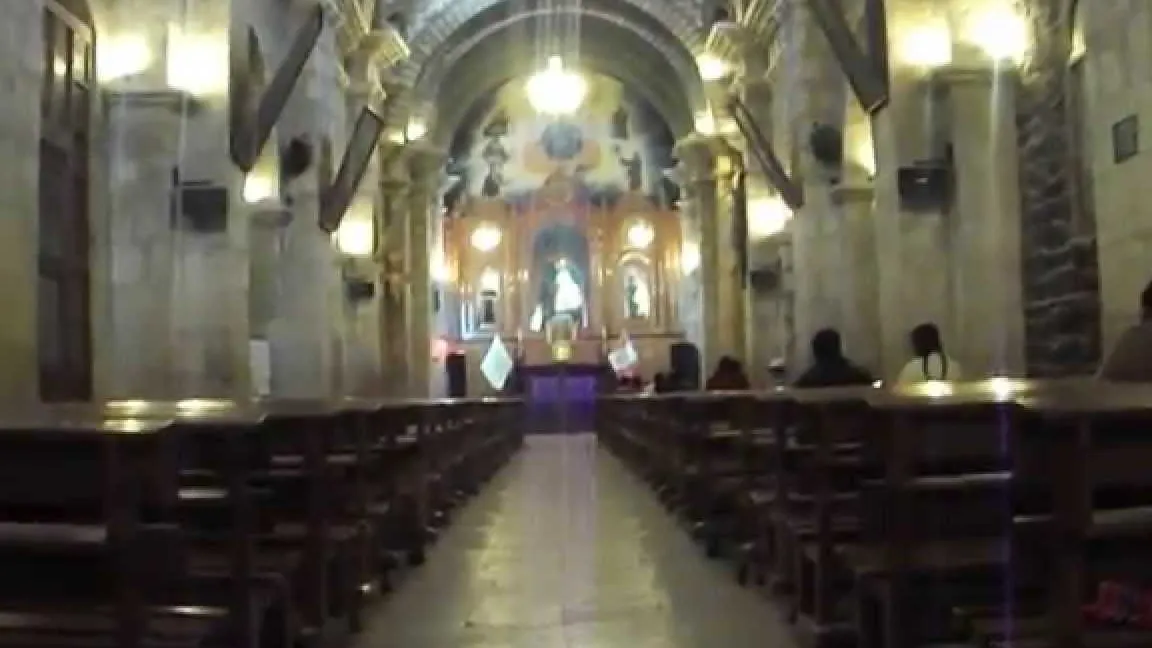
Audio Guide of Saint Catherine Church of Juliaca

Donde los santos tienen rasgos indígenas y las piedras esconden revueltas históricas

✓ What guidebooks don't tell you
✓ Secrets other tourists miss
✓ Listen while you explore
Discover everything
00:00
00:00

📖 Audio Guide Chapters

6 chapters

1. The sacred fortress: when the priests barricaded themselves inside

🔒 Premium Content

Subscribe to access all chapters of this audio guide.

2. Andean Baroque: saints in ponchos and potato flowers

🔒 Premium Content

Subscribe to access all chapters of this audio guide.

3. The rebel priest and the drunken mayor

🔒 Premium Content

Subscribe to access all chapters of this audio guide.

4. The tower that flirts with the sky

🔒 Premium Content

Subscribe to access all chapters of this audio guide.

5. The secret in Saint Catherine's corner

🔒 Premium Content

Subscribe to access all chapters of this audio guide.

6. The stone that survived time, and Andean humor

🔒 Premium Content

Subscribe to access all chapters of this audio guide.

❓ Frequently Asked Questions

What are the opening hours of the Santa Catalina Monastery and how do I get there?

The monastery is open every day from 9:00 a.m. to 5:00 p.m., with special extended hours on Thursdays until 8:00 p.m. for night visits. Entry is through 301 Santa Catalina Street, just a few blocks from Arequipa's Plaza de Armas.

How much is admission and where can I buy tickets?

General admission for foreign visitors is 45 soles, with reduced rates for Peruvians and students. You can buy your tickets at the box office or check updated details on its official website.

How much time is recommended to explore the entire complex?

As it is a true citadel of more than 20,000 square meters, we recommend setting aside between 1.5 and 2 hours. That is the ideal amount of time to calmly explore its cloisters, streets, and cells while listening to the audio guide stories.

Why is this place so famous and historically important?

Founded in 1579, it is the most impressive example of viceregal architecture in Arequipa and remained closed off from the world for nearly 400 years. Its volcanic ashlar walls painted in vibrant colors tell the story of the cloistered nuns from the wealthiest families of the time.

What is the best time of day or year to take photos and visit?

The best time is during the dry season, from May to September, to enjoy blue skies. For photography, the afternoon light from 3:00 p.m. to 4:30 p.m. highlights the ochre and blue colors of the walls, and the Thursday night visit offers a unique mystical atmosphere.

Is the site accessible for people with reduced mobility or wheelchairs?

Due to its original 16th-century architecture, access is challenging because of the cobblestone floors and narrow steps. Accessibility is limited, although some areas of the first courtyard can be visited with assistance; it is recommended to ask directly at the entrance.

What other tourist attractions can I visit near the monastery?

Because it is in the heart of the historic center, you can walk to the impressive Plaza de Armas and Arequipa Cathedral Basilica. The Andean Sanctuaries Museum, home of the famous mummy Juanita, is also very close.

What practical recommendations should I keep in mind to make the most of my visit?

It is essential to wear comfortable, non-slip shoes for walking on the cobblestones, as well as a hat and sunscreen because of the local solar radiation. To deeply understand the history without depending on groups, we suggest using a professional audio guide.

¿Prefieres escuchar en español?

🇪🇸 Escucha la audioguía de Saint Catherine Church of Juliaca en español