Donde los árboles susurran secretos shipibos y los delfines rosados te pueden robar el corazón
Pucallpa Natural Park generally opens from 8:00 AM to 5:00 PM, although I recommend checking specific hours, as they may vary. You can easily get there by taxi or mototaxi from downtown Pucallpa; the ride is short and inexpensive. Advance booking is not usually necessary for individual visits. For large groups, we recommend contacting the local administration for more information.
Yes, Pucallpa Natural Park has a small entrance fee that helps support the maintenance and conservation of the site. Prices are quite affordable and may differ for domestic and international visitors. I recommend bringing some cash, although some tourist sites already accept card payments. If you need more information about current rates, you can try contacting the municipality or looking for information in local travel guides.
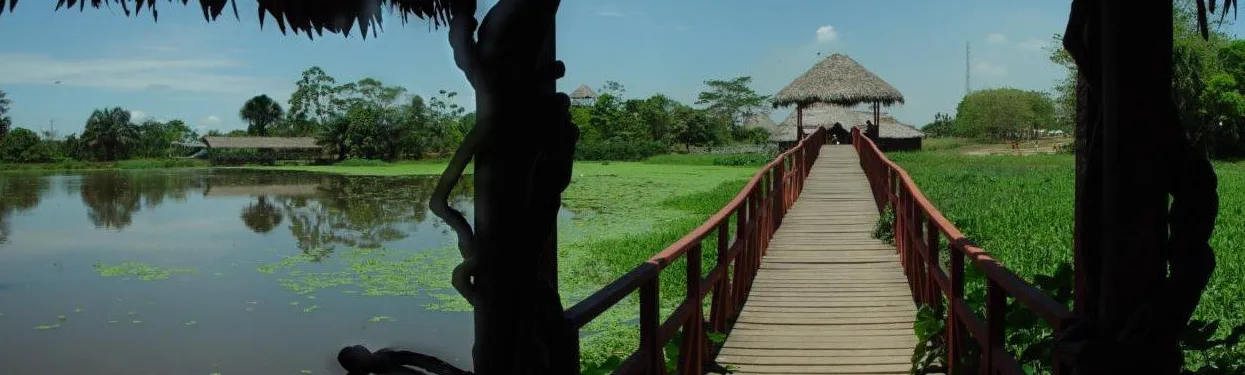
Ideally, you should allow between 2 and 3 hours to fully enjoy the visit without rushing. This gives you enough time to walk the trails, observe the wildlife and plant life, and stop at points of interest such as the serpentarium or the small zoo. If you love nature or photography, you could easily spend even more time exploring.
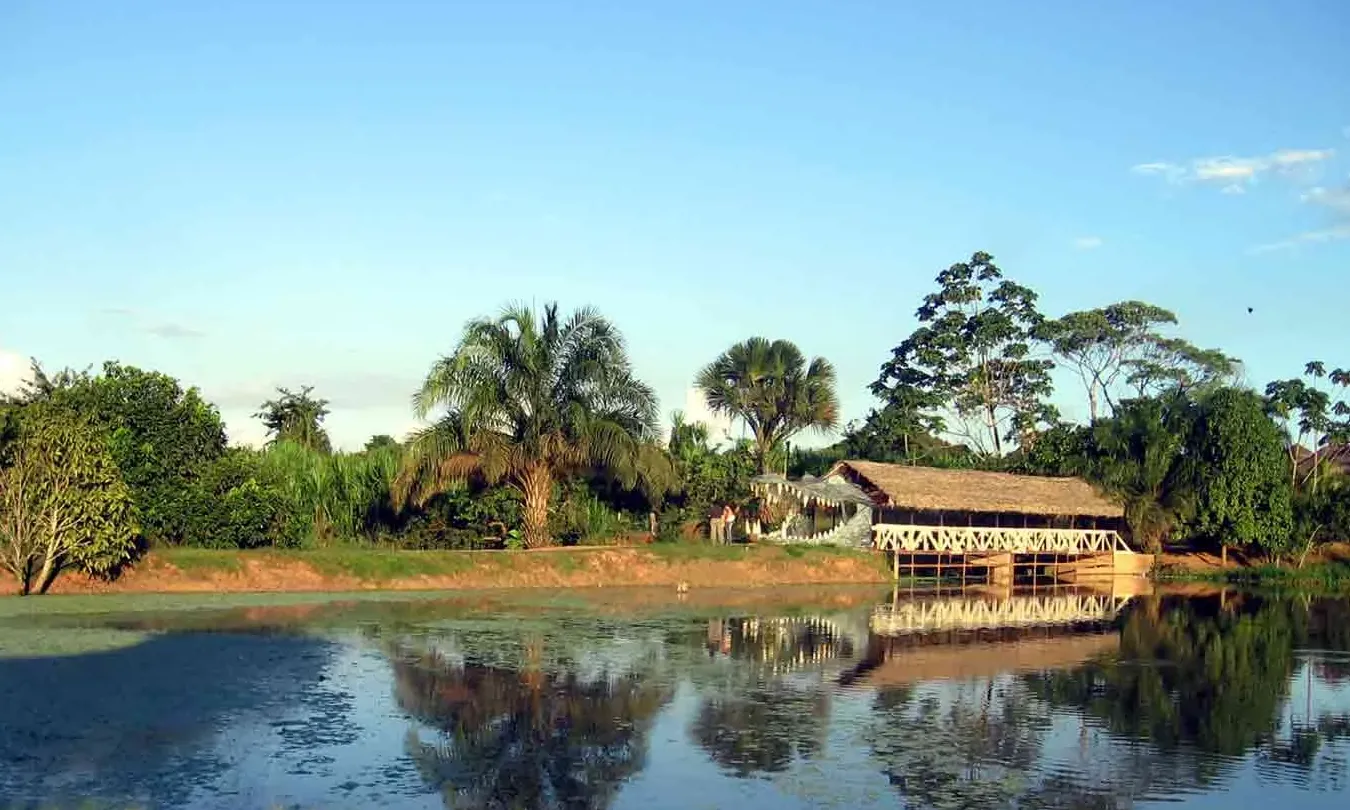
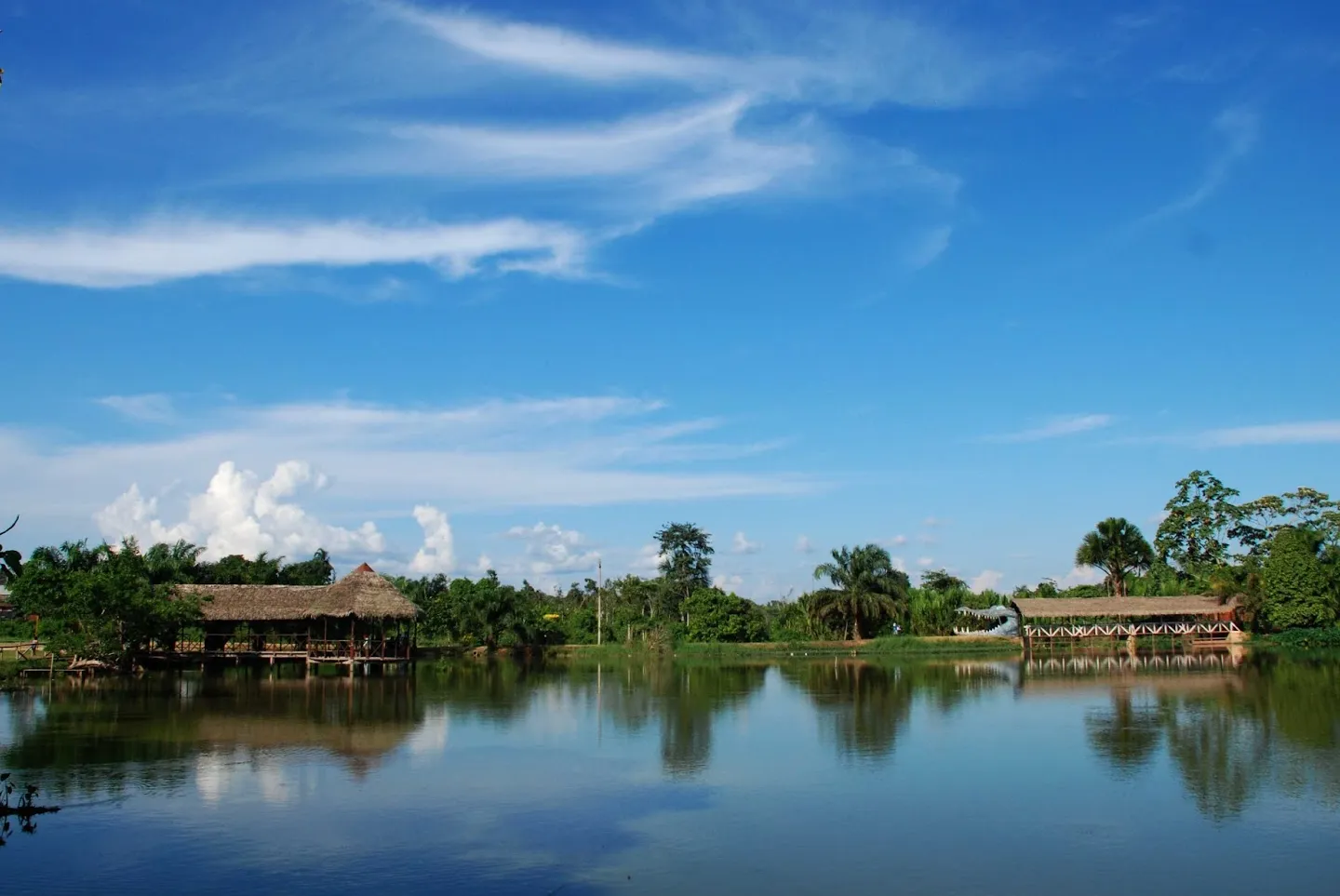
Pucallpa Natural Park is a key space for the conservation of Amazonian biodiversity and a center for environmental education. It was created to protect native endangered species and to raise awareness among visitors about the importance of the rainforest. It is also a green lung for the city and a recreational space for local residents.
The best time to visit Pucallpa, and therefore the park, is during the dry season (May to October), when rainfall is less frequent and the weather is more pleasant for outdoor activities. As for the best time of day, I recommend going early in the morning, just after opening, to avoid the intense midday heat and to see the animals at their most active, or later in the afternoon if you prefer a quieter atmosphere.
As a natural environment, Pucallpa Natural Park may present some limitations for people with reduced mobility. While the main areas and the more manageable paths usually offer relatively easy access, some areas or more rustic trails could be challenging. I recommend contacting the park administration directly, if a local contact number is available, or looking for more detailed information in travel forums or on social media to confirm the accessibility of the facilities before your visit.
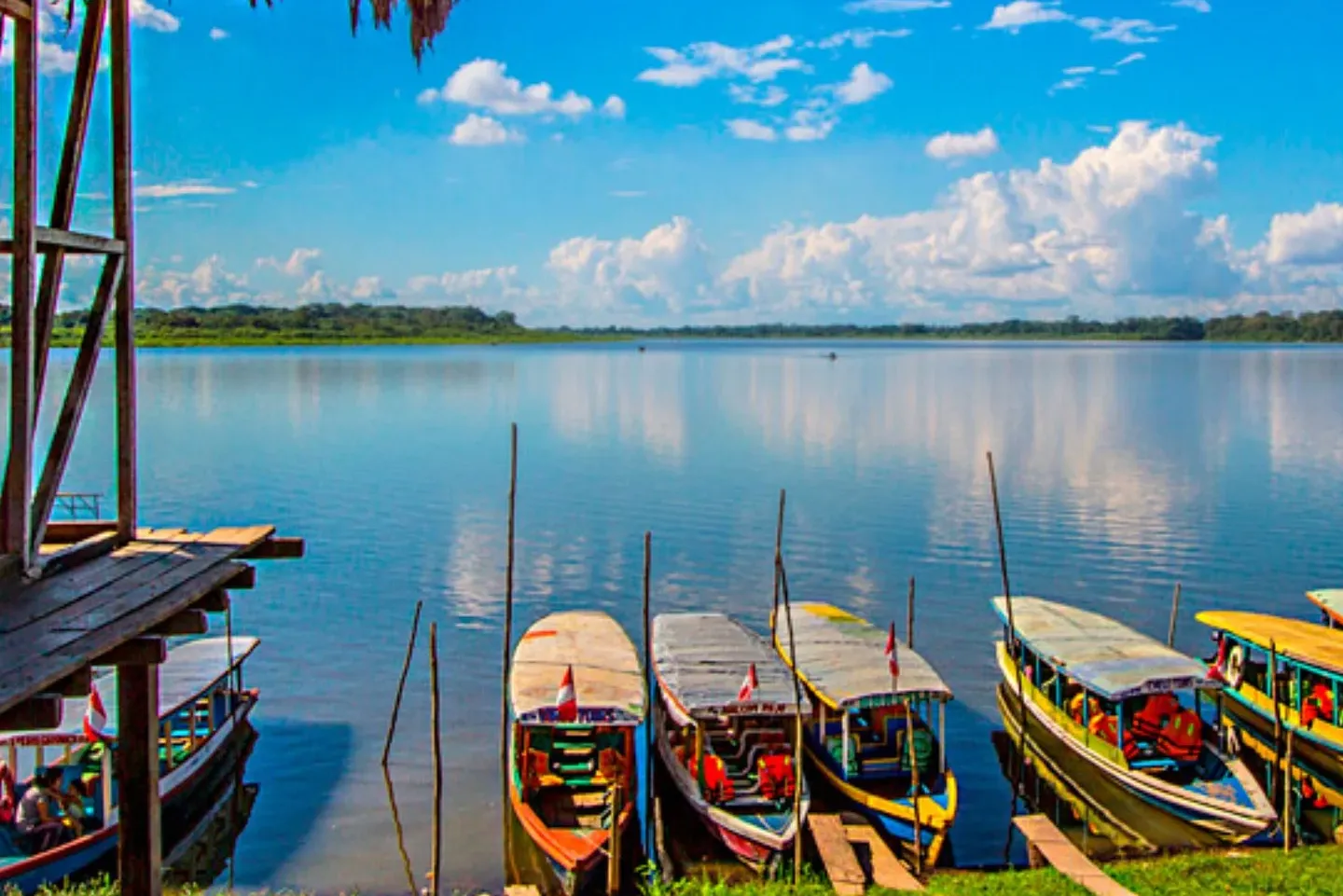
Near the natural park, you can visit Lake Yarinacocha, a beautiful body of water ideal for boat rides and for getting to know native communities such as San Francisco. Pucallpa Main Square and its Public Clock, as well as the cathedral and Pucallpa Market, will also give you a good sense of local life. If you are looking for cultural experiences, check whether there are craft centers or Shipibo communities offering guided visits. For more tourist information about the region, I suggest visiting Ytuqueplanes.com - Pucallpa.
Of course! Bring insect repellent, sunscreen, and a hat, as the weather can be hot and humid. Wear light clothing and comfortable walking shoes. Do not forget your camera—the flora and fauna can provide amazing photo opportunities. Drink plenty of water to stay hydrated. Also, always follow the signs, do not feed the animals, and do not leave any litter so the park remains in excellent condition.
¿Prefieres escuchar en español?
🇪🇸 Escucha la audioguía de Pucallpa Natural Park en español