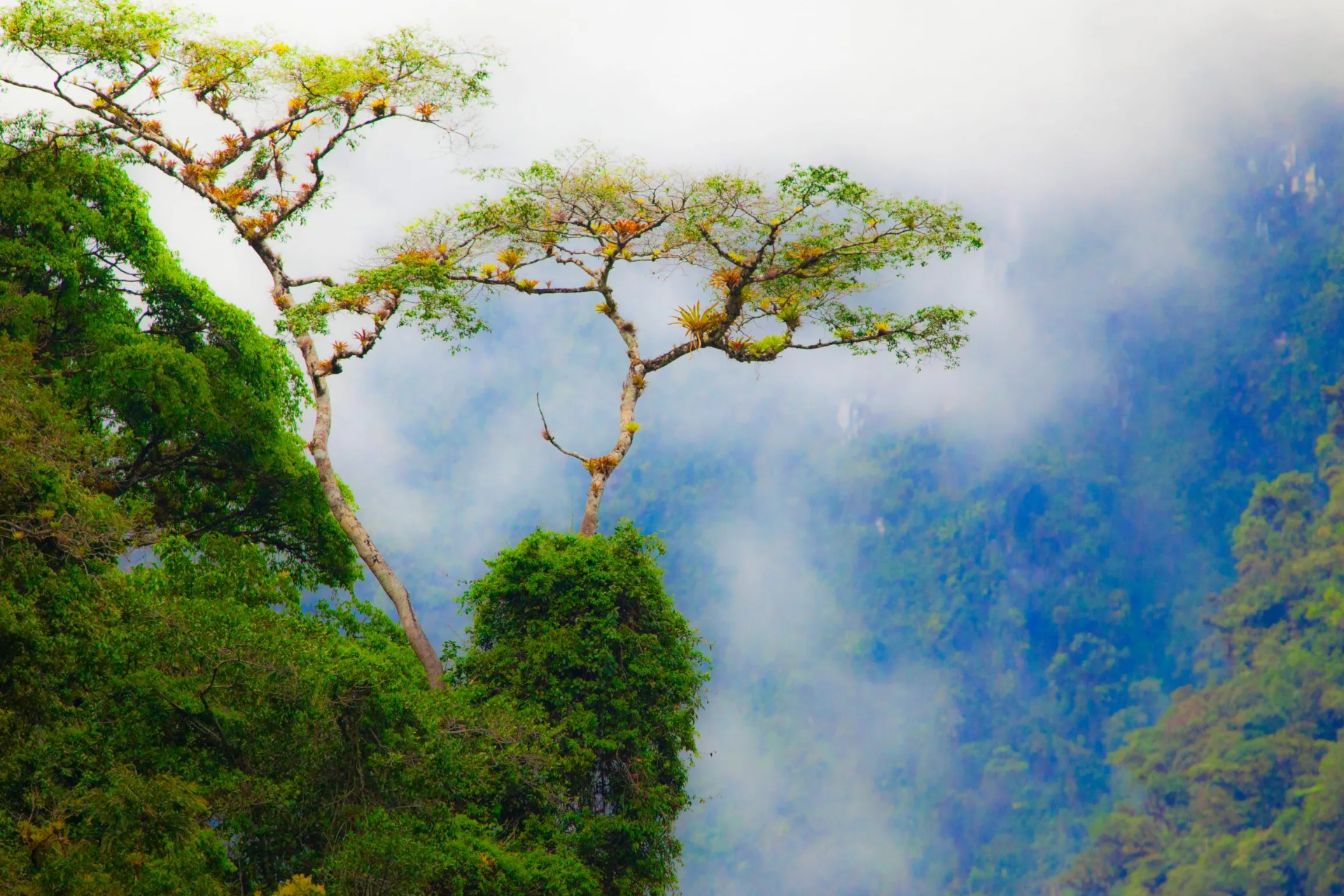
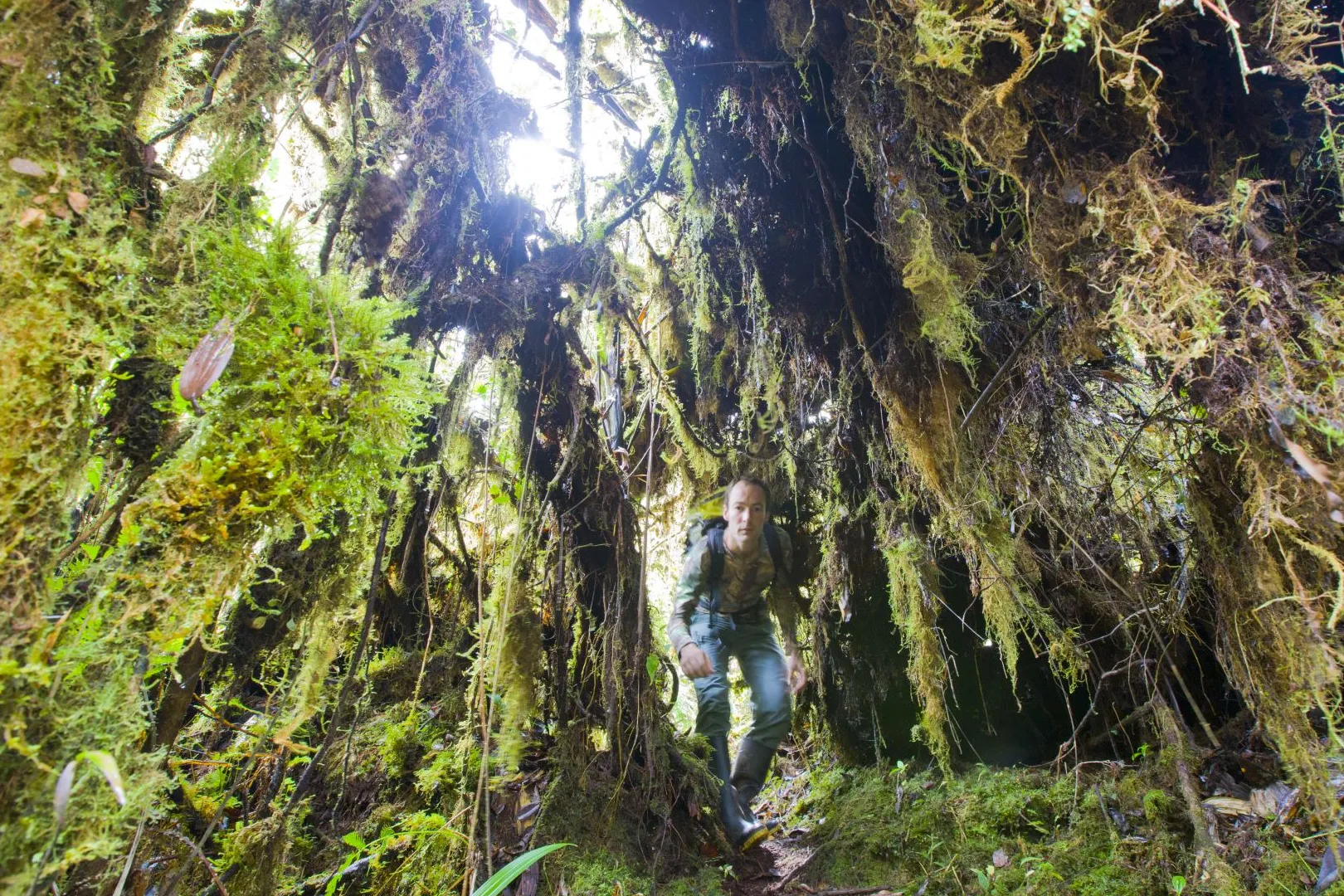
¿Sabías que esta selva casi desaparece por una invasión de madereros, pero los indígenas la salvaron con astucia y coraje?
Yanachaga-Chemillén National Park is open to visitors from Monday to Sunday, generally from 8:00 AM to 5:00 PM. To enter, you can arrange access with the park administration or with authorized local guides in Oxapampa, who can help you with the necessary permits and access routes.I recommend visiting the official SERNANP website for the most up-to-date information: Yanachaga-Chemillén National Park - SERNANP.
Yes, entry to Yanachaga-Chemillén National Park has a fee that varies according to nationality (domestic or foreign) and category (adult, child, student). It is essential to check the latest rates with the park administration or through authorized tour operators. Guide fees or additional services are often not included in the entrance ticket.For details on current rates, you can contact the SERNANP office in Oxapampa directly or check their website.
The length of your visit can vary greatly depending on the trails and activities you want to do. For a basic exploration of the most accessible areas and some waterfalls, one full day could be enough. However, for deeper trekking routes or birdwatching, it is recommended to plan at least 2 to 3 days, staying overnight in authorized areas or outside the park.Check with your guide about the available routes and their durations.
Yanachaga-Chemillén National Park was established in 1986 to protect one of the most biodiverse areas of the Amazonian Andes, including cloud forests and high-altitude grasslands. Its name comes from Quechua words and reflects the ancestral connection of local communities, such as the Yanesha, with this territory, which they consider sacred. It is a crucial refuge for endemic species and a vital biological corridor.You can learn more about its creation and purpose on the SERNANP website.
The best time to visit Yanachaga-Chemillén is during the dry season, which generally runs from May to October. During these months, rain is less frequent, making trail access easier and improving conditions for observing flora and fauna. The rainy season (November to April) can make some roads impassable and reduce visibility.It is always advisable to check the weather forecast before your trip.
Unfortunately, most of Yanachaga-Chemillén National Park, due to its mountainous geography and natural trails, is not fully adapted for people with reduced mobility. Routes and paths are uneven, with slopes and often slippery terrain. However, some entrance areas or viewpoints may offer limited access. If you have special needs, I recommend contacting SERNANP directly or specialized tour operators to learn about specific options and limitations.The phone number of the SERNANP office in Oxapampa may be useful for inquiries:
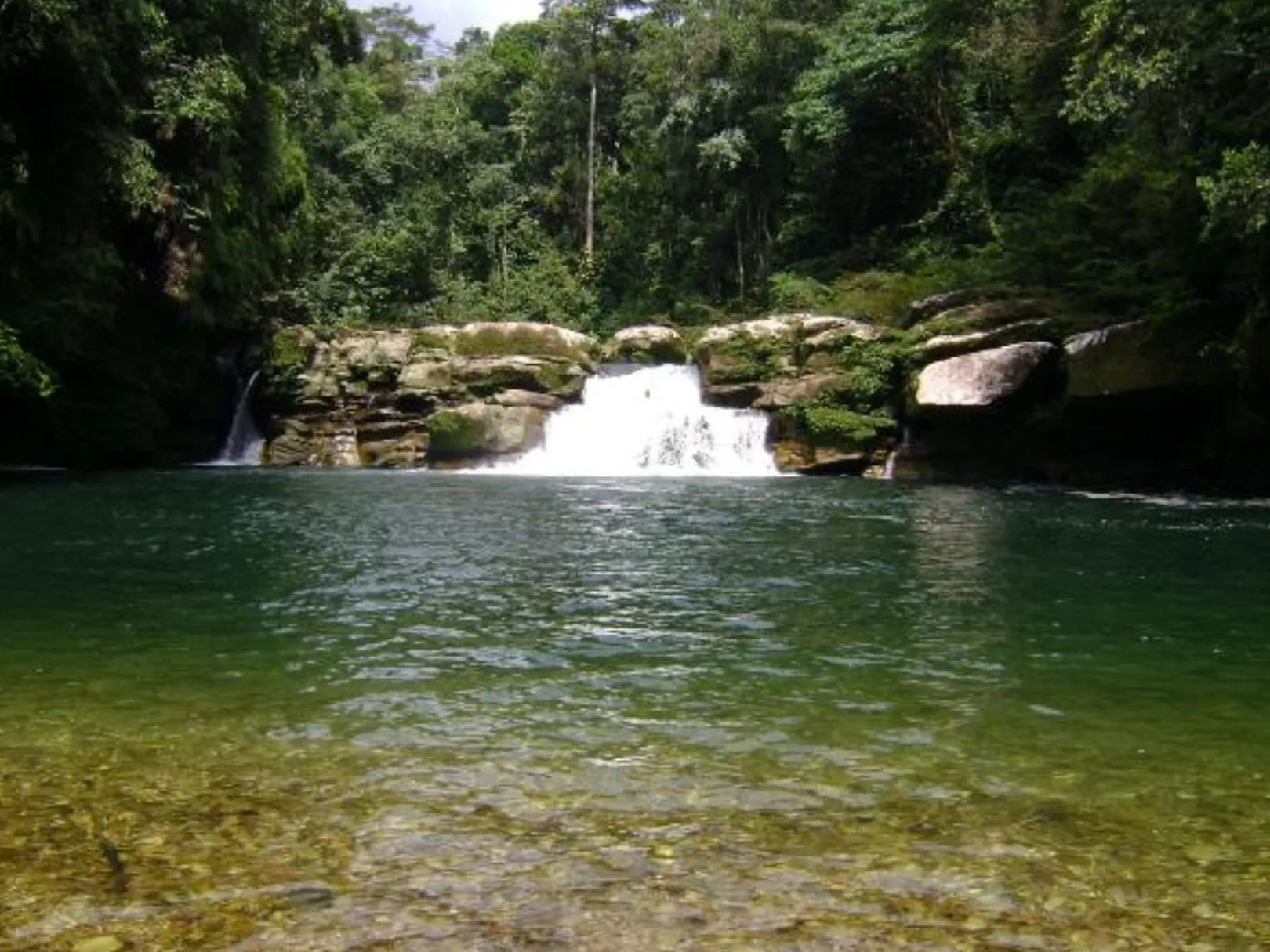
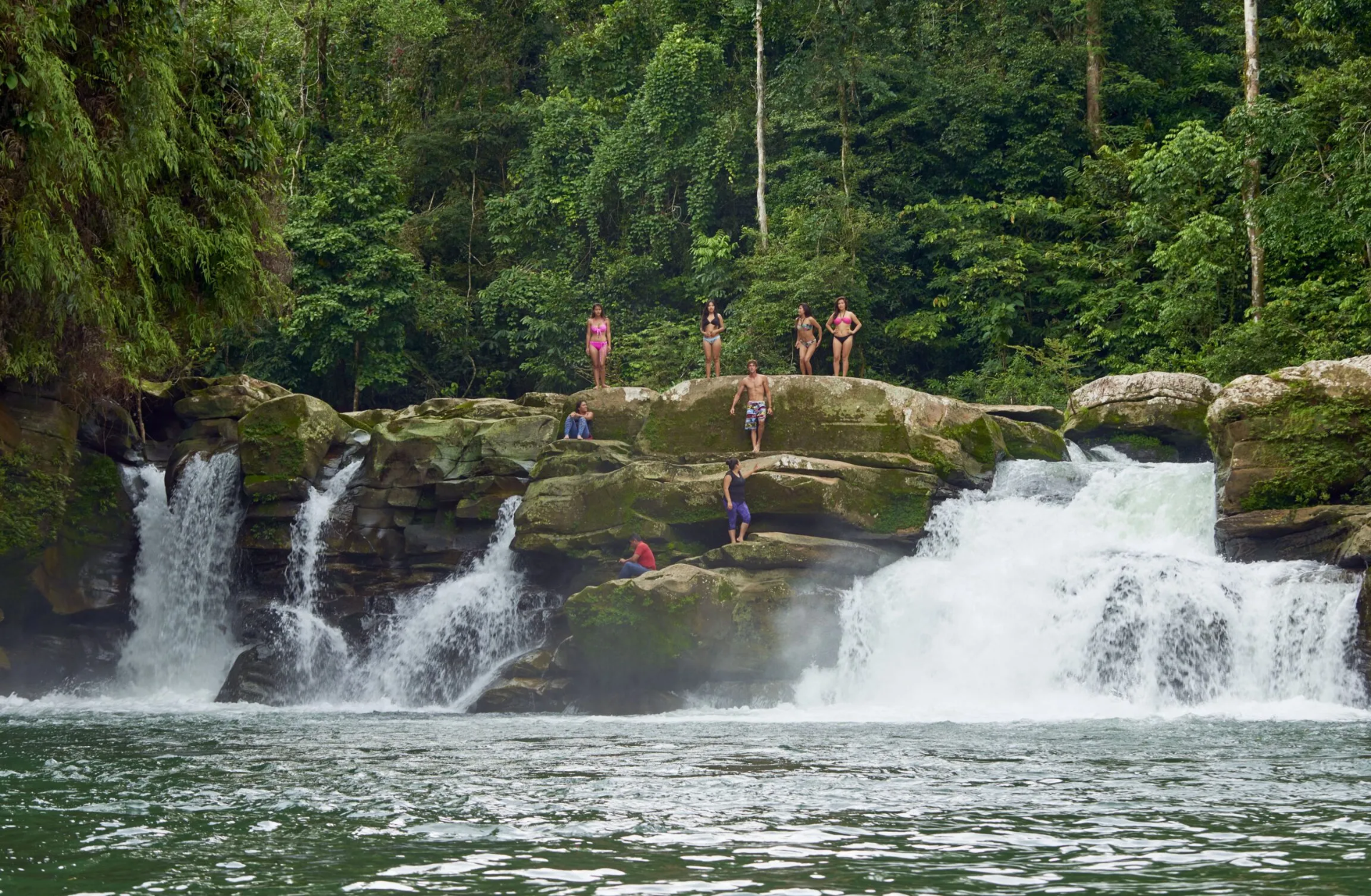
Near the park, Oxapampa offers many attractions. You can explore downtown Oxapampa with its Tyrolean architecture, visit Tiger River Waterfall, Cross Viewpoint, or Witt Farm. There are also coffee and honey farms where you can learn about local production and taste fresh products. The Coffee Route is a popular experience.Do not miss nearby communities such as Prussia or Pozuzo, which offer unique cultural richness.
Of course. First, hire an authorized local guide; their knowledge of the ecosystem and routes is invaluable. Bring suitable clothing for mountain weather (layers), waterproof trekking shoes, sunscreen, insect repellent, and plenty of water. Do not forget a camera and binoculars for birdwatching. Always follow your guide’s instructions, do not leave trash behind, and respect the park’s flora and fauna. Finally, enjoy your immersion in nature!
¿Prefieres escuchar en español?
🇪🇸 Escucha la audioguía de Yanachaga-Chemillén National Park en español