No te vayas sin conocer la historia Suscribete
IAudioGuia iaudioguia
Audio Guides of Oxapampa

Audio Guide of Tiger Waterfall

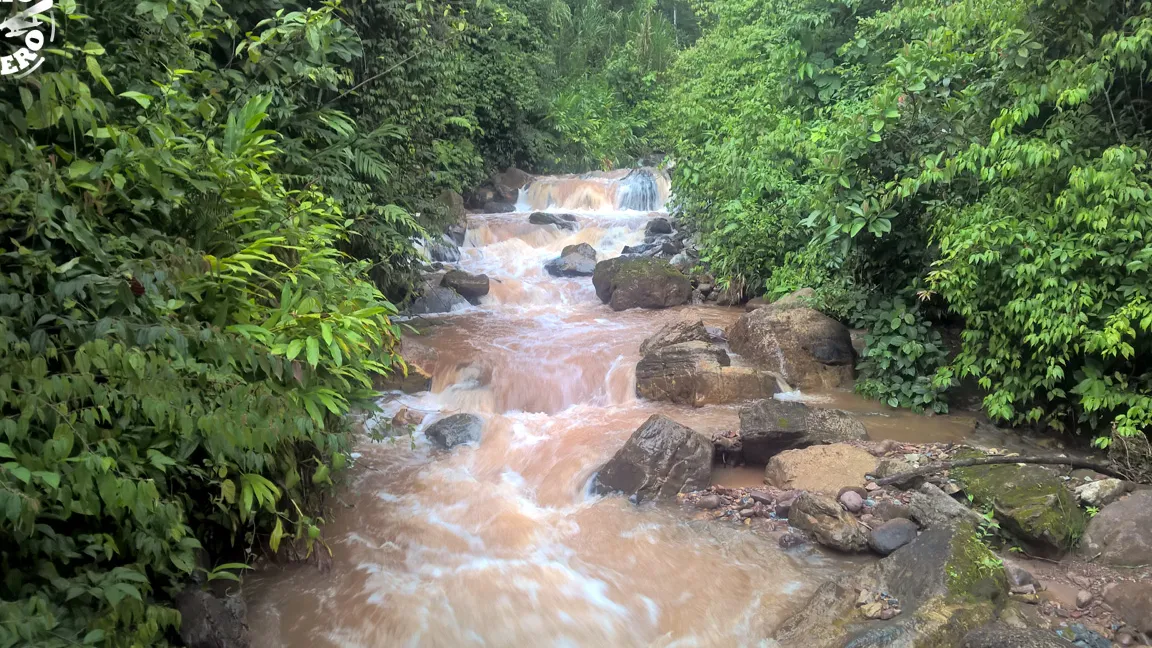
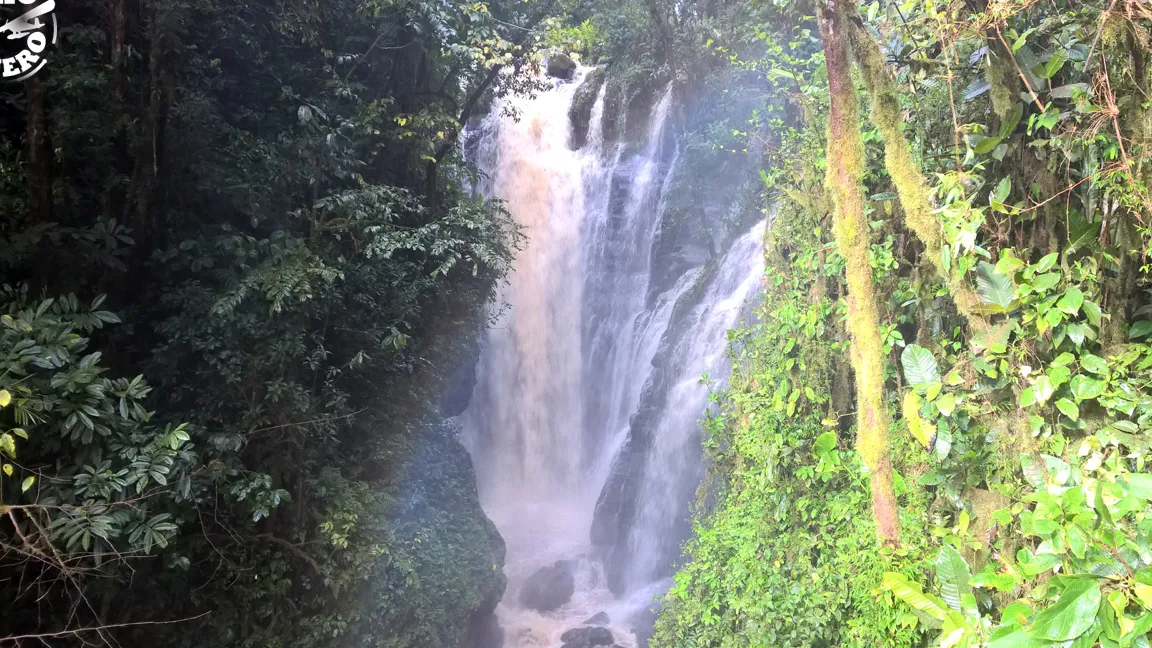
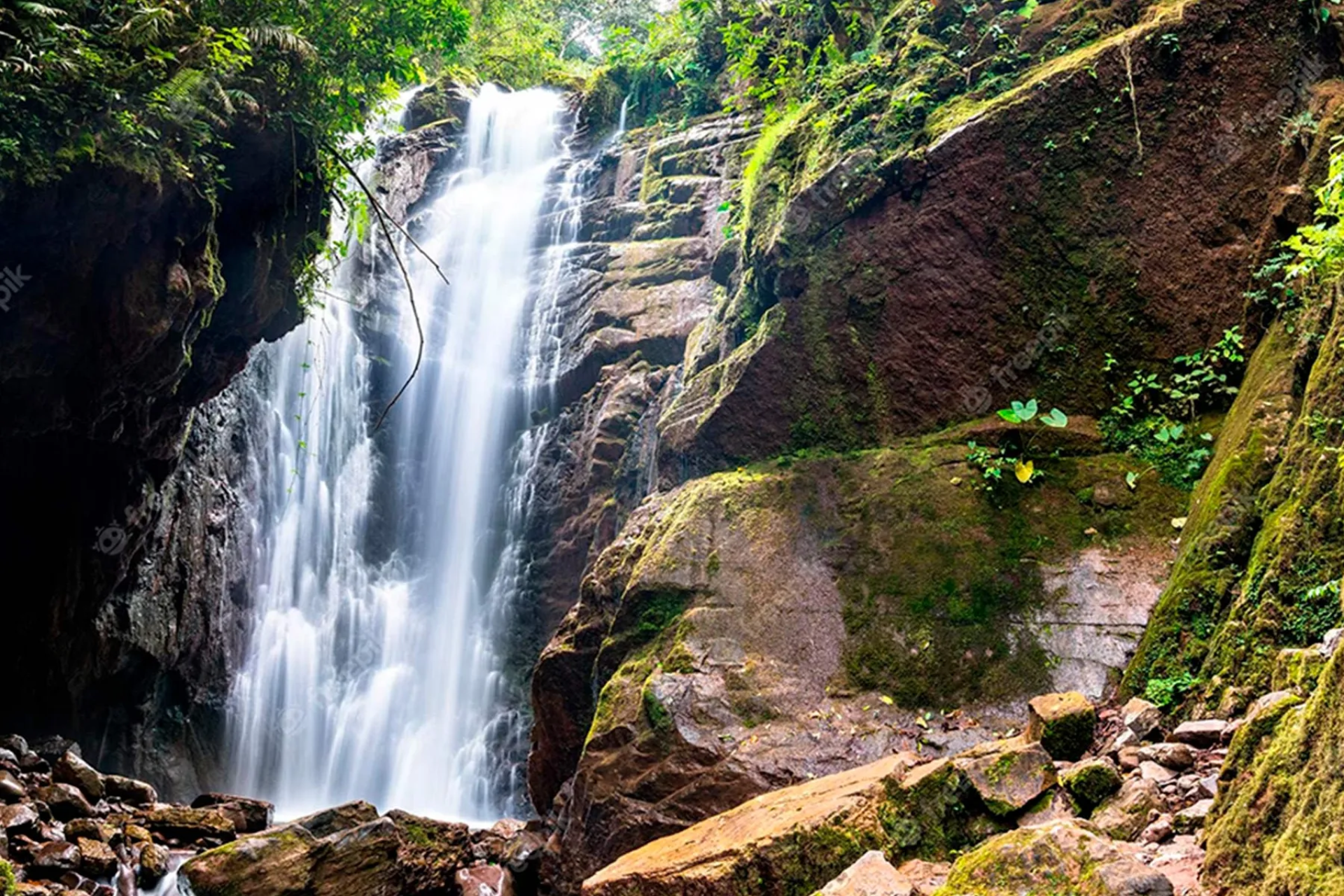
La Catarata Tigre es una cascada de singular belleza en Oxapampa, Perú, enclavada en la selva central. Rodeada de exuberante vegetación, invita a descubrir la fuerza de la naturaleza en un entorno de paz y biodiversidad.

✓ What guidebooks don't tell you
✓ Secrets other tourists miss
✓ Listen while you explore
Discover everything
00:00
00:00

📖 Audio Guide Chapters

6 chapters

1. Welcome to Tiger Waterfall

🔒 Premium Content

Subscribe to access all chapters of this audio guide.

2. The Natural Architecture of Tiger Waterfall

🔒 Premium Content

Subscribe to access all chapters of this audio guide.

3. History and Figures of Tiger Waterfall

🔒 Premium Content

Subscribe to access all chapters of this audio guide.

4. Details and Standout Features of Tiger Waterfall

🔒 Premium Content

Subscribe to access all chapters of this audio guide.

5. Secrets and Curiosities

🔒 Premium Content

Subscribe to access all chapters of this audio guide.

6. Farewell and Recommendations

🔒 Premium Content

Subscribe to access all chapters of this audio guide.

❓ Frequently Asked Questions

What are the opening hours and the best way to get to the waterfall?

Access is usually open from 8:00 a.m. to 5:00 p.m., ideal for making the most of the natural light on the trail. To get there, head to the Miraflores area (about 15 minutes by car from Oxapampa Main Square) and then begin a walk of approximately 45 minutes to the waterfall. You can find the exact route here: View location on Google Maps.

How much is the admission fee to enter Tiger Waterfall?

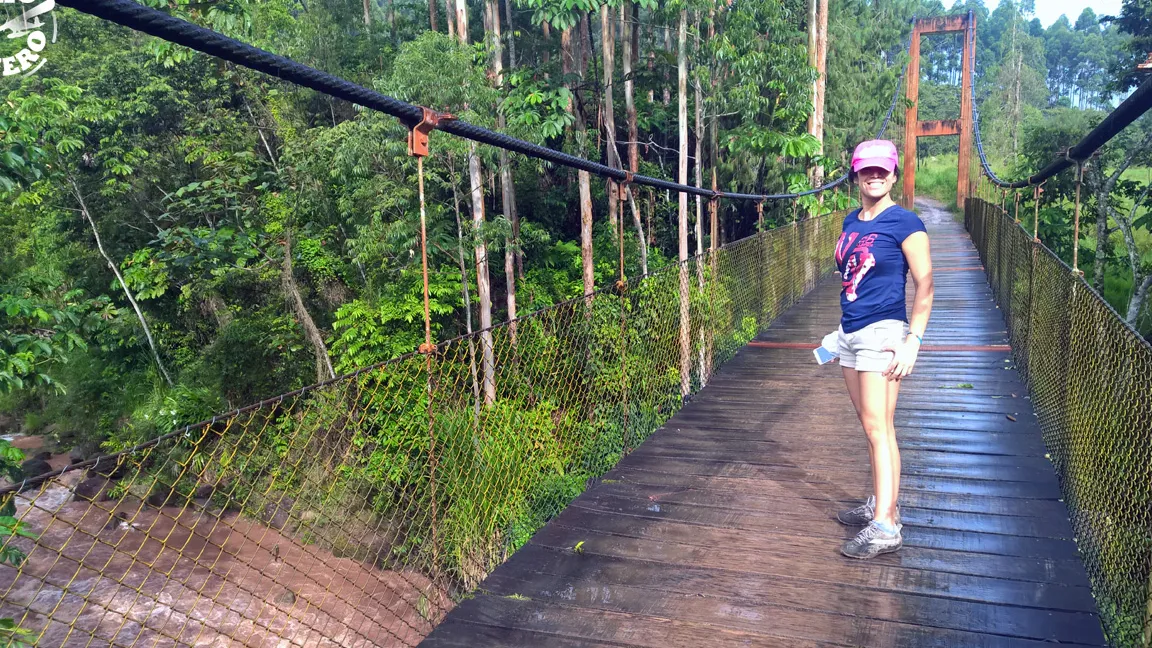
Admission has a modest fee that helps maintain the trails and handmade bridges, generally around 5 soles per person (prices may vary slightly by season). It is essential to bring cash in coins and small bills, as there is no card payment system at the entrance.

How much time should I set aside to enjoy this visit at a relaxed pace?

We recommend setting aside about 3 hours for the full experience. This includes the 45-minute walk there, enough time to cool off, take amazing photos of the waterfall, and rest, plus the return trip at an easy pace.

Why is it called 'The Tiger'? Does it have a special history?

The name comes from local stories and old sightings of the jaguar, known locally as 'tiger,' which used to drink water in this area of the Oxapampa-Asháninka-Yánesha Biosphere Reserve. It is a place of great natural importance that highlights the biodiversity of the Peruvian cloud forest.

What is the best time of year or time of day to go?

The best time is during the dry season, between April and November, to avoid the trail becoming too muddy. We suggest going early in the morning, around 9:00 a.m., to enjoy the sunlight on the cold water and avoid sudden afternoon rain.

Is access easy for people with reduced mobility or wheelchairs?

To be completely honest, it is not accessible for wheelchairs and is not recommended for people with severe mobility limitations. The route is a moderate trekking adventure that includes dirt trails, slopes, and wooden bridges that require some physical effort.

What other interesting places can I visit nearby after the waterfall?

Since it is close to the Oxapampa circuit, you can also visit the famous countryside retreat El Wharapo to try sugarcane juice, or explore Tunqui Cave, which is on the same tourist route toward Chontabamba.

What should I definitely bring so I do not run into trouble during the hike?

It is vital to bring trekking shoes with good grip, as the ground can be slippery, insect repellent, sunscreen, and drinking water. If you plan to get into the water, bring swimwear and a towel, but be prepared because the water temperature is quite cool and refreshing.

¿Prefieres escuchar en español?

🇪🇸 Escucha la audioguía de Tiger Waterfall en español