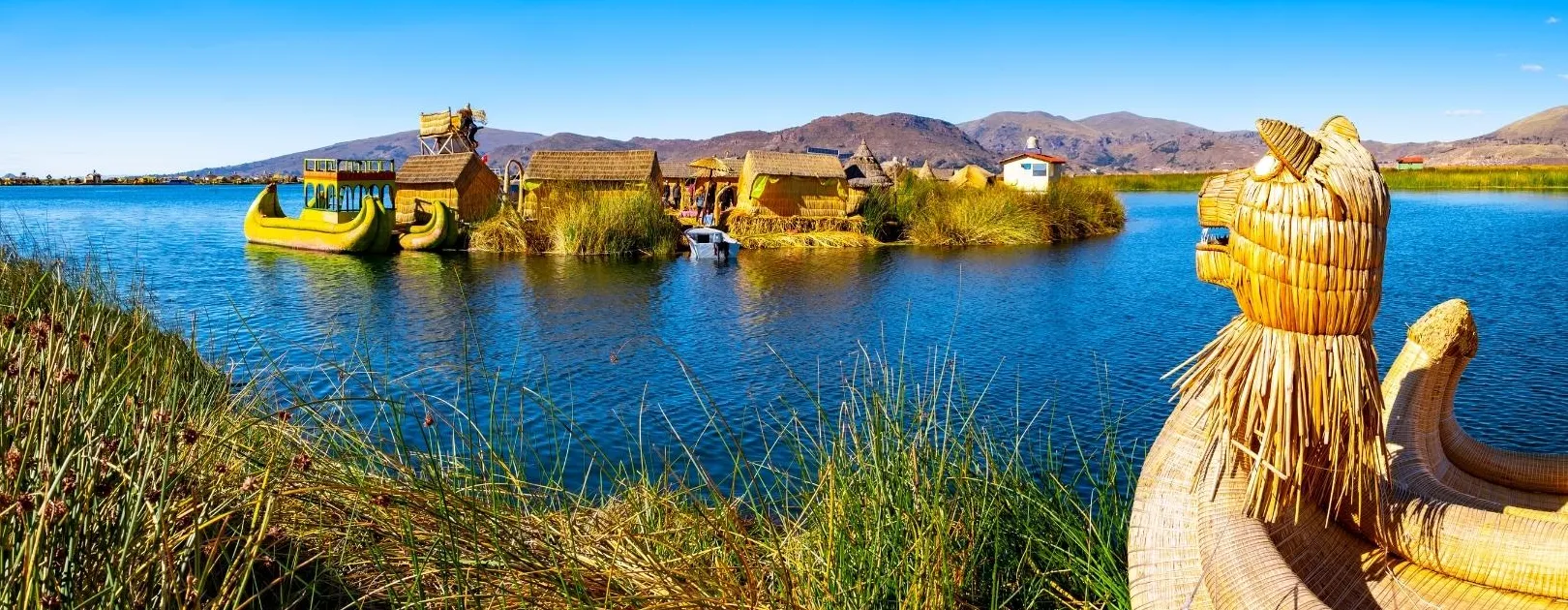
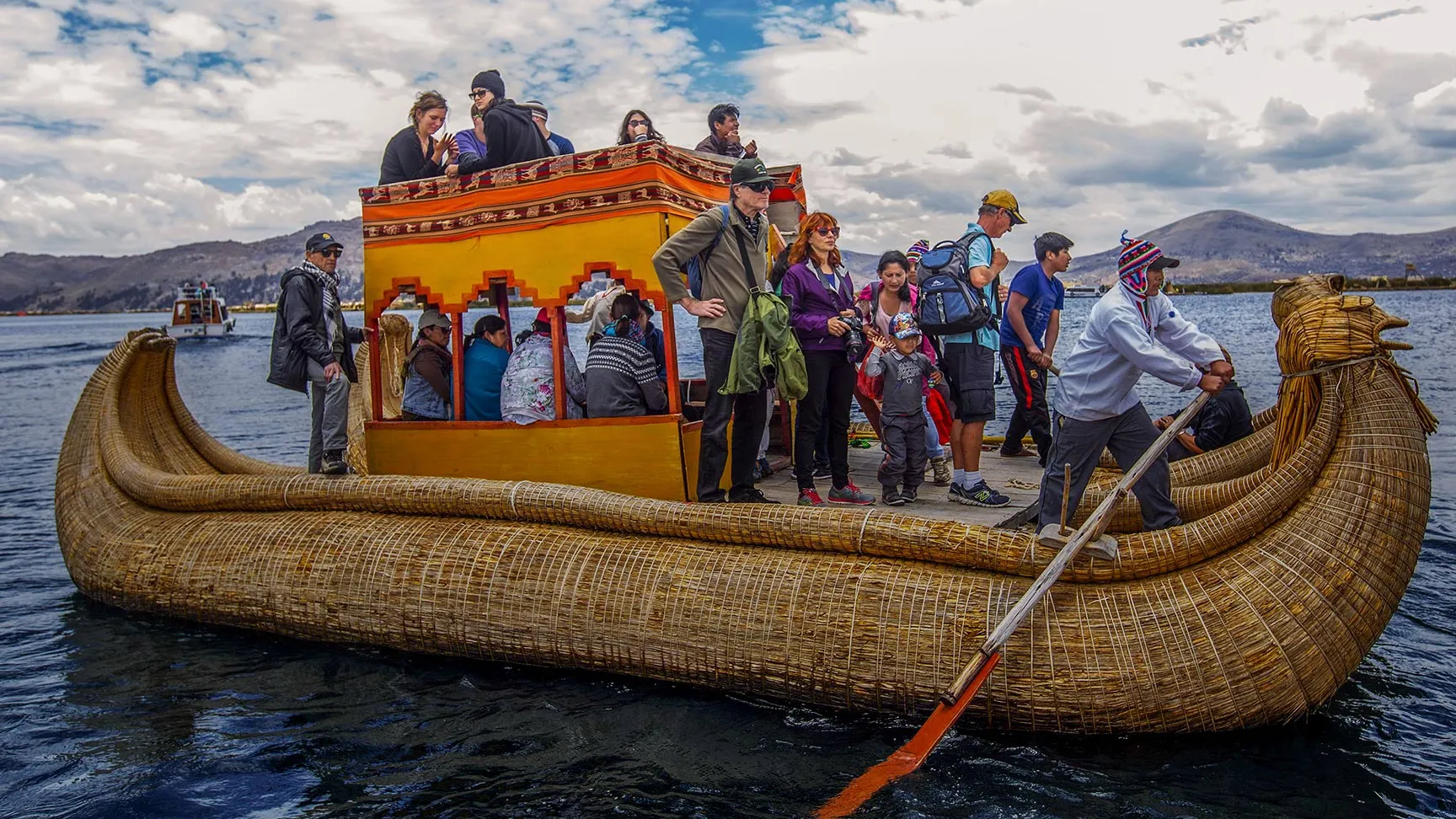
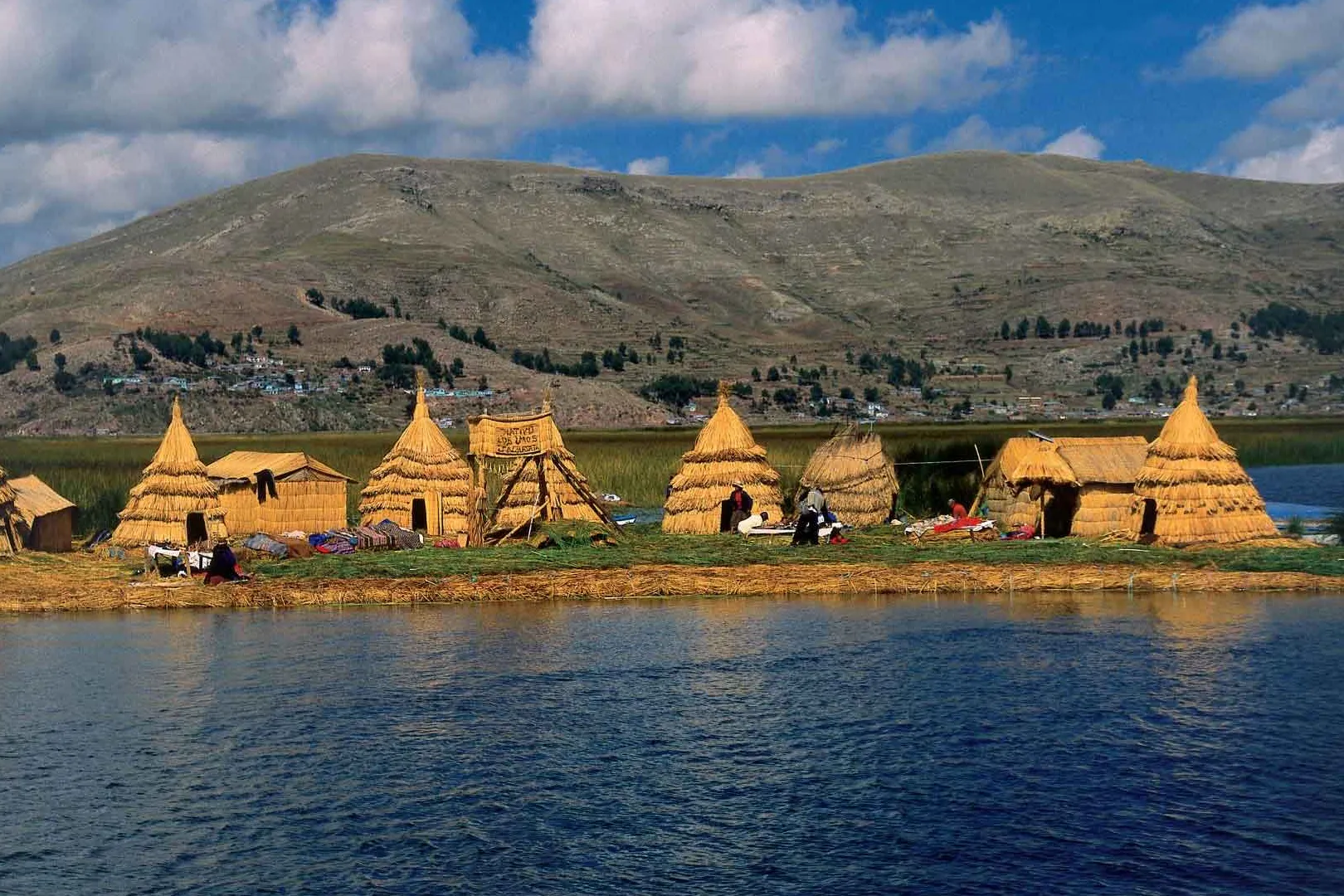
El lago navegable más alto del mundo, situado a 3.812 metros sobre el nivel del mar entre Perú y Bolivia, es cuna de antiguas civilizaciones y hogar de islas flotantes únicas.
Lake Titicaca is open 24/7, and you can access it at any time. To get to Juli from Puno, the main city, you can take a bus or a shared minibus from the bus terminal. The journey usually takes around 2 to 3 hours and will leave you near the lakeshore in Juli. We recommend checking local transport schedules at the stations.
Access to Lake Titicaca itself is completely free, as it is an open natural resource. However, if you want to do activities such as boat rides to the Uros floating islands, Taquile, or Amantani, guided excursions, or visit some of the colonial churches in Juli, these activities do have an associated cost. We suggest asking about local tour prices when you arrive in Juli.
For a complete and rewarding visit, I would recommend spending at least a full day if you stay in Juli. This will allow you to explore the town, enjoy the lake views, and, if you wish, take a boat tour to a nearby island. If you are only looking for a quick look, half a day could be enough, but you would miss a large part of the experience.
Lake Titicaca is considered the cradle of the Inca civilization and a sacred place for Andean peoples, especially the Aymara and Quechua communities. According to legend, Viracocha and the first Incas, Manco Cápac and Mama Ocllo, emerged from its waters. It is the highest navigable lake in the world, and its importance extends to fishing, transport, and the worldview of local cultures, which consider it a living being. Juli, in particular, has a rich colonial history with impressive churches.
The best time to visit Lake Titicaca is during the dry season, from May to October, when there are more sunny days and less chance of rain. Early mornings and afternoons, especially at sunset, offer the most spectacular views of the lake and its surroundings, with vibrant colors and clear skies. I recommend heading out early to enjoy the tranquility and perfect light.
Access to the edge of Lake Titicaca in Juli and some walking areas can be relatively flat. However, many boats and the Uros floating islands, as well as some streets in town and the interiors of the colonial churches, may have steps, uneven terrain, or poor ramps, which could make access difficult for people with reduced mobility. I recommend asking local tour operators about accessible options and requesting assistance if needed.
In addition to enjoying Lake Titicaca, in Juli itself you can explore its impressive colonial churches, such as Saint Peter Church, Holy Cross Church, and the Church of the Assumption, considered architectural jewels of the Altiplano. You can also visit the Aymara Culture Museum. From Juli, it is also possible to arrange tours to the lake’s most famous islands, such as the Uros Islands, Taquile Island, and Amantani Island, if you have more time.
Absolutely! First, remember that Juli is at a considerable altitude (almost 3,900 meters above sea level), so take your time to acclimatize, stay well hydrated, and avoid excessive exertion during the first few days. Bring warm layered clothing, even in the dry season, as temperatures can vary drastically. Do not forget sunscreen, a hat, and sunglasses because of the intense radiation. Finally, respect the customs and traditions of local communities, and consider supporting their economy by buying handicrafts or local products. Enjoy the magic of Titicaca!
¿Prefieres escuchar en español?
🇪🇸 Escucha la audioguía de Lake Titicaca en español