No te vayas sin conocer la historia Suscribete
IAudioGuia iaudioguia
Audio Guides of Paracas

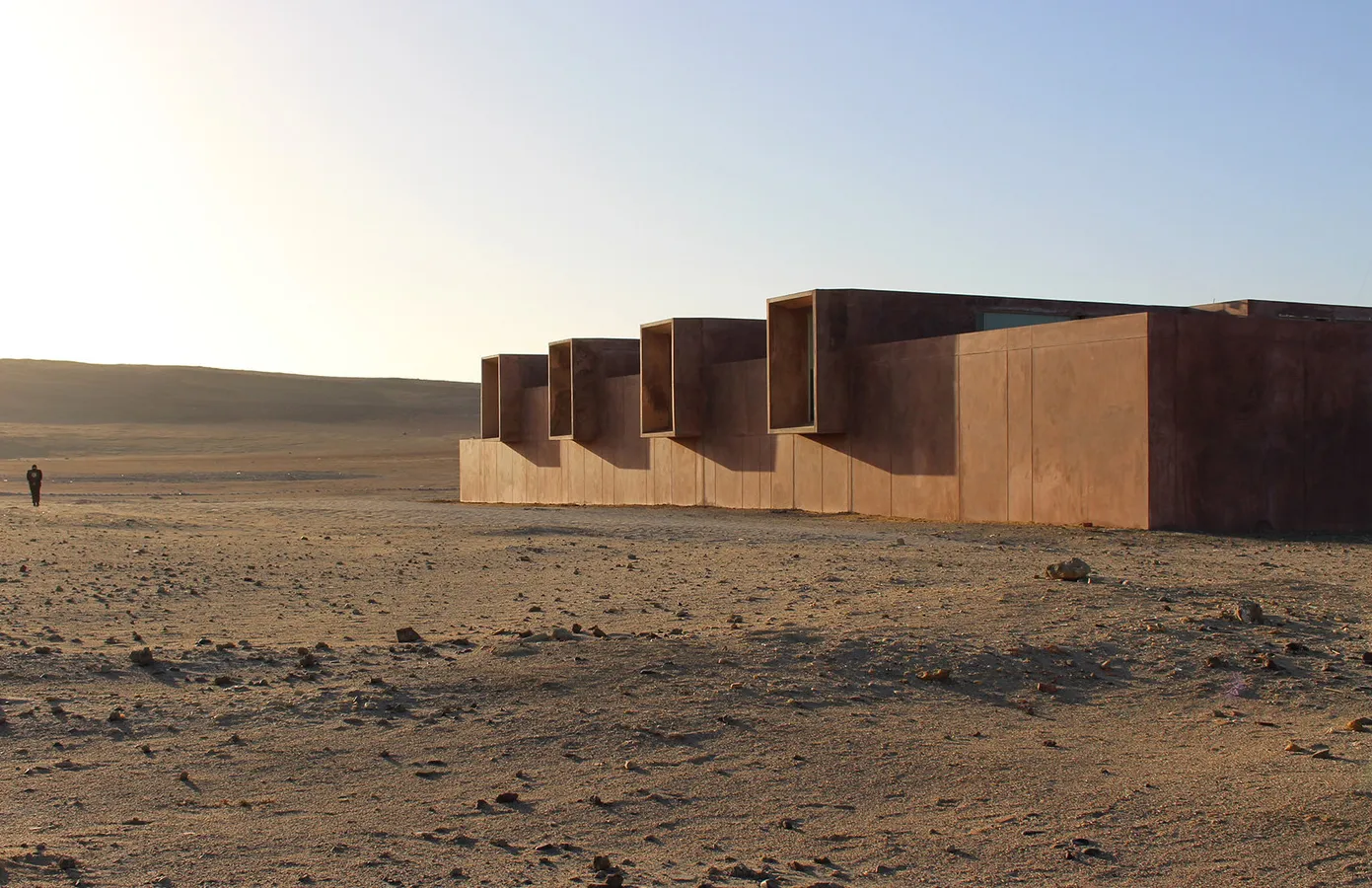
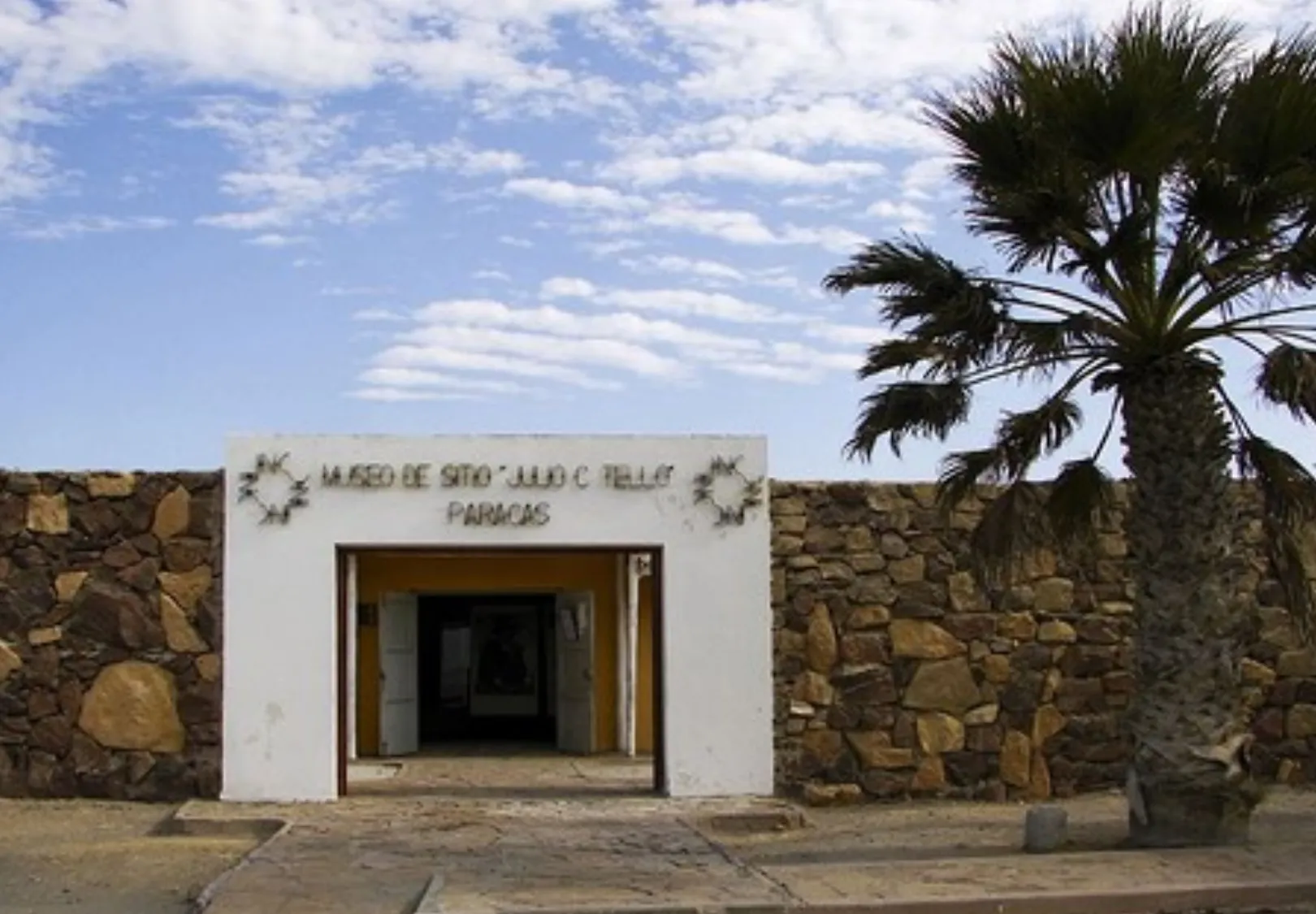
Audio Guide of the Julio C. Tello Site Museum

¿Sabías que un médico quechua descubrió aquí cientos de momias con peinados perfectos y cirugías cerebrales exitosas hace 2.000 años?

✓ What guidebooks don't tell you
✓ Secrets other tourists miss
✓ Listen while you explore
Discover everything
00:00
00:00

📖 Audio Guide Chapters

6 chapters

1. The doctor who challenged the mummies

🔒 Premium Content

Subscribe to access all chapters of this audio guide.

2. Stones that keep funerary whispers

🔒 Premium Content

Subscribe to access all chapters of this audio guide.

3. Tello against the world: hatred and glory

🔒 Premium Content

Subscribe to access all chapters of this audio guide.

4. Trepanations and wild textiles

🔒 Premium Content

Subscribe to access all chapters of this audio guide.

5. Skulls that wink when you are not looking

🔒 Premium Content

Subscribe to access all chapters of this audio guide.

6. The echo you take home

🔒 Premium Content

Subscribe to access all chapters of this audio guide.

❓ Frequently Asked Questions

What time does the Julio C. Tello Site Museum open, and how do I get there?

The Julio C. Tello Site Museum is open Tuesday to Sunday from 9:00 a.m. to 5:00 p.m. To get there, you can take a taxi or shared minibus from Paracas or Pisco. It is located within the Paracas National Reserve, so it is important to arrange transportation in advance. Its address is Kilometer 27 on the road to Paracas.

Is there an admission fee for the museum? Are there any discounts?

Yes, there is an admission fee for the museum. For adults, the price is S/ 7.00. There are discounts for students with ID (S/ 2.00) and schoolchildren (S/ 0.50). It is recommended to bring cash, as cards are not always accepted.

How much time is recommended for the visit to fully appreciate the museum?

For a complete and rewarding visit, we recommend spending at least 1.5 to 2 hours. This will allow you to explore all the rooms, read the information, and appreciate the archaeological pieces at a relaxed pace, without rushing.

What makes this museum so special? Why is it called that?

This museum is essential because it displays archaeological finds from the Paracas culture, one of the most important pre-Inca civilizations, renowned for its textiles and mummies. It is named after Julio C. Tello, considered the father of Peruvian archaeology, who made major discoveries in the area and revealed the greatness of this culture.

What is the best time of year and time of day to visit the museum and the Paracas area?

The best time to visit Paracas and the museum is during the dry season, from April to November, when the weather is sunny and pleasant. If you can choose, I suggest going to the museum first thing in the morning (9:00 a.m.) to avoid the busiest hours and enjoy the peaceful atmosphere.

Is the museum accessible for people using wheelchairs or with reduced mobility?

Yes, the Julio C. Tello Site Museum was designed with universal accessibility in mind. It has ramps and wide spaces that make the visit easier for people using wheelchairs or with reduced mobility, allowing everyone to enjoy the experience.

What other places of interest are near the museum to visit on the same day?

The museum is located within the Paracas National Reserve, so you can complement your visit by exploring the reserve, with its stunning beaches such as La Mina and Lagunillas, and the famous "Paracas Candelabra". Also, from the Paracas pier, tours depart to the Ballestas Islands to see marine wildlife.

Any practical tips to make the most of my visit to the Julio C. Tello Site Museum?

Of course! Bring sunscreen and water, since you will be in a desert area. Consider hiring a local guide in Paracas to give you the full context of the Paracas culture and its discoveries. And do not forget your camera — the views and the museum are very photogenic!

¿Prefieres escuchar en español?

🇪🇸 Escucha la audioguía de the Julio C. Tello Site Museum en español